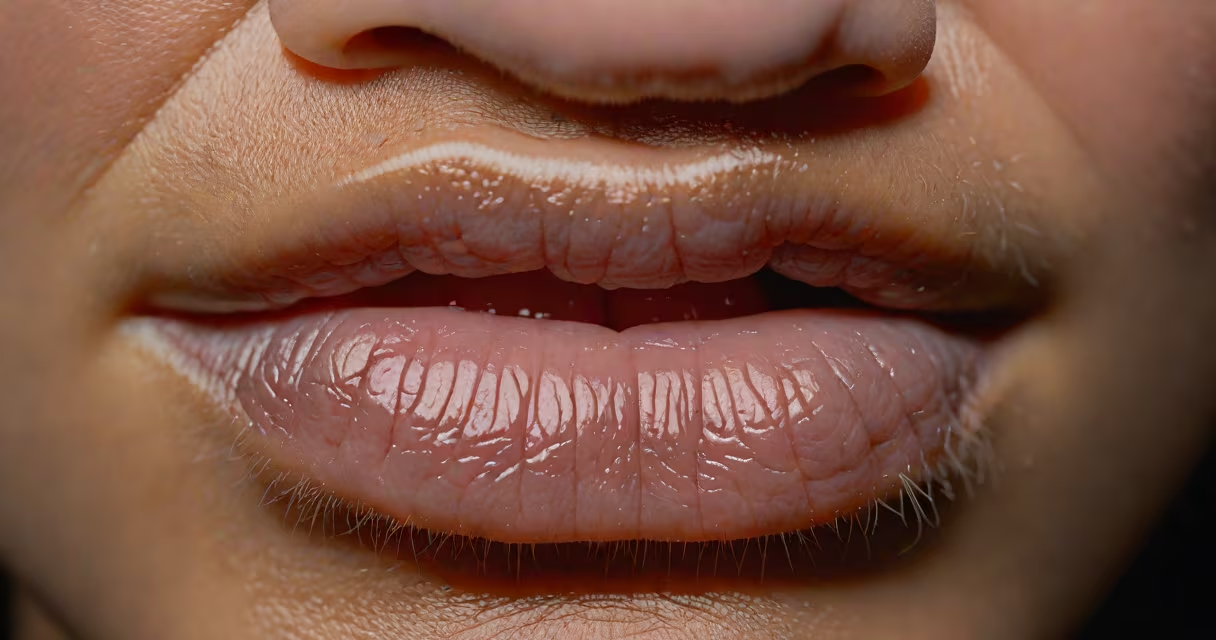
Extreme dehydration occurs when the body loses more fluid than it takes in, leading to dangerous imbalances in electrolytes and reduced blood volume. Symptoms include intense thirst, dry mouth, dizziness, confusion, rapid breathing, and weak pulse. Without treatment, it can cause kidney failure, seizures, or death.
Dehydration begins when fluid loss exceeds intake. The body maintains balance through hormones like antidiuretic hormone (ADH), which reduces urine output during low fluid states. When water loss reaches 10% of body weight, cognitive function declines sharply. At 15%, life-threatening complications emerge.
Common early signs include fatigue, headache, and dry skin. As severity increases, the body shifts from compensatory mechanisms to failure modes. Blood pressure drops due to reduced plasma volume, causing lightheadedness upon standing. Heart rate increases to maintain circulation. These changes occur rapidly-within hours under heat stress or illness.
The brain relies on stable fluid levels to regulate mood, focus, and coordination. During extreme dehydration, cerebral blood flow decreases by up to 20%. This triggers mental fog, difficulty concentrating, and irritability. Studies show that even mild dehydration impairs reaction time and short-term memory, with effects worsening as fluid deficit grows.
Electrolyte imbalance follows. Sodium and potassium levels drop, disrupting nerve and muscle signaling. Cramps, weakness, and irregular heartbeats result. In one study published in Medicine & Science in Sports & Exercise, athletes who lost 2% of body weight through sweat showed measurable declines in endurance and decision-making speed.
Urinary output diminishes. Urine becomes dark amber or even brown. The kidneys reduce filtration to conserve water, increasing risk of acute tubular necrosis. Once urine stops entirely, organ damage accelerates. Hospitalization becomes necessary to restore fluid balance safely.
Visible indicators include sunken eyes, cold extremities, and pale or clammy skin. Lips crack and bleed. Tongue appears thick and coated. These signs appear within 6-12 hours of fluid loss exceeding 5% of body weight.
Mental symptoms progress from mild confusion to delirium. A person may speak incoherently, forget recent events, or fail to recognize familiar people. In elderly patients, confusion is often the first sign of dehydration, not thirst. This misleads caregivers into delaying treatment.
One documented case involved a 72-year-old man admitted to the ER after collapsing at home. He had not consumed fluids for 48 hours due to nausea and vomiting. His blood sodium was 160 mmol/L (normal: 135-145), indicating severe hypernatremia. He required IV saline infusion over 24 hours to stabilize. His recovery took five days.
| Symptom | Threshold | Medical Significance |
|---|---|---|
| Dry mouth | Loss of 2-3% body weight | Early indicator; often overlooked |
| Confusion | Loss of 5% body weight | Neurological compromise; requires evaluation |
| Rapid, shallow breathing | Loss of 7-10% | Sign of metabolic acidosis; urgent care needed |
| Unconsciousness | Loss of 15%+ | Life-threatening; immediate IV therapy required |
Many assume thirst equals hydration. But by the time thirst develops, the body is already dehydrated. Thirst is a late-stage signal. A 2021 review in Frontiers in Nutrition found that older adults often don't feel thirsty despite significant fluid deficits-making them vulnerable to silent dehydration.
Some confuse dehydration with hunger. Both can trigger headaches and fatigue. However, dehydration causes dry mouth and decreased urination-hunger does not. Eating food doesn't correct fluid imbalance. In fact, high-protein meals increase water demand, worsening the condition.
Another error is relying solely on water intake. Replacing lost fluids requires electrolytes. Drinking only water during prolonged exertion can cause hyponatremia-a dangerous drop in sodium levels. Sports drinks or oral rehydration solutions are better for sustained fluid replacement.
In July 2022, a 34-year-old woman hiked the Pacific Crest Trail in California. She began the day with 1 liter of water, expecting to refill at a stream. After six miles, she reached a dry stretch. By noon, her water was gone. She ignored growing fatigue and dizziness.
By 3 PM, she experienced blurred vision, slurred speech, and leg cramps. Her pulse rose to 130 beats per minute. She collapsed near a trail marker. Rescuers found her with a core temperature of 38.5°C (101.3°F), dry mucous membranes, and a blood glucose level of 4.2 mmol/L-indicating both dehydration and hypoglycemia.
She was airlifted to a hospital. Blood tests revealed sodium at 158 mmol/L and creatinine at 180 μmol/L-signs of renal strain. She received 1.5 liters of IV saline over four hours. Full recovery took seven days. Her story illustrates how quickly dehydration escalates without visible cues.
Seek emergency care if you or someone else shows:
For mild cases, oral rehydration with balanced electrolyte solutions is effective. Avoid caffeine and alcohol-they worsen fluid loss. Sip small amounts frequently rather than drinking large volumes at once.
I once treated a patient with chronic diarrhea who denied dehydration until he became unresponsive. He had lost 11% of his body weight. After IV fluids, he regained orientation within 90 minutes. That moment confirmed: dehydration isn't just about thirst-it's about survival.
Recognizing the signs of extreme dehydration saves lives. Early intervention prevents hospitalization. If you feel dizzy, weak, or mentally foggy, especially in heat or after illness, drink fluids immediately. Monitor urine color-pale yellow means adequate hydration; dark yellow signals need for rehydration.