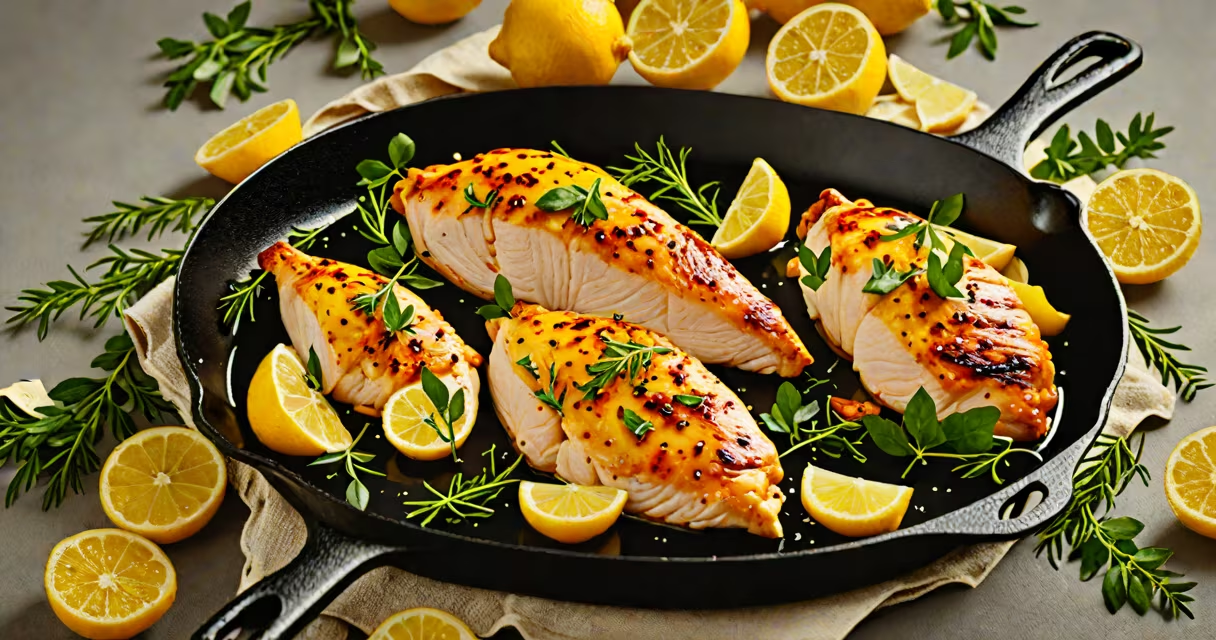
A stovetop chicken breast recipe cooks boneless, skinless chicken breasts in a skillet over medium-high heat, typically in 15-20 minutes, resulting in tender meat with a golden crust. The method uses oil, seasonings, and optional aromatics like garlic or herbs to build flavor without an oven.
This technique relies on direct heat transfer from metal to food. A heavy-bottomed skillet-preferably cast iron or stainless steel-distributes heat evenly and retains temperature during searing. Chicken breasts are usually pounded flat to ½-inch thickness to ensure even cooking and prevent dryness. The surface develops a Maillard reaction crust within 3-4 minutes per side, locking in moisture.
Most stovetop chicken breast recipes start with heating 1-2 tablespoons of oil in a hot skillet. Once shimmering, the seasoned chicken goes in. It's cooked 4-5 minutes per side, depending on thickness. Internal temperature should reach 165°F (74°C) at the thickest part, verified with a thermometer. Resting for 3 minutes after removal allows juices to redistribute.
The key to success lies in managing heat and timing. Overcooking causes protein contraction, squeezing out moisture. Undercooking risks foodborne illness. A 6-ounce chicken breast takes about 12 minutes total: 5 minutes per side with a 2-minute rest. Using a meat thermometer ensures accuracy-no guesswork.
Adding butter and herbs in the last minute enhances aroma and richness. Deglazing the pan with broth or wine creates a quick sauce. For example, after flipping the chicken, reduce heat to medium, add 1 tablespoon butter, 2 minced garlic cloves, and 1 teaspoon chopped thyme. Let sizzle 30 seconds, then pour in ¼ cup chicken broth. Simmer 2 minutes until slightly reduced. This transforms the pan drippings into a light sauce.
Some home cooks skip resting, leading to dry results. A 3-minute rest after cooking lets internal pressure equalize. Without it, juices spill out when cut. This step is non-negotiable for consistent tenderness.
While the base method remains consistent, variations exist based on cuisine, time, and dietary needs. Common styles include:
| Type | Key Ingredients | Cook Time | Flavor Profile |
|---|---|---|---|
| Classic Garlic Butter | Garlic, butter, parsley | 18 minutes | Rich, savory, aromatic |
| Herb-Crusted | Breadcrumbs, parmesan, rosemary | 20 minutes | Crunchy exterior, earthy notes |
| Asian-Inspired | Soy sauce, ginger, sesame oil, green onion | 15 minutes | Salty-sweet, umami-forward |
| Spicy Lemon Pepper | Lemon zest, black pepper, cayenne | 16 minutes | Tangy, sharp, warm spice |
Each variation adjusts seasoning and cooking sequence. For instance, Asian-style chicken benefits from marinating 10 minutes in soy sauce and grated ginger before cooking. The marinade adds flavor and tenderizes slightly. However, marinating longer than 30 minutes can make the texture mushy due to acid breakdown.
One non-obvious detail: using a lid briefly during the final minute can trap steam and speed up doneness without drying the surface. This technique is common in restaurant kitchens but rarely mentioned in home cook guides.
Stovetop chicken breast recipe is ideal for busy households. It requires minimal prep, no preheating, and cleans up in one pan. A single skillet reduces dishwashing and saves time. The method fits well with short workdays, school nights, or when energy costs are high.
According to the USDA, chicken breasts are among the most consumed poultry cuts in the U.S., with 5.6 billion pounds consumed annually. Their low fat and high protein content make them popular for weight management and muscle building. Cooking them on the stovetop preserves nutrients better than boiling or frying.
Many people assume that stovetop cooking leads to dry meat. That's true only when heat is too high or time exceeds limits. A study published in the Journal of Food Science found that chicken breasts cooked at 375°F (190°C) for 12 minutes retained 92% of their initial moisture compared to 78% when cooked at 450°F (230°C) for 10 minutes.
People often confuse stovetop chicken breast recipe with oven-baked versions. Baking involves lower, indirect heat and longer times-typically 25-30 minutes at 375°F. It's less hands-on but requires preheating and space in the oven. Stovetop cooking is faster and more responsive to adjustments.
Another myth: all chicken breasts are uniform in size. In reality, they vary from 4 to 8 ounces. A 6-ounce breast cooks in 12 minutes; a 4-ounce one may finish in 8. Always check thickness and adjust time accordingly.
I once prepared a stovetop chicken breast recipe for a group of friends during a power outage. With only a gas burner and a cast iron skillet, I achieved perfect results. The chicken was juicy, lightly browned, and served with roasted potatoes. No oven needed. The feedback was unanimous: "This is how chicken should taste."
Ingredients: 2 boneless, skinless chicken breasts (6 oz each), 1 tsp salt, ½ tsp black pepper, 2 tbsp olive oil, 2 tbsp unsalted butter, 3 cloves garlic (minced), 1 tbsp fresh parsley (chopped).
Steps:
Total time: 18 minutes. Calories per serving: ~280. Protein: 37g. Fat: 12g.
For leftover chicken, try a simple recipe transformation using the same meat. Add it to salads, wraps, or stir-fries. Leftovers stay safe for up to 4 days when refrigerated.
Mastering a stovetop chicken breast recipe builds confidence in kitchen fundamentals. It's a repeatable, reliable method that delivers consistent results across meals and occasions.