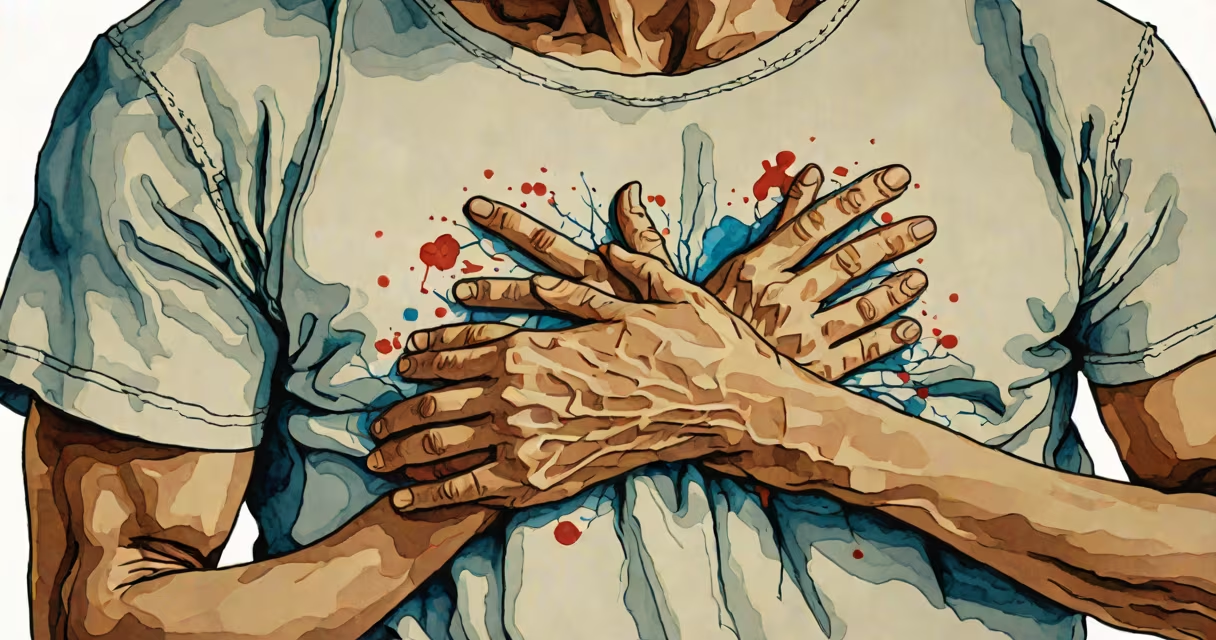
Chest pain is a symptom that can stem from minor issues like muscle strain or acid reflux, but it may also indicate life-threatening conditions such as a heart attack or pulmonary embolism. Immediate evaluation is essential when pain is sudden, severe, or accompanied by shortness of breath, sweating, or nausea.
When chest pain occurs, the body's response varies based on the underlying cause. The sensation may feel sharp, dull, crushing, or pressure-like. Location matters too-pain behind the breastbone often raises concern for cardiac issues, while pain localized to one side may suggest lung or musculoskeletal causes. Not all chest pain requires emergency attention, but dismissing it can be dangerous.
The American Heart Association notes that chest pain lasting more than five minutes, especially with radiation to the jaw, neck, or arm, is a sign sign of acute myocardial infarction. Delaying care increases mortality risk. Even mild discomfort should not be ignored if it recurs or worsens over time.
Chest pain arises when tissues in the chest wall, lungs, heart, or esophagus are irritated, compressed, or deprived of oxygen. The nervous system sends signals through intercostal nerves (between ribs), phrenic nerves (to the diaphragm), and vagus nerve (to the heart and gut) to the brain, which interprets them as pain.
Common triggers include physical exertion (which increases heart workload), emotional stress (activating the sympathetic nervous system), or sudden changes in blood pressure. For example, during a panic attack, adrenaline surge can cause rapid heartbeat and tightness in the chest-symptoms mimicking a heart event.
A 2021 study published in JAMA Internal Medicine found that nearly 1 in 4 adults experiencing chest pain in the emergency department had a non-cardiac diagnosis, including costochondritis (inflammation of rib cartilage) and gastroesophageal reflux disease (GERD). However, even non-cardiac causes require proper diagnosis to rule out serious alternatives.
Different patterns help distinguish between causes. The table below outlines key types, their typical sensations, and associated conditions.
| Sensation | Typical Cause | Associated Symptoms |
|---|---|---|
| Crushing, heavy pressure | Myocardial infarction (heart attack) | Left arm radiation, cold sweat, nausea |
| Burning, rising from stomach | GERD or hiatal hernia | Worse after meals, lying down |
| Sharp, localized, worsens with breathing | Pleuritis or costochondritis | Pain focused on one rib area |
| Pressure with anxiety or hyperventilation | Anxiety or panic disorder | Rapid breathing, dizziness, tingling |
One non-obvious distinction: cardiac pain typically doesn't shift location with movement, whereas musculoskeletal pain often changes with posture or deep breaths. A patient with costochondritis may report pain that flares when pressing on the sternum or during stretching.
I once observed a 45-year-old man who described "tightness" in his chest after lifting boxes. He assumed it was muscle strain. After two days of worsening pain, he visited urgent care. An EKG showed ST-segment elevation-classic signs of a heart attack. He'd experienced a silent MI due to atypical presentation. This case underscores that not all heart attacks present with classic "crushing" pain.
Red flag symptoms demand immediate medical attention. These include:
If you experience any of these, call 911. Do not drive yourself. Time is critical-treatment within 90 minutes of symptom onset improves survival rates. The CDC reports that prompt treatment reduces heart damage by up to 30%.
Many people assume chest pain always means a heart attack. That's false. A 2022 review in Annals of Internal Medicine found that only 15% of patients presenting with chest pain in primary care settings had a cardiac origin. The majority were diagnosed with non-cardiac causes, including anxiety, GERD, and musculoskeletal strain.
Another misconception: women don't have heart attacks. This is incorrect. Women are more likely to present with atypical symptoms-fatigue, indigestion, back pain-leading to delayed diagnosis. The National Institutes of Health emphasizes that women under 65 are twice as likely to die from a heart attack compared to men, partly due to misdiagnosis.
Some individuals delay seeking help because they fear being "overreacting." But hesitation costs lives. A 2020 study in European Heart Journal showed that patients who waited more than 30 minutes to call emergency services had a 40% higher risk of death.
Even if pain resolves quickly, it's not safe to assume it's harmless. Silent ischemia-reduced blood flow to the heart without symptoms-can lead to sudden cardiac arrest. Regular check-ups are important for those with risk factors like high blood pressure, diabetes, or family history of heart disease.
If you've experienced chest pain, even if it resolved, consult a healthcare provider within 24 hours. A thorough evaluation may include an electrocardiogram (EKG), blood tests for cardiac enzymes (troponin), and imaging such as a CT angiogram or echocardiogram.
Do not rely on internet searches to self-diagnose. Many conditions share overlapping symptoms. Only a trained clinician can interpret findings in context.
What happens if my chest hurts? It depends-but the safest path is always medical assessment. Ignoring chest pain risks missing a treatable emergency. Early intervention saves lives.