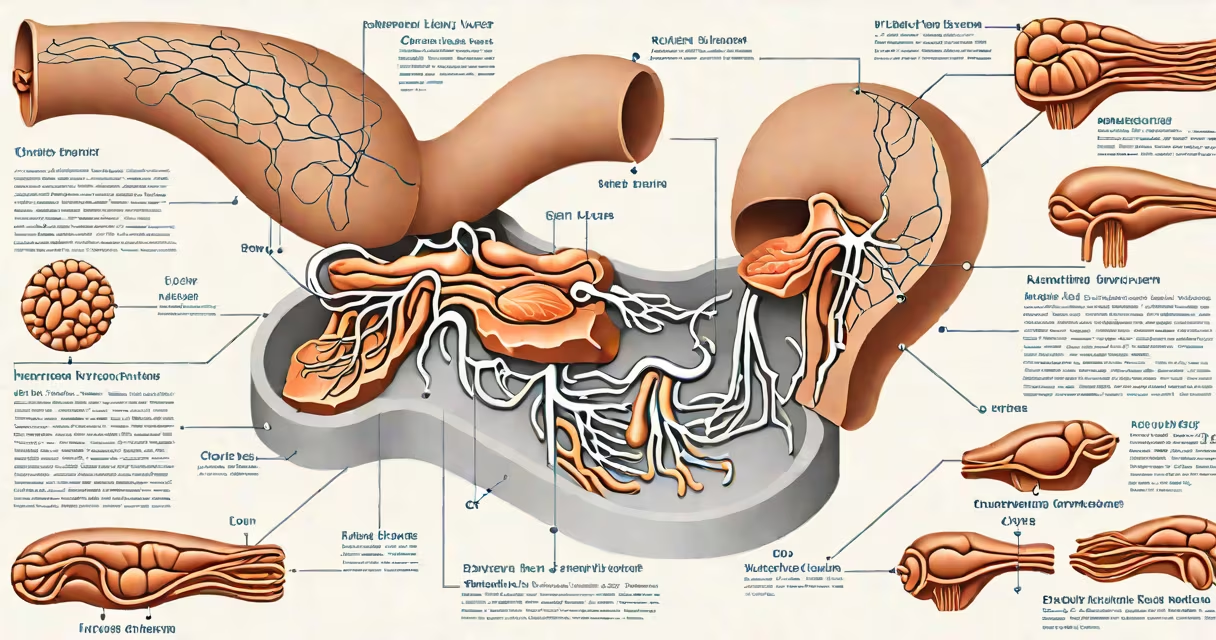
Fatty liver occurs when excess fat accumulates in liver cells, often without early symptoms. As it progresses, it may cause fatigue, discomfort in the upper right abdomen, and signs of liver dysfunction such as jaundice or swelling. Left untreated, it increases risk for cirrhosis and liver failure.
Fatty liver develops when triglycerides build up in hepatocytes beyond 5% of liver weight. The condition exists in two forms: alcoholic fatty liver disease (AFLD), caused by heavy alcohol use, and non-alcoholic fatty liver disease (NAFLD), linked to insulin resistance, obesity, and metabolic syndrome. NAFLD affects approximately 25% of adults globally, according to the American Gastroenterological Association.
Early stages often show no noticeable side effects. Symptoms typically emerge only when inflammation or fibrosis begins. The absence of early warning signs makes routine screening essential for people with risk factors like type 2 diabetes, high blood pressure, or BMI above 25.
When fat accumulates in liver cells, it disrupts normal function. The liver struggles to process toxins, produce proteins, and regulate glucose. Over time, fat buildup triggers immune responses that lead to inflammation-called steatohepatitis-and eventually scar tissue formation (fibrosis).
As liver function declines, waste products like bilirubin accumulate. This causes jaundice-yellowing of the skin and eyes. Impaired protein synthesis reduces albumin levels, leading to fluid retention in the legs and abdomen. These changes explain why advanced fatty liver manifests with visible physical symptoms.
A 2022 study in Gastroenterology found that patients with NAFLD had a 40% higher risk of developing cardiovascular events compared to those without liver fat accumulation. This links fatty liver not just to liver-specific issues, but to systemic health decline.
Most individuals with fatty liver report no symptoms. When they do appear, they're usually mild and nonspecific. Fatigue, bloating, and dull pain under the right rib cage are frequent complaints. These signs often go unnoticed or are attributed to stress or poor diet.
More serious indicators include:
These signs suggest progression to non-alcoholic steatohepatitis (NASH) or early cirrhosis. A liver biopsy remains the gold standard for confirming inflammation and fibrosis, though ultrasound elastography and FibroScan are increasingly used for non-invasive assessment.
The two primary categories differ in cause and progression, which influences symptom development.
| Type | Primary Cause | Typical Side Effects | Progression Risk |
|---|---|---|---|
| Non-alcoholic fatty liver disease (NAFLD) | Obesity, insulin resistance, metabolic syndrome | Fatigue, mild abdominal discomfort; rarely jaundice unless advanced | ~20% progress to NASH; ~10% develop cirrhosis over 10 years |
| Alcoholic fatty liver disease (AFLD) | Chronic heavy alcohol consumption (>3 drinks/day) | Nausea, vomiting, fever, rapid onset of jaundice | Reversible with abstinence; 10-20% progress to cirrhosis |
NAFLD is more common and often silent. AFLD tends to present with acute symptoms due to direct alcohol toxicity. Both types share similar long-term outcomes if unchecked.
Fatty liver is frequently mistaken for hepatitis or cirrhosis. However, fatty liver itself is not inflammatory-unless it advances to NASH. Many assume that elevated liver enzymes always indicate severe damage, but mild elevations are common in early NAFLD and may normalize with lifestyle changes.
A key distinction: fatty liver does not cause pain in most cases. When pain occurs, it's typically due to stretching of the liver capsule from enlargement-not from cellular destruction. This differentiates it from conditions like gallstones or pancreatitis, which cause sharp, localized pain.
Another misconception is that fatty liver only affects overweight people. While obesity is a major risk factor, lean individuals with insulin resistance or genetic predispositions can develop NAFLD. A 2021 study in Journal of Hepatology showed that 15% of NAFLD cases occurred in people with normal BMI.
In 2020, a 47-year-old man with type 2 diabetes and a BMI of 31 underwent a routine ultrasound for unrelated back pain. The scan revealed diffuse increased echogenicity-indicating fatty infiltration. He reported no fatigue, no abdominal pain, and normal lab results except for mildly elevated ALT (62 U/L).
He was diagnosed with NAFLD. After six months of diet and exercise, his ALT dropped to 38 U/L, and a follow-up ultrasound showed reduced fat deposition. His case illustrates how fatty liver can exist silently for years, progressing without symptoms until significant damage occurs.
Screening is recommended for anyone with risk factors: type 2 diabetes, prediabetes, high cholesterol, or family history of liver disease. The American Association for the Study of Liver Diseases advises testing with liver enzyme panels (ALT, AST, GGT) and imaging if abnormalities persist.
If side effects emerge-especially jaundice, unexplained weight loss, or persistent nausea-evaluation for advanced disease is urgent. Delayed diagnosis increases the chance of irreversible scarring.
People with confirmed fatty liver should monitor for signs of worsening. Early intervention through weight loss (5-10% of body weight), improved diet, and regular activity can reverse early-stage disease. Medications like vitamin E or pioglitazone are reserved for advanced cases and require specialist guidance.
Recognizing the side effects of fatty liver is critical because many people remain unaware until complications arise. The absence of symptoms does not mean safety. Regular checkups and proactive management reduce long-term risks.
Understanding what are side effects of fatty liver helps identify when medical attention is necessary. Early detection prevents progression to cirrhosis, liver cancer, or transplant need. Awareness and timely action save lives.