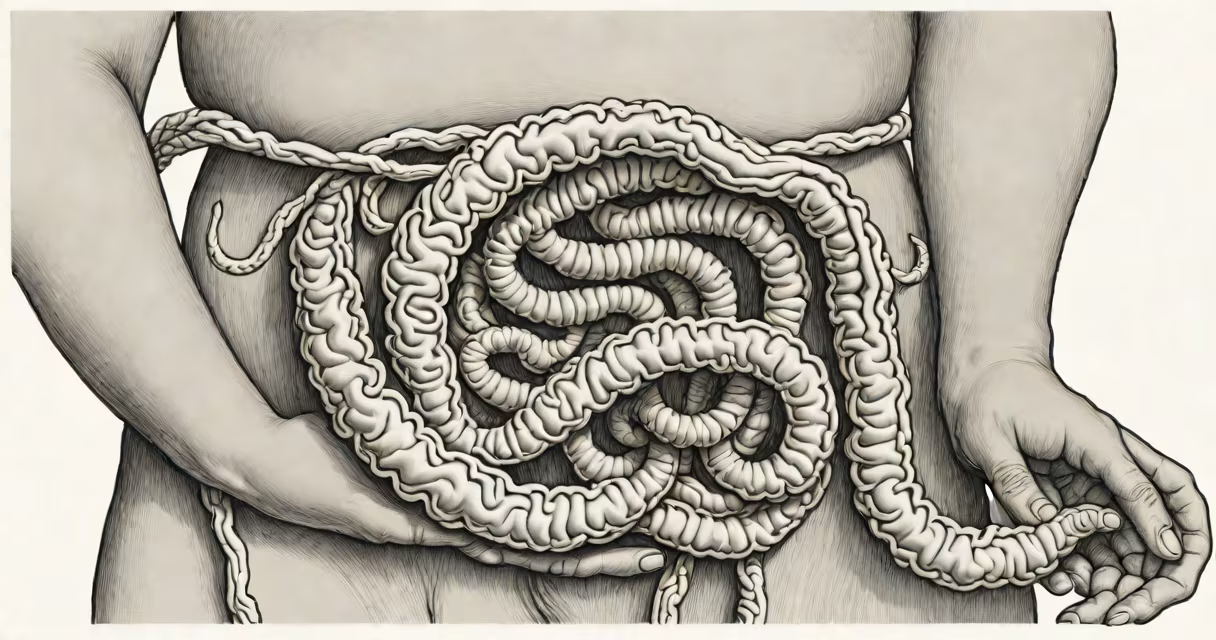
A bowel obstruction occurs when something blocks the passage of food, fluids, or gas through the small or large intestine. This blockage prevents normal digestion and can lead to life-threatening complications if untreated. The condition may develop suddenly or gradually, depending on the cause.
Bowel obstructions disrupt the movement of contents through the gastrointestinal tract. As pressure builds upstream of the blockage, the intestinal wall stretches, leading to cramping, bloating, and eventually vomiting. Without intervention, the affected segment can lose blood supply, resulting in tissue death and perforation.
According to the American College of Surgeons, bowel obstructions account for approximately 20% of acute abdominal surgeries in adults. They are more common in older individuals due to adhesions from prior surgery, but can also occur in children due to malrotation or intussusception.
The intestines rely on coordinated muscle contractions called peristalsis to move contents forward. When a physical barrier forms-such as scar tissue, a tumor, or a hernia-the process halts. Fluids and gases continue to accumulate behind the blockage, increasing pressure and causing visible swelling in the abdomen.
As the obstruction progresses, the body attempts to compensate. Nausea and vomiting typically appear early, often containing bile or fecal matter if the blockage is low in the intestine. Patients may also stop passing gas or stool entirely, though this is not always the case.
One key sign doctors look for is the presence of high-pitched bowel sounds, known as "borborygmi," which result from intense contractions trying to push material past the blockage. These sounds are audible with a stethoscope and indicate active intestinal effort.
Bowel obstructions are classified as mechanical or functional. Mechanical obstructions involve a physical blockage, while functional ones stem from impaired intestinal motility without a structural barrier.
| Type | Common Causes | Typical Location | Prevalence |
|---|---|---|---|
| Mechanical | Adhesions, hernias, tumors, volvulus, intussusception | Small intestine (60%), large intestine (40%) | Most cases |
| Functional (Paralytic) | Postoperative ileus, electrolyte imbalances, medications (opioids), spinal injury | Entire GI tract | Less common, but frequent in hospitalized patients |
Adhesions-fibrous bands formed after abdominal surgery-are the most frequent cause of small bowel obstruction. A 2021 study in *The Journal of the American College of Surgeons* found they accounted for 60% of cases in adults. Hernias, especially inguinal and femoral, are another major contributor, particularly in men.
Large bowel obstructions are often caused by colorectal cancer, diverticulosis, or volvulus (twisting of the colon). In elderly patients, cancer is responsible for nearly half of large bowel obstructions, according to the National Institute of Diabetes and Digestive and Kidney Diseases (NIDDK).
The sign signs of a bowel obstruction include severe abdominal pain, bloating, inability to pass gas or stool, and persistent vomiting. Pain is usually crampy and intermittent at first, becoming constant as the condition worsens.
Vomiting may start as clear fluid and progress to greenish bile, then to brown, foul-smelling material resembling feces-indicating a complete blockage. This progression is critical for diagnosis. A patient who vomits fecal matter has a high-grade obstruction requiring urgent care.
Dehydration is a common consequence. With reduced oral intake and ongoing fluid loss from vomiting, patients can develop low blood pressure, rapid heart rate, and confusion. Laboratory tests often show elevated creatinine and sodium levels due to dehydration.
Many people assume that constipation always means a bowel obstruction. But constipation-defined as fewer than three bowel movements per week-is not the same as obstruction. A person can be constipated without a blockage, and someone with a full obstruction may still pass small amounts of stool or gas.
Another misconception is that diarrhea cannot occur with a bowel obstruction. While rare, partial obstructions can allow liquid stool to pass around a blockage, leading to diarrhea. This phenomenon is known as "overflow diarrhea." A 2019 case series published in *Gastroenterology & Hepatology* documented five patients with partial small bowel obstruction who presented with diarrhea rather than constipation.
One non-obvious fact: bowel obstructions can mimic other conditions. For example, a twisted loop of bowel (volvulus) may present like appendicitis or pancreatitis. Imaging is essential because clinical signs alone are unreliable. CT scans detect obstructions with over 95% accuracy, according to the Radiological Society of North America.
In 2022, a 72-year-old man with a history of abdominal surgery presented to the emergency department with six hours of worsening abdominal pain, bloating, and vomiting. He had not passed gas or stool in 24 hours. On exam, his abdomen was distended and tender, with hyperactive bowel sounds.
An abdominal X-ray showed multiple air-fluid levels. A CT scan confirmed a small bowel obstruction due to internal herniation. He underwent emergency laparotomy, where surgeons found a loop of small intestine trapped in a defect near the transverse colon. After releasing the hernia and removing a necrotic segment, he recovered over seven days.
This case illustrates how quickly obstruction can progress. Delayed treatment increases the risk of bowel perforation, sepsis, and death. Mortality rates rise to 10-20% in cases with bowel ischemia, per the American Society of Anesthesiologists.
Doctors diagnose bowel obstruction using imaging, clinical assessment, and lab work. Abdominal X-rays show air-fluid levels, while CT scans provide detailed views of the blockage site, cause, and presence of ischemia.
Treatment depends on severity and cause. Partial obstructions may be managed conservatively with IV fluids, nasogastric tubes to decompress the stomach, and close monitoring. Complete obstructions almost always require surgery.
Surgical options include adhesiolysis (cutting scar tissue), hernia repair, or resection of damaged bowel. Minimally invasive laparoscopic techniques are increasingly used, reducing recovery time and infection risk. A 2020 review in *Annals of Surgery* found laparoscopic surgery led to shorter hospital stays and lower complication rates compared to open procedures.
For patients who cannot undergo surgery due to poor health, stenting may be used to relieve blockages in the large bowel. Colonic stents are placed via colonoscopy and can restore flow temporarily, allowing time for medical optimization before definitive surgery.
Early recognition of bowel obstruction symptoms is important. Severe abdominal pain, vomiting, and lack of bowel movements are red flags. Do not wait-seek immediate medical attention. Delaying care increases the risk of complications, including bowel perforation and sepsis.
Understanding what happens when you have a bowel obstruction helps you act quickly. The condition is treatable, but outcomes depend heavily on timely diagnosis and intervention. If you've had prior abdominal surgery, monitor for symptoms closely.