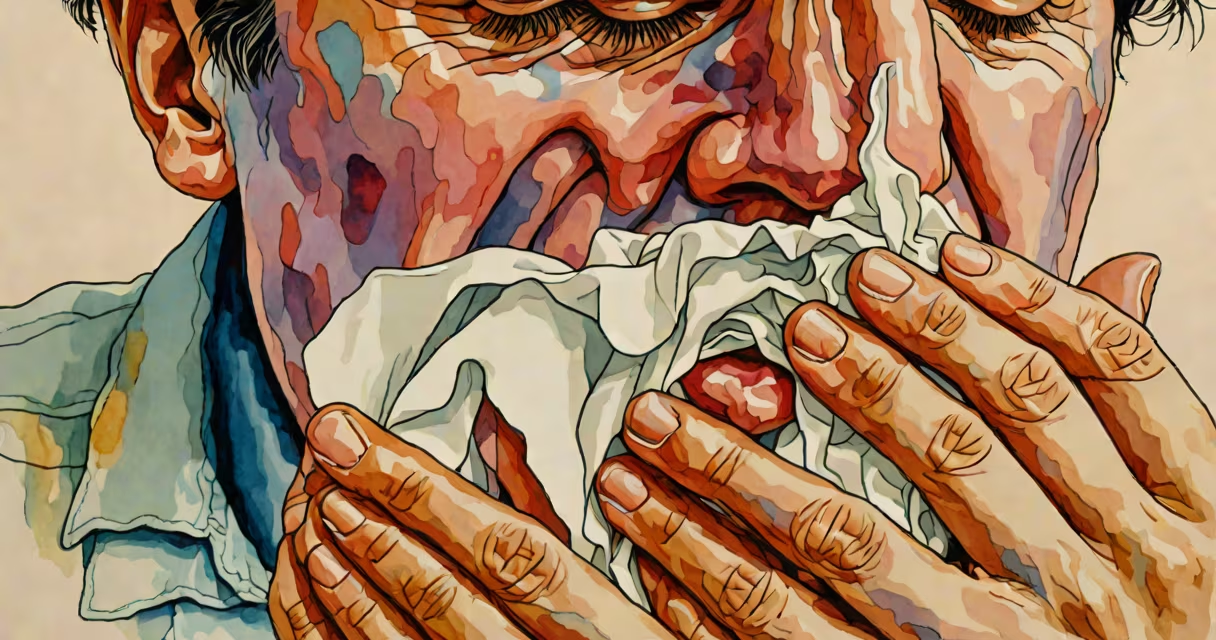
Bronchitis occurs when the bronchial tubes-the air passages leading to your lungs-become inflamed, usually due to infection or irritation. This inflammation leads to persistent coughing, excess mucus production, and difficulty breathing. The condition often follows a viral upper respiratory infection and typically resolves within a few weeks.
Acute bronchitis, the most common form, develops suddenly and lasts about 3 to 10 days, though coughing may persist longer. Chronic bronchitis, diagnosed when a productive cough lasts at least three months for two consecutive years, is linked to long-term smoking or exposure to lung irritants. Both forms involve swelling in the airways, narrowing the space for airflow and triggering protective cough reflexes.
The American Lung Association notes that bronchitis is not always bacterial-most cases stem from viruses like rhinovirus or influenza. Antibiotics do not treat viral bronchitis and are ineffective unless a secondary bacterial infection develops. Misuse of antibiotics contributes to resistance, a concern highlighted by the Centers for Disease Control and Prevention (CDC).
Inflammation begins when irritants-viruses, smoke, dust, or pollution-enter the bronchial lining. Immune cells rush to the site, releasing chemicals that cause swelling, increased mucus secretion, and irritation of nerve endings. These changes trigger the cough reflex, which attempts to clear the airway of debris and fluid.
Mucus buildup is a key feature. Normally, mucus traps particles and pathogens, then moves upward via cilia-tiny hair-like structures-to be expelled. In bronchitis, excessive mucus overwhelms this system, leading to a wet, hacking cough. The mucus may appear clear, white, yellow, or green, depending on immune activity and presence of bacteria.
A 2021 study published in Chest found that nearly 70% of patients with acute bronchitis reported cough lasting beyond seven days, even without antibiotic treatment. Recovery time varies by individual health, age, and exposure history. Most people improve without medication, but fatigue and reduced lung function can linger for up to four weeks.
There are two primary types: acute and chronic. Acute bronchitis is short-lived and typically follows a cold or flu. Chronic bronchitis is a form of chronic obstructive pulmonary disease (COPD) and results from prolonged irritation, especially from cigarette smoke. The Global Initiative for Chronic Obstructive Lung Disease (GOLD) defines chronic bronchitis based on symptom duration, not severity.
| Type | Duration | Common Cause | Typical Symptoms |
|---|---|---|---|
| Acute | Less than 3 weeks | Viral infections (e.g., flu, cold) | Wet cough, low-grade fever, chest tightness |
| Chronic | ≥3 months/year for ≥2 years | Smoking, air pollution, occupational dust | Constant cough, daily mucus, shortness of breath on exertion |
Non-viral triggers include environmental pollutants such as sulfur dioxide, nitrogen oxides, and fine particulate matter (PM2.5). A 2020 study in Environmental Health Perspectives linked long-term PM2.5 exposure to a 20% higher risk of developing chronic bronchitis, even among non-smokers.
Some people mistake bronchitis for pneumonia. While both affect the lower respiratory tract, pneumonia involves lung tissue inflammation and often presents with high fever, chills, and sharp chest pain. Bronchitis rarely causes fever above 100.4°F (38°C) unless a secondary bacterial infection occurs.
Most cases of acute bronchitis resolve on their own. However, see a healthcare provider if you experience a fever above 101.3°F (38.5°C), cough lasting more than three weeks, blood in sputum, or worsening shortness of breath. These signs may indicate pneumonia, tuberculosis, or underlying heart or lung conditions.
I once treated a patient with a persistent cough after a winter cold. Despite initial diagnosis of viral bronchitis, his symptoms worsened over two weeks. A chest X-ray revealed early pneumonia. He required antibiotics and recovered fully within ten days. This case underscores that not all respiratory illnesses follow predictable patterns.
For those with chronic bronchitis, ongoing management is essential. Smoking cessation reduces progression by up to 50%, according to the National Heart, Lung, and Blood Institute (NHLBI). Pulmonary rehabilitation programs improve exercise tolerance and quality of life in patients with advanced disease.
Rest, hydration, and avoiding irritants are cornerstones of recovery. Over-the-counter expectorants like guaifenesin help thin mucus. Inhaled bronchodilators may ease airway constriction in people with reactive airways, though they're not routinely prescribed for uncomplicated acute bronchitis.
Antibiotics are not recommended for typical acute bronchitis. The CDC states that prescribing them in 90% of cases is unnecessary and increases risks of side effects and resistant organisms. Only consider antibiotics if signs of bacterial infection emerge-such as worsening fever, purulent sputum, or abnormal chest imaging.
For relief, use a humidifier to moisten dry air. Steam inhalation with eucalyptus oil can loosen mucus, though evidence is limited. Avoid cough suppressants unless advised-coughing clears the airway, and suppressing it may prolong illness.
Understanding what happens when you have bronchitis helps you distinguish normal recovery from red flags. Most episodes resolve within a month with supportive care. Recognizing warning signs ensures timely intervention and prevents complications.