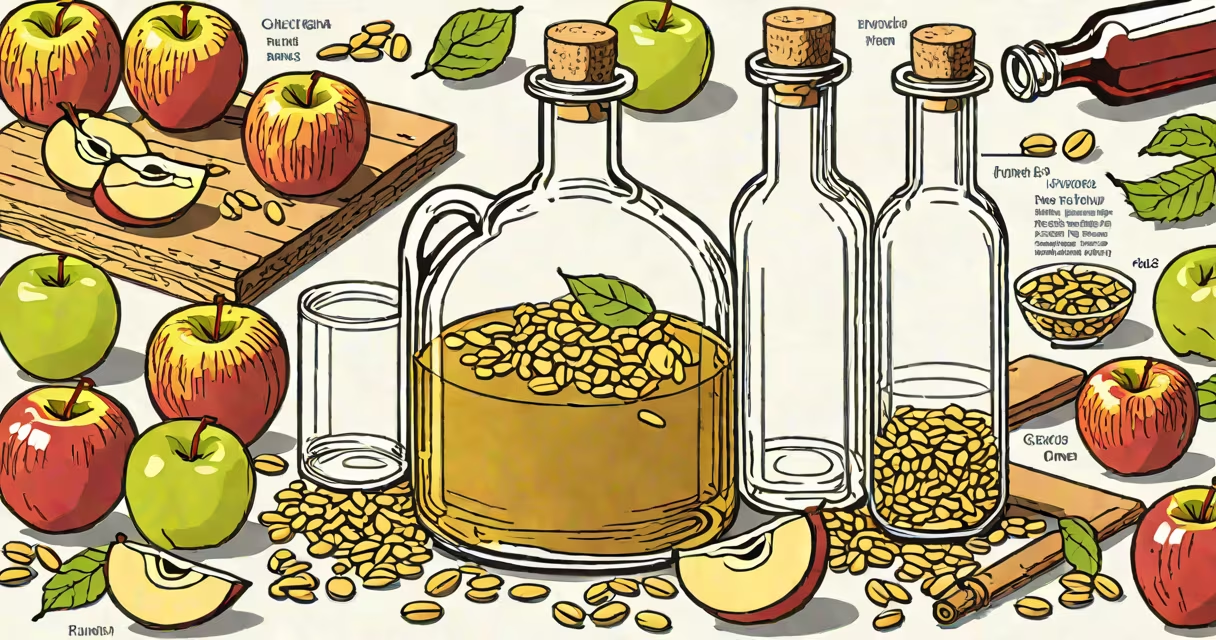
Vinegar is a sour liquid produced through the fermentation of ethanol by acetic acid bacteria, primarily from alcoholic sources like fruit juices, malted grains, or wine. The process converts alcohol into acetic acid, which gives vinegar its distinctive sharp taste and preservative properties.
At its core, vinegar begins as a sugar-rich substance-such as apple juice, grape must, or beer-that undergoes alcoholic fermentation. Yeast converts the sugars into ethanol. This alcohol then enters a second phase, where acetic acid bacteria (like *Acetobacter*) oxidize it into acetic acid. The resulting solution contains 4-8% acetic acid by volume, depending on the type and intended use.
Common sources include apples (for apple cider vinegar), grapes (wine vinegar), rice (rice vinegar), and barley (malt vinegar). Distilled white vinegar uses grain alcohol and is purified to remove color and flavor, making it ideal for cleaning and pickling.
The transformation from sugar to vinegar occurs in two stages. First, yeast performs alcoholic fermentation: sugars break down into ethanol and carbon dioxide. For example, 100 grams of glucose yields about 51 grams of ethanol and 49 grams of CO₂.
In the second stage, acetic acid bacteria consume the ethanol and convert it into acetic acid using oxygen. This aerobic process requires exposure to air. A typical batch takes 2-6 weeks, depending on temperature and bacterial concentration. The reaction is:
CH₃CH₂OH + O₂ → CH₃COOH + H₂O
Temperature matters. Acetic acid bacteria thrive between 25°C and 30°C (77°F-86°F). Below 20°C, activity slows. Industrial production often uses continuous flow reactors to maintain optimal conditions.
Different vinegars derive from distinct base materials, affecting flavor, color, and acidity. The table below outlines major types:
| Type | Base Material | Acidity Range | Common Uses |
|---|---|---|---|
| Apple Cider Vinegar | Crabapple or domestic apple juice | 5-6% | Salads, marinades, health tonics |
| White Distilled Vinegar | Grain alcohol (usually corn) | 5-8% | Cleaning, pickling, disinfecting |
| Rice Vinegar | Sweet rice or sake | 4-5% | Japanese cuisine, sushi, dressings |
| Wine Vinegar | Red or white wine | 5-6% | French vinaigrettes, deglazing |
| Malt Vinegar | Barley malt extract | 5-6% | British fish and chips, condiments |
Some specialty vinegars come from unexpected sources. Balsamic vinegar originates from Trebbiano grapes in Modena, Italy, aged for years in wooden barrels. It develops complex sweetness and depth through slow oxidation and evaporation, not just fermentation.
Vinegar is not simply diluted acetic acid. While acetic acid is the key active ingredient, pure acetic acid (glacial acetic acid) is corrosive and unsafe for consumption. Food-grade vinegar contains water, trace alcohols, organic acids, and flavor compounds developed during aging.
Another myth: vinegar cannot "clean your gut" or cure diseases. The U.S. Food and Drug Administration (FDA) classifies vinegar as a food, not a medicine. Claims about weight loss or blood sugar control lack consistent clinical support. A 2018 study in Diabetes Care showed modest reductions in postprandial glucose with 1-2 tablespoons of vinegar daily-but results were small and not universally replicable.
Also, not all vinegar is safe to drink raw. Some industrial grades contain impurities or high metal content. Only food-grade vinegar labeled for human consumption should be ingested.
To make homemade apple cider vinegar:
This method mimics traditional home brewing. The final product typically reaches 5-6% acetic acid. The mother-a biofilm of acetic acid bacteria and yeast-is rich in probiotics and often left in the bottle for added benefit.
I've made this process twice. The first time, I used store-bought apple juice with added preservatives. The batch failed-no fermentation occurred. The second time, I used fresh-pressed juice from local apples. Within 10 days, bubbling began. After six weeks, the smell shifted from sweet to sour. The result was usable in salad dressings and pickling.
Vinegar's acidity inhibits harmful microbes. The FDA notes that acetic acid can reduce pathogen growth in foods. In pickling, vinegar prevents spoilage by lowering pH below 4.6, a threshold that limits most bacterial growth.
Historically, vinegar served as a preservative before refrigeration. Ancient Romans used it to preserve meat and fish. During the 18th century, British sailors received daily rations of vinegar mixed with water-" vinegar and water"-to prevent scurvy and combat contaminated drinking water.
Modern research shows vinegar may influence digestion. A 2020 review in Nutrients found that vinegar consumption modestly delays gastric emptying, potentially helping regulate blood sugar after meals. However, effects are dose-dependent and vary widely among individuals.
For cooking, vinegar adds balance. A vinaigrette with olive oil, Dijon mustard, and red wine vinegar creates a stable emulsion due to the acid's ability to stabilize fat droplets. In marinades, it tenderizes meat by denaturing proteins.