During Lent, Catholics are required to abstain from eating meat on Ash Wednesday, Good Friday, and all Fridays of Lent. This means beef, pork, chicken, and other land animals are off-limits. Fish and other seafood are permitted and have long been accepted as valid alternatives.
The practice stems from early Christian tradition, where fasting and abstinence were acts of penance and spiritual discipline. The Church defines meat as the flesh of warm-blooded animals, which includes mammals and birds. Cold-blooded creatures like fish, shellfish, and amphibians are not classified as meat under this rule.
According to the United States Conference of Catholic Bishops (USCCB), "Abstinence from meat is required on Ash Wednesday, Good Friday, and all Fridays of Lent." Fish, including salmon, cod, trout, and shrimp, is explicitly allowed. This distinction is rooted in liturgical law, not dietary preference.
Abstinence from meat applies to all Catholics aged 14 and older. The obligation is not about nutrition-it's about symbolic sacrifice. Eating fish instead of meat serves as a reminder of Christ's suffering and death on the cross.
Meat is defined as the flesh of animals that are warm-blooded and typically raised for food. This includes cows, pigs, chickens, and even game such as venison. Seafood, however, falls outside this category. The Church considers fish a separate category due to historical precedent and theological symbolism.
For example, St. Ambrose wrote in the 4th century that "we do not eat meat on Fridays because we remember the Lord's Passion." He specifically noted that fish was acceptable, reinforcing the idea that cold-blooded animals were not included in the prohibition.
Not all animal products are treated equally. The following table outlines what is allowed and what is not during Lent:
| Food Type | Allowed During Lent? | Notes |
|---|---|---|
| Beef, pork, lamb | No | Warm-blooded animals; prohibited on Ash Wednesday and Fridays |
| Chicken, turkey, duck | No | Birds are considered meat under Church law |
| Salmon, cod, haddock, trout | Yes | Fish are permitted; common Lenten choices |
| Shrimp, crab, lobster | Yes | Shellfish are allowed; no distinction between crustaceans and finfish |
| Vegetables, grains, legumes | Yes | Always permitted; form the basis of many Lenten meals |
Some people assume that processed meats like sausages or bacon are exempt if they're not fresh. That's incorrect. Any product derived from warm-blooded animals counts as meat. A ham sandwich, even if made from cured pork, still violates the abstinence rule.
There is no allowance for substitutes like plant-based meats. While these may be nutritious and environmentally friendly, they are not recognized by Church law as replacements for meat during Lent. The focus remains on physical abstinence, not dietary equivalence.
A frequent misunderstanding is that all animal protein is banned during Lent. This is false. Fish is not only allowed-it's encouraged in many Catholic households as a traditional Lenten dish.
Another myth is that the rule applies to all Christians. It does not. Only Roman Catholic Christians are bound by the specific abstinence laws. Other denominations observe Lent differently-some fast from social media, others from sweets-but none have the same meat restriction.
There's also confusion around whether eggs and dairy count as meat. They do not. Eggs and milk are not considered meat under Church teaching. A dish like eggplant Parmesan with cheese and breadcrumbs is acceptable on a Friday during Lent, even though it contains dairy.
One non-obvious fact: The Church allows fish on days of abstinence because of its symbolic connection to Christ. Early Christians used the fish symbol (ichthys) as a secret sign of faith. This historical link makes fish a spiritually resonant choice during Lent.
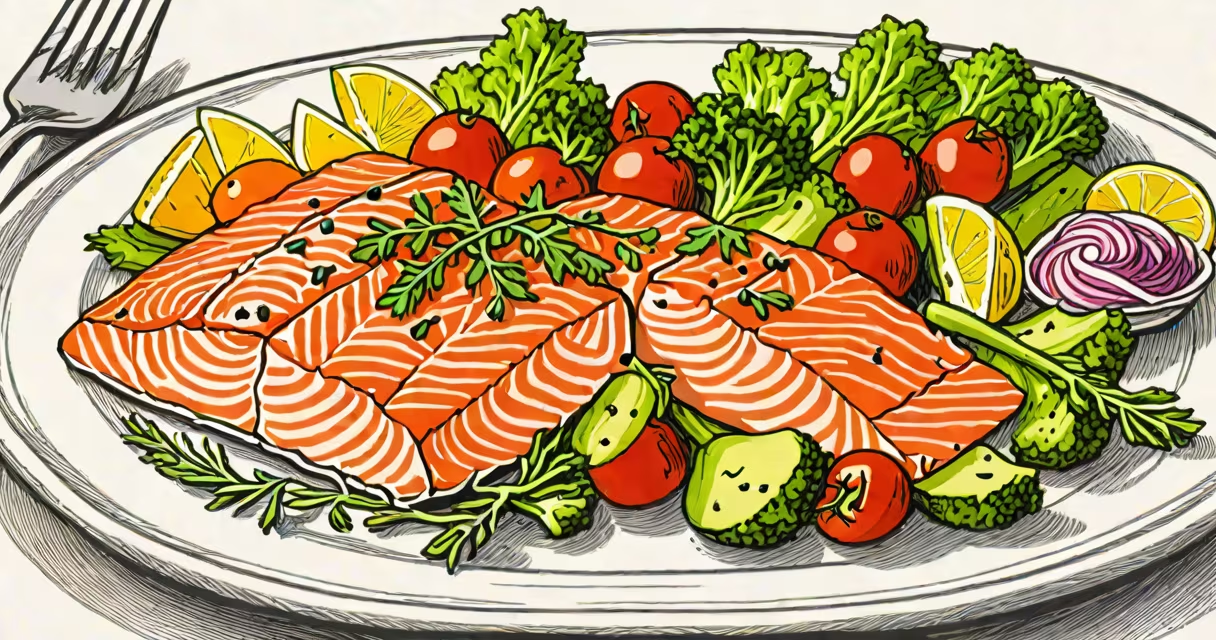
Consider a family dinner on a Friday during Lent. The menu includes grilled salmon (permitted), roasted carrots and potatoes (vegetables), and a side salad with olive oil and vinegar. The meal is simple, reflective, and compliant with Church guidelines.
Now imagine the same meal with a chicken breast instead of salmon. That would violate the abstinence rule. Even if the chicken is organic or free-range, it still counts as meat and is not allowed.
I once attended a parish dinner during Lent where the host served a fish stew made with cod, onions, garlic, and herbs. It was rich, flavorful, and deeply satisfying. A guest asked if it was "really" fish since it wasn't fried or breaded. The answer was yes-the Church doesn't require preparation style to qualify. As long as the food is from a cold-blooded animal, it's acceptable.
Abstinence from meat is required on:
These days are binding for Catholics aged 14 and older. Children under 14 are encouraged to participate in spiritual practices but are not obligated. The Church also allows flexibility for those with medical conditions or health concerns.
If you're unsure whether a food is meat, check the label. If it says "beef," "chicken," or "pork," avoid it. If it says "salmon," "tuna," or "shrimp," it's fine. For processed foods, look for ingredients like "natural flavors" or "hydrolyzed protein"-these may come from animal sources and should be verified.
The goal of abstaining from meat is not punishment-it's spiritual formation. By giving up something familiar, believers cultivate self-discipline and reflect on Christ's sacrifice.
Many parishes offer fish fries on Fridays during Lent. These events often draw large crowds and serve as both religious observance and community gathering. The popularity of fish dinners shows how deeply ingrained the tradition is.
What meat you can eat during Lent is limited to fish and seafood. The Church's rule is clear: no warm-blooded animals. This practice continues to shape Catholic life, offering a consistent path of reflection and devotion.