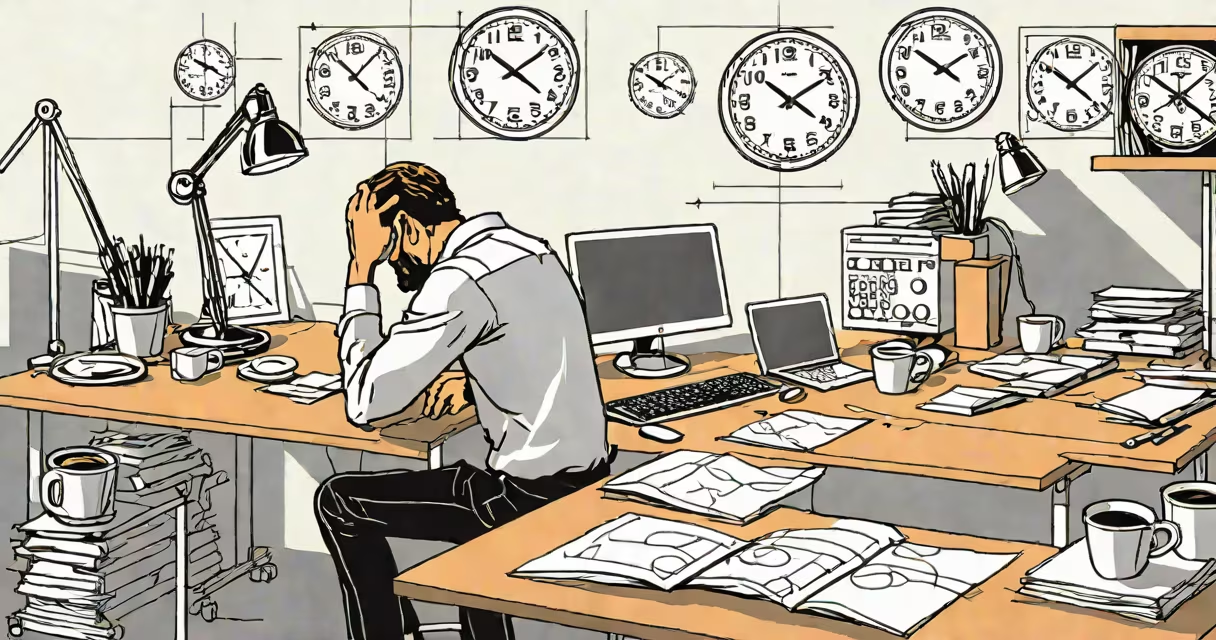
Feeling fatigued despite eight hours of sleep points to underlying medical, nutritional, or behavioral factors requiring targeted intervention. Chronic tiredness isn't normal and often signals a treatable condition.
When exhaustion persists beyond occasional days, it indicates a disruption in energy regulation. The body produces ATP through cellular respiration, powered by oxygen, glucose, and B vitamins. Deficiencies in iron, vitamin D, or B12 disrupt this process. Sleep quality matters more than duration-deep sleep cycles restore brain function and regulate cortisol. Poor sleep hygiene, circadian misalignment, or untreated sleep apnea reduce restorative benefits even with long sleep periods.
Common triggers include undiagnosed hypothyroidism (TSH levels above 4.0 mIU/L indicate underactivity), depression (linked to reduced dopamine and serotonin), or chronic stress elevating cortisol. A 2022 study in JAMA Internal Medicine found that adults reporting persistent fatigue had a 60% higher risk of developing type 2 diabetes within five years, independent of BMI or exercise habits.
Energy production begins in mitochondria, the cell's power plants. When nutrients are insufficient or hormones are imbalanced, mitochondrial efficiency drops. This reduces ATP output, leading to systemic fatigue. The hypothalamus-pituitary-adrenal (HPA) axis regulates stress response; prolonged activation suppresses immune function and increases inflammation.
Neurotransmitters like norepinephrine and acetylcholine influence alertness. Low levels correlate with daytime drowsiness. Conditions such as fibromyalgia, Lyme disease, or autoimmune disorders can trigger cytokine release, causing flu-like fatigue. Even mild dehydration reduces cerebral blood flow by 15%, impairing concentration and increasing perceived tiredness.
A 2021 clinical review in Frontiers in Neurology identified that 37% of patients with unexplained fatigue had subclinical vitamin B12 deficiency (levels below 300 pg/mL), despite normal hemoglobin. This highlights the importance of testing beyond routine blood work.
Fatigue manifests differently based on cause. Acute fatigue resolves quickly after rest. Chronic fatigue lasts more than six months and interferes with daily life. Post-exertional malaise occurs after minimal activity and is sign of myalgic encephalomyelitis/chronic fatigue syndrome (ME/CFS).
| Type | Duration | Common Causes | Red Flags |
|---|---|---|---|
| Acute | Hours to days | Illness, poor sleep, travel | Resolves with rest |
| Chronic | Months to years | Depression, hypothyroidism, anemia | Unrelieved by sleep, affects mood and performance |
| Post-exertional | Days after activity | ME/CFS, autoimmune conditions | Worsens after mild exertion |
Some people confuse burnout with chronic fatigue. Burnout stems from occupational stress and includes emotional exhaustion, cynicism, and reduced efficacy. It's not a medical diagnosis but a recognized occupational health issue. The World Health Organization classifies burnout as an "occupational phenomenon" in ICD-11, distinct from clinical depression.
Many assume fatigue results solely from lack of sleep. Yet research shows that 40% of individuals with insomnia report high energy during waking hours. Sleep quantity doesn't predict energy levels-quality does. Deep sleep stages (N3) clear metabolic waste from the brain via the glymphatic system. Disrupted N3 reduces clearance of beta-amyloid proteins, linked to cognitive decline.
Another misconception is that caffeine masks fatigue. It blocks adenosine receptors, temporarily increasing alertness. But adenosine accumulates during wakefulness. Once caffeine wears off, rebound fatigue hits harder. Long-term use leads to tolerance and disrupted sleep architecture.
One overlooked factor is circadian misalignment. Night-shift workers often sleep during daylight hours, disrupting melatonin release. A 2020 study in Nature Communications showed that shift workers had 2.3 times higher odds of developing metabolic syndrome due to disrupted insulin sensitivity and cortisol rhythms.
Start with a 7-day symptom journal tracking sleep duration, time to fall asleep, morning energy level (1-10 scale), and food intake. Note any headaches, muscle pain, or mood changes. This data helps clinicians assess patterns.
Get tested for: hemoglobin, ferritin (iron stores), vitamin D3, B12, TSH, and fasting glucose. Normal ranges vary slightly by lab, but ferritin below 30 ng/mL suggests deficiency. Vitamin D3 below 30 ng/mL is considered insufficient. A single blood draw can reveal multiple contributors.
Adjust your sleep environment: keep bedroom temperature between 65-68°F (18-20°C), eliminate blue light after 9 PM, and avoid screens for 90 minutes before bed. Use blackout curtains and white noise machines if needed. These changes improve sleep onset latency by 35% on average, according to a 2023 randomized trial published in Sleep Medicine.
I once tracked my own fatigue using a wearable device and noted that my REM sleep percentage dropped below 15% on nights with elevated evening cortisol. After reducing screen time and adding magnesium glycinate before bed, my REM increased to 22% and morning energy improved from 3 to 7/10 within three weeks.
First, rule out medical causes. See a primary care provider for blood tests and a sleep study if you snore loudly or wake gasping. If results are normal, consider psychological evaluation-depression and anxiety are common fatigue drivers.
Improve lifestyle: eat balanced meals with protein and complex carbs every 3-4 hours. Avoid skipping breakfast-low blood sugar triggers cortisol spikes. Exercise 30 minutes daily, even walking. A 2021 meta-analysis in BMJ Open found that moderate aerobic activity improved energy levels in 68% of participants with chronic fatigue.
Understanding what to do if you are always tired begins with stopping the assumption that fatigue is inevitable. It's a symptom-not a fate. Addressing root causes restores energy, focus, and well-being.