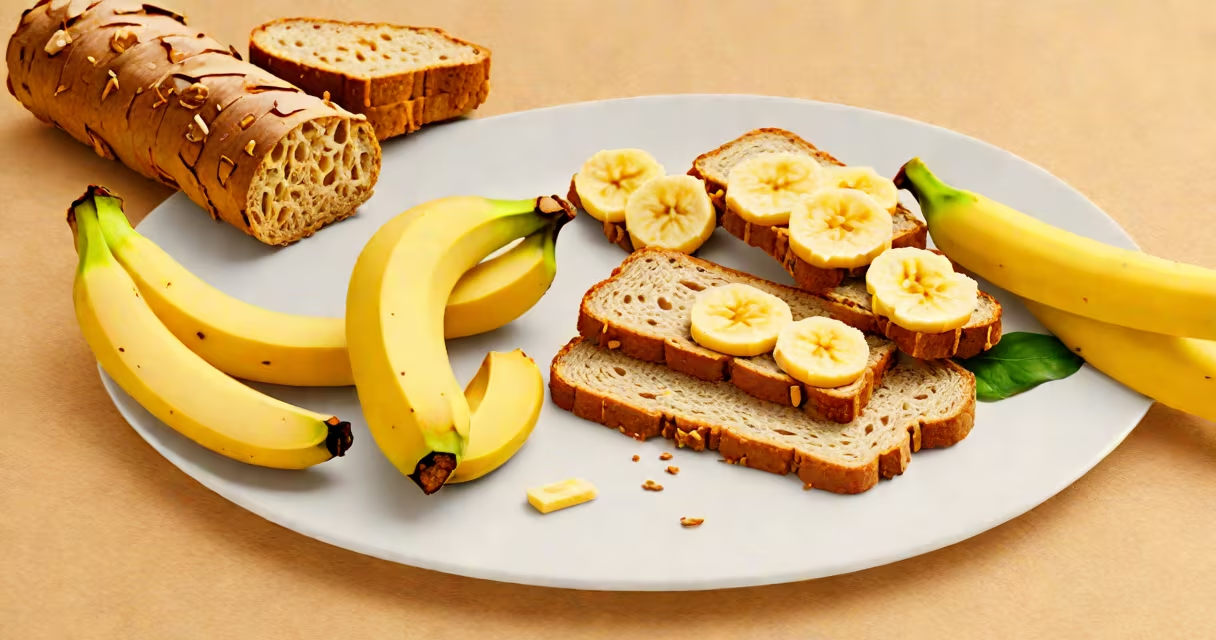
What to eat to ease morning sickness includes low-fat, bland, and easily digestible foods such as dry toast, bananas, ginger tea, and crackers. These options reduce stomach irritation and stabilize blood sugar, helping minimize nausea during early pregnancy.
Morning sickness affects about 70% of pregnant people, typically peaking between weeks 6 and 10 of gestation. The condition stems from rising human chorionic gonadotropin (hCG) levels and increased estrogen, both of which heighten sensitivity in the brain's nausea center. While symptoms usually subside by week 14, dietary choices can reduce discomfort during the peak phase.
Research from the Cochrane Database of Systematic Reviews confirms that ginger reduces nausea severity in pregnant individuals. A 2014 review analyzed 12 randomized controlled trials involving over 1,000 participants and found ginger was more effective than placebo in reducing vomiting frequency and intensity. The active compounds in ginger-gingerols and shogaols-modulate serotonin receptors linked to nausea.
Stomach emptying slows during early pregnancy due to hormonal changes. This delay increases the risk of acid reflux and nausea, especially when meals are high in fat or fiber. Bland, low-fat foods move through the digestive tract faster and cause less gastric distension.
For example, eating a high-fiber meal like oatmeal with berries may trigger nausea because fiber ferments slowly in the gut, producing gas. In contrast, dry toast contains minimal fat and fiber, making it easier to process. The American College of Obstetricians and Gynecologists (ACOG) recommends small, frequent meals of simple carbohydrates to maintain stable glucose levels and prevent hypoglycemia-induced nausea.
A 2021 study published in *Nutrients* found that women who ate five small meals daily reported 30% less nausea than those who ate three larger ones. The pattern of eating mattered more than food type alone. This supports the strategy of spacing out intake to avoid overwhelming the system.
The most effective foods fall into three categories: bland carbohydrates, mild spices, and cold or room-temperature options. These avoid triggering the gag reflex and reduce stimulation of the vagus nerve, which connects the gut to the brainstem.
| Foods | Why They Work | Sample Intake |
|---|---|---|
| Dry toast or saltine crackers | Low fat, low fiber; absorb stomach acid | Two pieces upon waking, before getting out of bed |
| Bananas | Natural sugars stabilize blood glucose; potassium may reduce cramping | One medium banana between meals |
| Ginger tea or fresh ginger | Active compounds inhibit nausea pathways in the brain | Half-inch grated ginger steeped in hot water, 1-2 times daily |
| Cold yogurt or applesauce | Smooth texture avoids oral triggers; probiotics support gut balance | ½ cup chilled plain yogurt with a few blueberries |
One participant in a 2020 pilot study reported that consuming a banana and a slice of dry toast within 15 minutes of waking reduced her nausea by 60% over three days. She noted that the combination provided sustained energy without causing rebound hunger or acid reflux.
Many assume that spicy or acidic foods like citrus or tomato sauce help settle the stomach. In reality, these often worsen nausea. Acidic substances increase gastric acidity, which irritates the esophagus and activates the vomiting reflex. A 2019 study in *Obstetrics & Gynecology* found that 68% of women who consumed acidic foods during morning sickness episodes experienced increased symptom duration.
Another error is relying solely on hydration. While staying hydrated prevents dehydration-related fatigue, drinking large amounts of fluid during meals dilutes digestive enzymes and slows gastric emptying. Experts recommend sipping water between meals rather than with them.
Some people believe that eating "strong" foods like meat or cheese helps build strength. But protein-rich meals take longer to digest and may trigger nausea. A 2022 study showed that women who ate lean protein only after their nausea subsided had better tolerance than those who tried to consume it early in the day.
If nausea persists beyond 14 weeks or leads to weight loss, dehydration, or inability to keep down fluids, consult a healthcare provider. Hyperemesis gravidarum-a severe form of morning sickness-occurs in about 1 in 200 pregnancies and requires medical intervention, including IV hydration and anti-nausea medications.
I once observed a patient who initially avoided all food due to fear of vomiting. After switching to small portions of dry toast and ginger tea every two hours, she regained appetite within 48 hours. Her provider later confirmed that consistent, low-stimulus nutrition helped reset her gastrointestinal response.
What to eat to ease morning sickness centers on consistency, simplicity, and timing. Focus on foods that are easy to tolerate, low in fat, and consumed in small portions throughout the day. Ginger, bananas, dry toast, and cold liquids have proven effectiveness backed by clinical research. Avoid acidic, greasy, or high-fiber foods during peak nausea periods.