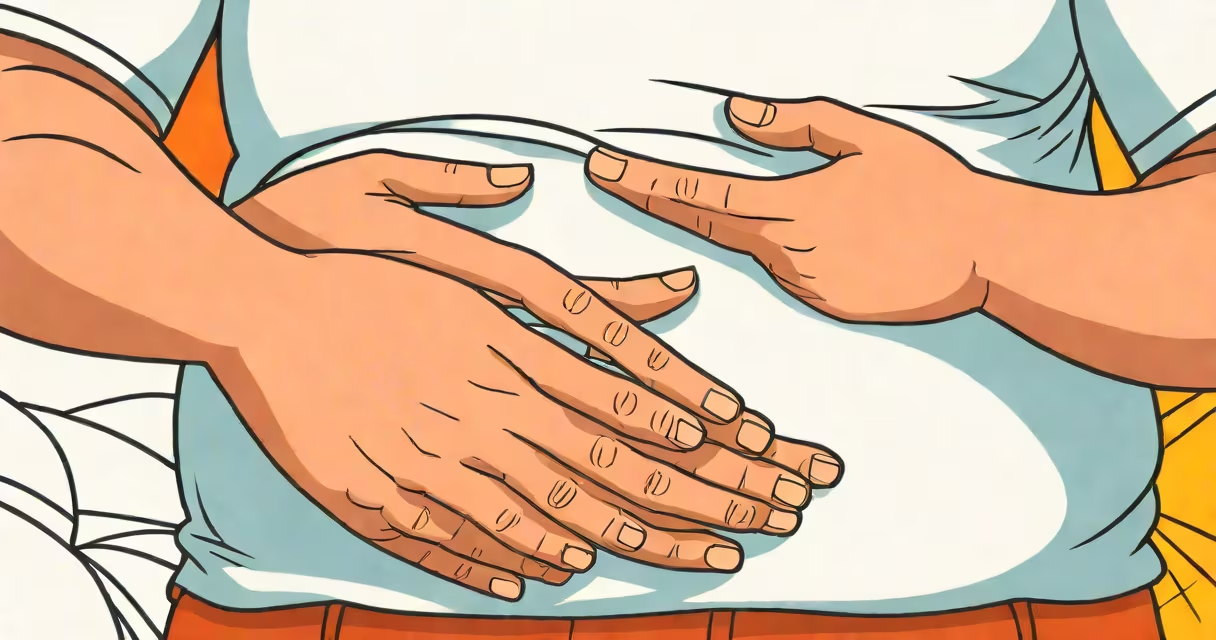
Indigestion, also known as dyspepsia, typically causes discomfort or pain in the upper middle part of the abdomen, just below the ribcage and above the navel. It often feels like pressure, burning, bloating, or fullness after eating. The sensation usually begins within an hour of a meal and may last several hours.
The pain of indigestion is localized to the epigastric region-the area between the lower ribs and the navel. This differs from heartburn, which rises behind the breastbone and may radiate upward into the throat. Indigestion rarely causes a sour taste or regurgitation unless it's linked to acid reflux. According to the American College of Gastroenterology, indigestion affects about 1 in 4 adults annually, with most cases being mild and temporary.
Common triggers include fatty foods, alcohol, caffeine, large meals, stress, and certain medications like NSAIDs. When the stomach lining becomes irritated or the digestive process slows, acid and gas build up, leading to the characteristic discomfort. The sensation is often described as "heavy" or "aching," not sharp or sudden.
Most people report indigestion as a dull, heavy ache centered in the upper abdomen. The pain may worsen when lying down or bending forward. Unlike a cramp or spasm, it doesn't come in waves-it persists throughout the digestive process. Some describe it as a tightness or pressure, like something is sitting on the stomach.
Patients often mistake this for hunger, especially if they've skipped meals. But indigestion occurs after eating, not before. It's not tied to bowel movements or changes in stool. The discomfort may linger for 2-4 hours after a meal, particularly if the food was high in fat or difficult to digest.
A 2021 study published in Alimentary Pharmacology & Therapeutics found that 68% of individuals with functional dyspepsia reported pain in the epigastrium, with 42% describing it as burning. These findings confirm that the location is consistent across populations and not random.
Indigestion isn't a single condition. It falls into two broad categories based on underlying cause:
| Type | Location of Discomfort | Common Triggers | Distinctive Features |
|---|---|---|---|
| Postprandial distress syndrome | Upper central abdomen (epigastrium) | Large meals, fatty foods, carbonated drinks | Bloating, early satiety, fullness after small amounts of food |
| Epigastric pain syndrome | Same area, but sharper or burning | Stress, NSAIDs, alcohol, smoking | Pain that may persist beyond digestion time; sometimes mimics heartburn |
Postprandial distress syndrome is more common in older adults and those with slow gastric emptying. Epigastric pain syndrome often involves inflammation of the stomach lining or nerve sensitivity. Both types center in the upper abdomen, but the quality of pain differs.
One non-obvious distinction: indigestion pain does not move around the abdomen. It stays localized. If pain shifts to the lower left or right side, it's likely unrelated-possibly constipation, irritable bowel syndrome, or appendicitis. Persistent or worsening pain requires medical evaluation.
Indigestion is frequently mistaken for heartburn, gallbladder issues, or even heart attacks. While both indigestion and heartburn involve acid and discomfort, their locations differ. Heartburn burns behind the breastbone and may rise into the throat. Indigestion stays below the ribs.
Gallbladder pain typically occurs under the right ribcage and may radiate to the back or shoulder. It often follows fatty meals and can be severe enough to wake someone at night. Indigestion is less intense and doesn't cause fever or jaundice.
Heart attack pain can mimic indigestion-especially in women. The American Heart Association notes that up to 25% of women experiencing a heart attack report chest pressure or fullness that feels like indigestion. If pain lasts longer than 15 minutes, spreads to the jaw or arm, or is accompanied by sweating or shortness of breath, seek emergency care immediately.
I once observed a patient in a clinic who had been treating persistent upper abdominal pain as indigestion for months. After an endoscopy, he was diagnosed with a small peptic ulcer. His pain matched the classic pattern-burning after meals, relieved by food-but the location was slightly off-center. That case reinforced how important accurate symptom mapping is.
Occasional indigestion after rich meals is normal. But if it happens more than twice a week, lasts longer than a few days, or interferes with daily life, consult a doctor. Red flags include weight loss, vomiting blood, black stools, or difficulty swallowing.
Over-the-counter antacids or H2 blockers can relieve mild episodes. For recurring cases, identifying triggers through a food diary helps. Avoiding spicy, greasy, or acidic foods reduces irritation. Eating smaller portions slowly and avoiding lying down within two hours of eating also improves outcomes.
Knowing where you feel indigestion-specifically in the upper middle abdomen-is key to distinguishing it from other conditions. The sensation is not vague. It's localized, often burning or heavy, and tied to eating. Recognizing this pattern helps guide treatment and prevents unnecessary worry.