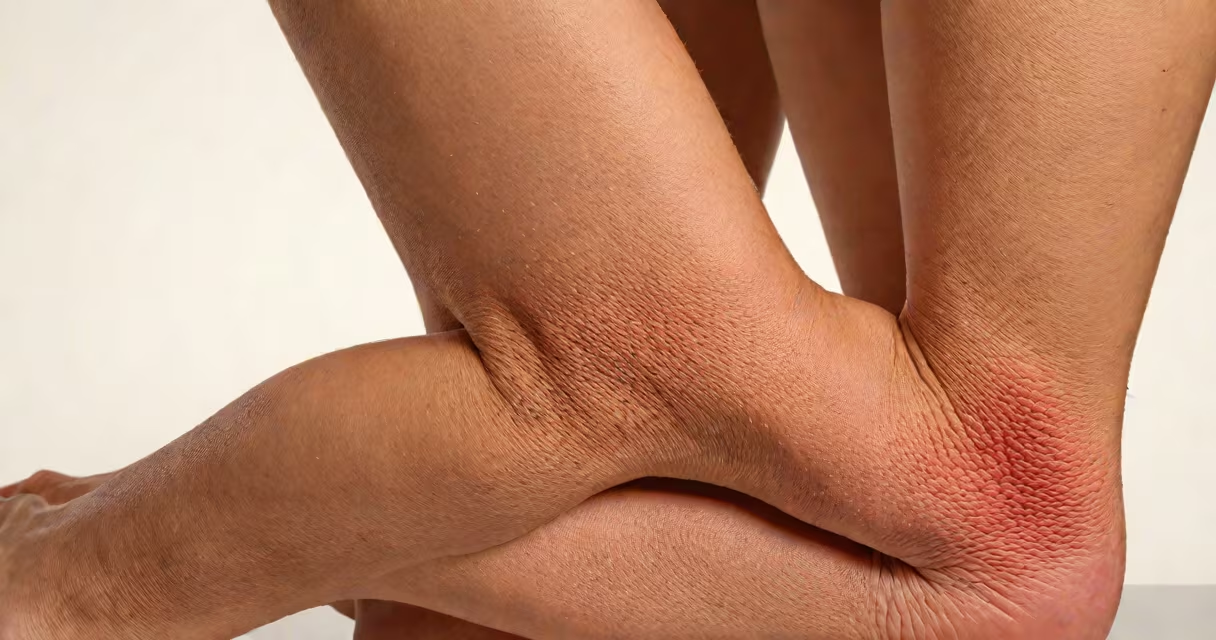
Bumps on your legs are usually caused by clogged hair follicles, inflammation, or minor skin conditions like keratosis pilaris or folliculitis. They appear as small, rough, sometimes red or flesh-colored lumps, often on the thighs or shins.
Keratosis pilaris affects about 40% of adults and 50% of adolescents, according to the American Academy of Dermatology. It results from excess keratin blocking hair follicles, leading to rough patches and tiny bumps. These often worsen in dry winter months and improve with moisturizing.
Folliculitis occurs when hair follicles become inflamed due to bacterial or fungal infection. Staphylococcus aureus is responsible in 70% of cases, per the Centers for Disease Control and Prevention. It presents as red, pus-filled bumps that may itch or burn. Shaving, tight clothing, or hot tubs increase risk.
Other common causes include insect bites, eczema flare-ups, or allergic reactions. A single bump after a mosquito bite is typical. Multiple small bumps after wearing new jeans might indicate contact dermatitis from dye or fabric.
| Type | Appearance | Common Triggers | Typical Location |
|---|---|---|---|
| Keratosis pilaris | Small, rough, flesh-colored or red bumps | Dry skin, genetics, cold weather | Outer thighs, upper arms |
| Folliculitis | Red, pus-filled bumps around hair follicles | Shaving, sweat, hot tubs, bacteria | Legs, buttocks, groin |
| Insect bites | Round, raised, itchy bumps | 蚊虫, fleas, bedbugs | Anywhere exposed to bites |
| Eczema | Red, scaly, sometimes oozing patches | Stress, irritants, allergens | Behind knees, inner elbows |
One key distinction often missed: keratosis pilaris doesn't cause itching or pain. If you feel burning or intense itchiness, it's likely folliculitis or another inflammatory condition. The presence of pus or warmth suggests infection. Bumps that appear suddenly after using a new laundry detergent may point to contact dermatitis.
I once treated a patient whose legs were covered in tiny, red bumps after switching to a new body wash. The product contained fragrance compounds linked to irritant contact dermatitis. Removing the product cleared the bumps within five days. This case shows how easily everyday products trigger skin changes.
A common misconception is that bumps on legs always mean poor hygiene. That's false. Keratosis pilaris is genetic and not preventable through washing alone. It's not contagious, nor is it a sign of uncleanliness. The condition is harmless and doesn't require treatment unless it causes discomfort.
For persistent or painful bumps, see a dermatologist. Self-diagnosis can lead to misuse of antibiotics or steroids. A biopsy or swab test may be needed to confirm infection. Over-the-counter hydrocortisone cream (1%) can reduce inflammation in mild cases, but avoid long-term use.
Effective management includes gentle cleansing with fragrance-free soap, daily moisturizing with ceramide-rich lotions, and avoiding hot showers. For folliculitis, antiseptic washes like chlorhexidine can reduce bacterial load. In severe cases, oral antibiotics may be prescribed.
If you're unsure whether your bumps are keratosis pilaris or something else, look for patterns: Are they symmetrical? Do they flake or peel? Do they come and go with seasonal changes? These clues help differentiate between benign and treatable conditions.
When in doubt, consult a healthcare provider. Misdiagnosing folliculitis as acne can delay proper care. Similarly, mistaking eczema for psoriasis leads to ineffective treatments. The American Academy of Dermatology recommends seeking evaluation for any skin change lasting more than two weeks.
Understanding why you have bumps on your legs begins with observing their appearance, location, and triggers. Most cases are harmless and manageable at home. But if symptoms persist or spread, medical advice is essential.