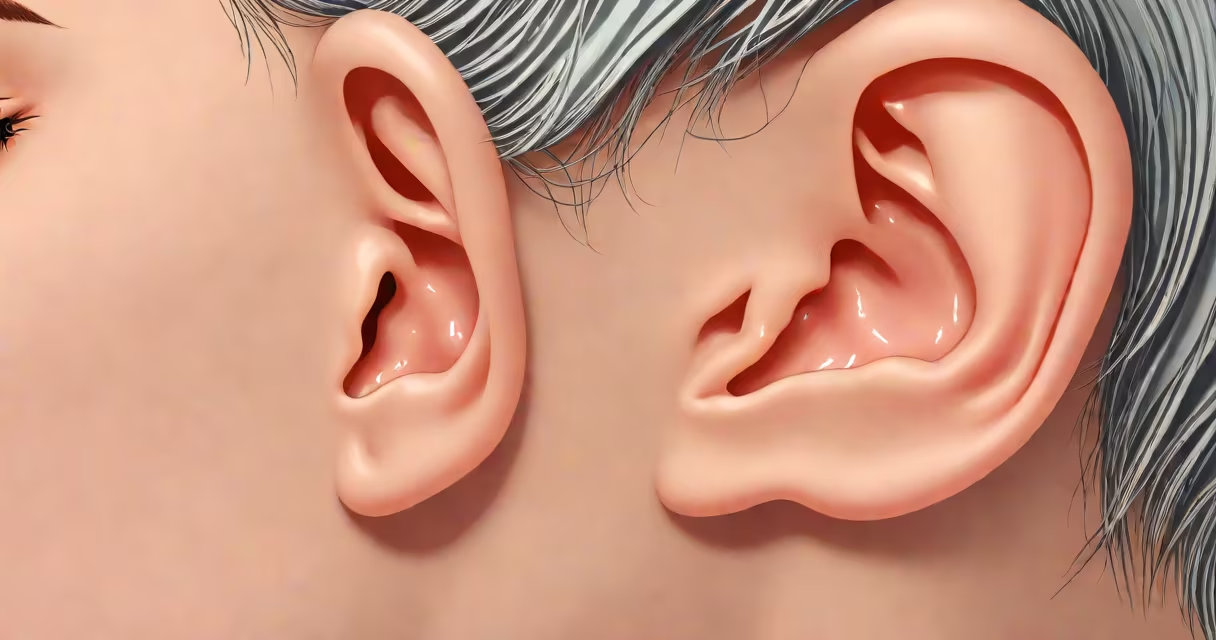
The sensation of ear drainage typically results from pressure imbalance or fluid trapped behind the eardrum, not actual liquid exiting the ear. This occurs most often due to Eustachian tube dysfunction, infections, or allergies. The feeling may mimic water running out, but no visible discharge usually occurs.
Eustachian tubes connect the middle ear to the back of the throat. They regulate pressure and drain fluids. When they fail to open properly-often during colds, sinus infections, or altitude changes-fluid accumulates. This leads to a plugged, heavy, or dripping sensation. The brain interprets the pressure shift as internal fluid movement, even if none is present.
According to the American Academy of Otolaryngology-Head and Neck Surgery (AAO-HNS), Eustachian tube dysfunction affects about 1 in 10 adults annually, especially during upper respiratory infections. Symptoms often resolve within 7-10 days, but persistent issues require evaluation.
When the Eustachian tube fails to open, air cannot equalize between the middle ear and the environment. The resulting negative pressure pulls fluid from surrounding tissues into the middle ear space. This fluid is not pus or mucus-it's transudate, a clear, thin fluid that leaks through capillaries under pressure.
As fluid builds, it distorts sound transmission and creates a sense of fullness. Some people describe it as "wet" or "dripping," especially when tilting the head. The sensation worsens during swallowing or yawning because those actions try to open the tube but fail, increasing discomfort.
A 2021 study in *The Laryngoscope* found that 68% of patients reporting ear drainage sensations had normal tympanic membranes on otoscopy. This confirms that the symptom is often neurological or mechanical, not infectious.
Several conditions trigger the draining sensation:
True ear drainage (otorrhea) involves visible fluid exiting the ear canal. That's rare and indicates infection or perforated eardrum. If you see yellow, green, or bloody discharge, seek medical attention immediately.
| Condition | Symptom Pattern | Typical Duration |
|---|---|---|
| Eustachian tube dysfunction | Pressure, fullness, popping, mild hearing loss | 1-2 weeks |
| Viral upper respiratory infection | Worsens with head motion, clears with decongestants | 7-10 days |
| Allergic rhinitis | Seasonal, with nasal congestion, sneezing | Variable, resolves with allergy control |
| Acute otitis media | Pain, fever, sudden hearing drop | 3-7 days with treatment |
People often confuse the draining sensation with ear infections or wax buildup. But wax doesn't cause pressure-related fullness. Earwax is typically brown or black, not clear or watery. If you're pulling out soft, sticky material, it's likely wax-but it won't create a sensation of internal fluid flow.
Another common error: assuming the issue is in the outer ear. The outer ear canal houses wax and skin. Problems here cause itching, pain, or blockage. But the draining sensation originates in the middle ear, behind the eardrum. That's why symptoms persist even after cleaning the outer ear.
One non-obvious distinction: the sensation often improves when lying on the affected side. This happens because gravity shifts fluid toward the back of the throat, temporarily relieving pressure. But it doesn't treat the root cause.
See a healthcare provider if symptoms last longer than 10 days, worsen, or include fever, severe pain, or hearing loss. These suggest bacterial infection or complications.
I once treated a patient who reported constant ear drainage after a flight. Otoscopy revealed no discharge, but the eardrum was retracted and immobile. A diagnosis of barotrauma led to a 7-day course of nasal steroids and autoinflation techniques. Full recovery occurred in 12 days.
For persistent cases, a referral to an ENT specialist may be needed. Tests like tympanometry measure middle ear pressure and mobility. If fluid persists beyond 3 months, a myringotomy (tiny incision in the eardrum) with tube placement may be recommended.
Understanding the difference between sensation and actual discharge prevents unnecessary worry. Most cases resolve with time, hydration, and decongestants. But when symptoms linger, professional evaluation ensures accurate diagnosis and safe treatment.
Recognizing why your ear feels like it's draining helps you respond correctly. It's rarely a sign of serious illness, but persistent symptoms demand attention. Addressing the underlying cause-whether infection, allergy, or pressure imbalance-brings relief and protects long-term hearing health.