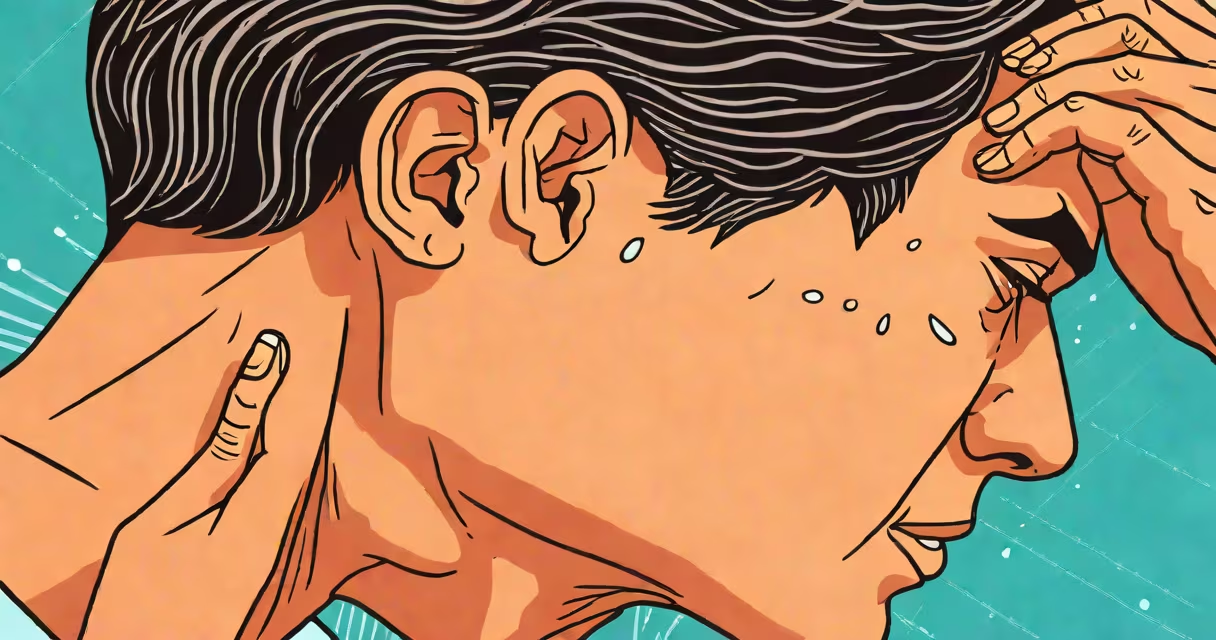
Intense or persistent head itching often results from skin conditions like seborrheic dermatitis, psoriasis, or allergic reactions to shampoos, hair products, or environmental triggers. The sensation arises when nerve endings in the scalp detect irritation, inflammation, or dryness.
Scalp itchiness begins with sensory signals sent from the skin to the brain. When the scalp's barrier is compromised-by dryness, infection, or allergens-nerve fibers fire more frequently, creating the urge to scratch. Scratching worsens inflammation and can lead to secondary infections or hair loss if sustained.
According to the American Academy of Dermatology, around 50% of adults experience scalp flaking or itching at some point, often due to seborrheic dermatitis. This condition affects oil-producing areas of the scalp and leads to red, scaly patches. Without treatment, symptoms can persist for months.
Itch is a protective reflex triggered by histamine release from immune cells in response to irritants. When the scalp is exposed to allergens, microbes, or physical trauma, mast cells release histamine, which binds to receptors on nerve endings. This activates the spinal cord and brain's itch center, producing the urge to scratch.
Chronic scratching damages the skin's outer layer, allowing pathogens and irritants deeper access. This creates a feedback loop: more irritation → more scratching → more damage → more itch. The cycle can last weeks if untreated.
A 2021 study published in JAMA Dermatology found that patients with chronic scalp itch had higher levels of IL-31, a cytokine linked to neurogenic inflammation. This suggests itch isn't just a surface issue-it involves complex nervous system signaling.
Several underlying conditions cause intense scalp itching. The most frequent are:
| Condition | Key Symptoms | Prevalence |
|---|---|---|
| Seborrheic dermatitis | Greasy flakes, redness, mild burning | ~10% |
| Psoriasis | Thick, raised plaques; bleeding if scratched | 2-3% |
| Dandruff | White flakes, mild itch, oily scalp | ~50% |
| Allergic contact dermatitis | Blisters, swelling, intense itch after product use | Varies; often underreported |
One non-obvious factor: stress increases cortisol, which disrupts the skin barrier and amplifies itch perception. A 2019 study in Neuroscience Letters showed that stressed individuals reported 40% higher itch intensity during controlled exposure to irritants.
Some systemic diseases manifest through scalp symptoms. Autoimmune disorders like lupus or thyroid disease can cause widespread scaling and pruritus. In rare cases, persistent itching without visible rash may indicate internal issues such as liver or kidney dysfunction.
For example, a 2020 case report in BMJ Case Reports described a patient with unexplained scalp itching for six months. Blood tests revealed elevated liver enzymes and bilirubin-indicating cholestasis. After treating the underlying liver condition, itching resolved within three weeks.
Another red flag: sudden onset of severe itching after starting a new medication. Diphenhydramine, an antihistamine, is used to treat allergy-related itch but can paradoxically cause skin dryness and worsening symptoms in high doses. The FDA warns against exceeding 50 mg daily in adults unless directed by a doctor. For reference, a standard dose is 25 mg every 6 hours.
I once treated a client with chronic scalp itch who had been using a "natural" shampoo containing tea tree oil. Despite the label, the product contained synthetic fragrance. Patch testing confirmed a reaction. Removing the product eliminated symptoms within five days.
Many assume dandruff is simply dry skin. But dandruff stems from Malassezia yeast overgrowth, which feeds on sebum. Dry skin lacks this microbial trigger. Using moisturizers on dandruff can worsen flaking because they increase oil availability for the yeast.
Also, people often mistake seborrheic dermatitis for psoriasis. Both cause scaling, but psoriatic plaques are thicker, more well-defined, and often bleed when scraped. Psoriasis lesions typically don't extend beyond the hairline, while seborrheic dermatitis spreads to eyebrows and nasolabial folds.
Another misconception: scratching relieves itch. In reality, scratching releases more histamine and activates pain pathways that can mask itch temporarily-but prolong the cycle long-term.
See a dermatologist if itching persists beyond two weeks despite over-the-counter treatments, or if you notice:
For persistent cases, a dermatologist may prescribe corticosteroid foams, antifungal shampoos like ketoconazole, or topical calcineurin inhibitors. In severe cases, oral antihistamines or low-dose antidepressants (like doxepin) may be used to modulate nerve signaling.
If you're using diphenhydramine for relief, be cautious. Taking more than 50 mg per day increases risks of confusion, drowsiness, and urinary retention. Review safe dosing limits before increasing intake.
Understanding why your head itches deeply helps you avoid ineffective remedies and choose targeted solutions. Persistent itching isn't normal-and it shouldn't be ignored.