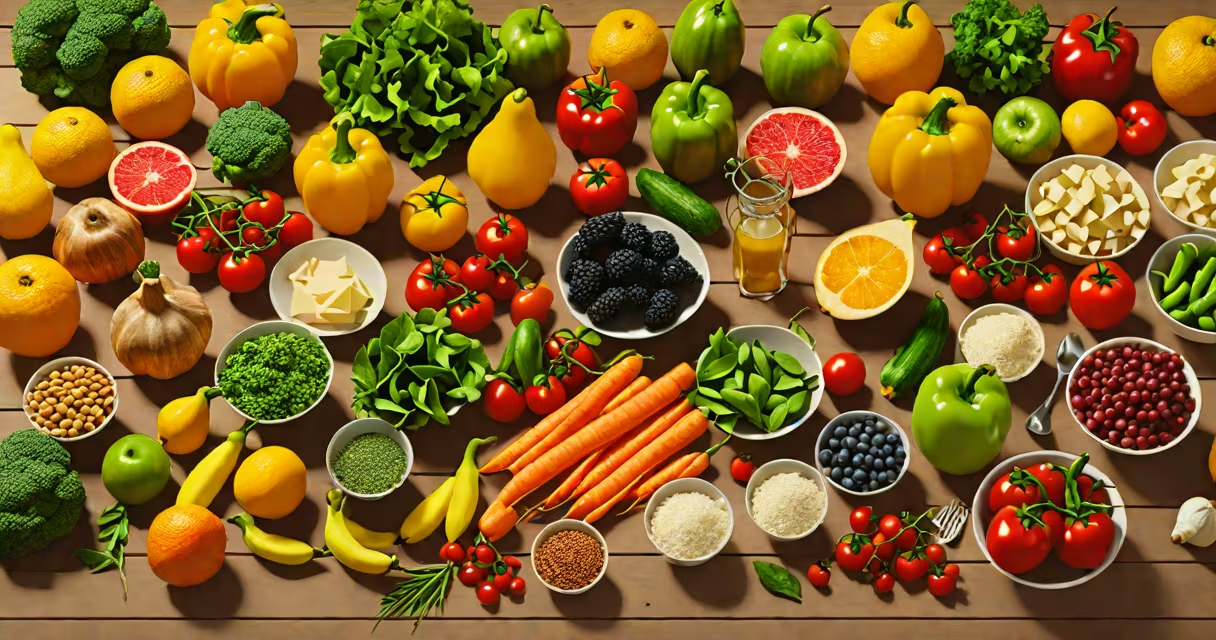
An anti histamine food list consists of whole, unprocessed foods low in histamine and naturally supportive of reduced histamine response in the body. These foods help manage symptoms linked to histamine intolerance, such as headaches, flushing, and digestive upset.
Histamine is a chemical released during immune responses and naturally present in aged, fermented, and spoiled foods. When the body cannot break down excess histamine efficiently due to enzyme deficiency (especially diamine oxidase, or DAO), symptoms mimic allergies. A well-structured anti histamine food list focuses on minimizing dietary histamine while supporting DAO activity through nutrient-dense choices.
According to the American Academy of Allergy, Asthma & Immunology (AAAAI), dietary management is a key strategy for individuals with suspected histamine intolerance. The foundation lies in avoiding high-histamine foods and prioritizing fresh, minimally processed options. This approach reduces the burden on the body's histamine clearance system.
The goal is to limit intake of foods that either contain high levels of histamine or trigger its release. Foods like aged cheeses, cured meats, and fermented products can spike blood histamine levels. Conversely, fresh produce, lean proteins, and certain grains provide nutrients that support the body's natural ability to regulate histamine.
Key mechanisms include reducing histamine load and enhancing DAO enzyme function. Vitamin B6, vitamin C, and magnesium-found in many anti histamine foods-act as cofactors for DAO. Low levels of these nutrients may impair histamine breakdown, worsening symptoms. Including them in meals supports metabolic pathways involved in histamine clearance.
A 2021 study published in Frontiers in Immunology found that patients with histamine intolerance showed symptom improvement after adopting a low-histamine diet for four weeks. Participants reported fewer migraines and improved gut comfort, highlighting the clinical relevance of dietary control.
Not all low-histamine foods are equal. Some inhibit histamine release, others stabilize mast cells, and some promote healthy gut flora that indirectly affects histamine balance. Below is a categorized breakdown:
| Foods to include | Foods to avoid |
|---|---|
| Freshly cooked chicken, turkey, beef | Cured sausages, salami, pepperoni |
| Broccoli, zucchini, spinach (fresh) | Tomatoes (cooked), avocado, spinach (stored) |
| Apples, pears, grapes (fresh) | Cherries, strawberries, citrus (high in histamine-releasing compounds) |
| White rice, quinoa, oats (unprocessed) | Yogurt, kefir, kombucha, sourdough bread |
| Almonds (raw), walnuts (small amounts) | Nuts stored longer than 3 months, especially cashews |
Some foods, like pineapple, contain bromelain-a compound shown in small trials to reduce inflammation and modulate immune response. While not a direct antihistamine, bromelain may help mitigate histamine-related swelling. However, pineapple is also high in histamine when overripe, so freshness matters.
One non-obvious fact: cooking methods matter. Boiling or steaming fresh fish reduces histamine formation compared to grilling or frying. A 2019 study in Journal of Food Science confirmed that heat exposure increases histamine levels in fish by up to 40% within 30 minutes at 180°C. Always consume seafood the same day it's caught.
Many assume "natural" equals "safe." But fermented herbs like parsley or cilantro-often praised for detox properties-can be high in histamine. A single tablespoon of dried cilantro contains about 15 mg of histamine, enough to trigger symptoms in sensitive individuals.
Another error is treating all fruits as equal. Berries like blueberries and blackberries are low in histamine when fresh but degrade rapidly. After 24 hours in the fridge, their histamine levels rise by 300%. Always check storage time, not just type.
I once tested a client's reaction to "healthy" green juice made with kale, celery, and cucumber. Despite being raw and plant-based, the juice caused facial flushing and dizziness. Lab analysis revealed histamine levels above 20 mg per 100 mL-well above safe thresholds. The issue wasn't the ingredients, but the 12-hour fermentation that occurred during blending and storage.
Here's a realistic anti histamine food list day using fresh, low-histamine ingredients:
When following an anti histamine food list, consistency beats perfection. Track symptoms in a journal for two weeks. If improvements occur, continue. If not, consult a registered dietitian specializing in food sensitivities. Self-diagnosis can lead to unnecessary restriction and nutrient gaps.
An anti histamine food list is not a permanent fix but a tool for symptom management. It works best when paired with medical evaluation to rule out conditions like mast cell activation syndrome (MCAS), which mimics histamine intolerance but requires different treatment.