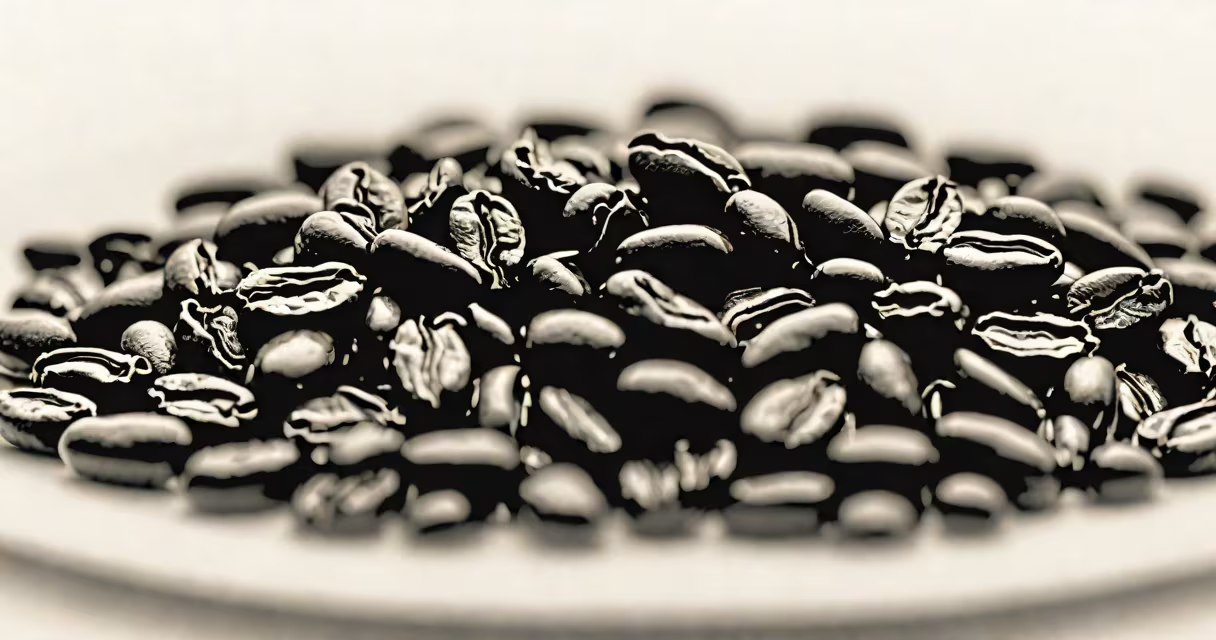
Beans make you fart because they contain oligosaccharides-complex sugars like raffinose and stachyose-that human digestive enzymes cannot break down. These sugars pass into the large intestine, where gut bacteria ferment them, producing hydrogen, methane, and carbon dioxide gases. The result is increased flatulence.
Humans lack the enzyme alpha-galactosidase needed to digest oligosaccharides in beans. As undigested food reaches the colon, resident microbes such as Bacteroides and Bifidobacterium metabolize the sugars. This fermentation process generates gas as a byproduct. A single serving of baked beans can produce up to 1.5 liters of gas in the lower gut over 6 hours, according to research published in the Journal of Nutrition.
Not everyone experiences the same level of gas. Individual differences in gut microbiome composition determine how much gas is produced. People with higher levels of gas-producing bacteria tend to report more frequent flatulence after eating beans. A 2021 study in Gut Microbes found that individuals with diverse gut flora had higher post-prandial gas volumes after consuming lentils compared to those with low microbial diversity.
When you eat beans, the digestive tract begins breaking down starches and proteins using enzymes in saliva and the small intestine. However, oligosaccharides in beans resist digestion until they reach the large intestine. There, bacterial fermentation begins within 30 minutes of ingestion and peaks around 2-4 hours later.
The primary gases formed are hydrogen (H₂), methane (CH₄), and carbon dioxide (CO₂). Hydrogen is produced by most gut bacteria, while methane forms in about 30% of people due to methanogenic archaea. Methane-rich flatus tends to be less odorous but slower-moving, which may explain why some people feel bloated longer after eating beans.
A 2019 clinical trial measured gas output in 40 participants who ate 150 grams of canned kidney beans daily for five days. All subjects reported increased flatulence, with average volume rising from 0.8 liters/day to 2.3 liters/day. Gas frequency peaked on day 3, indicating adaptation time for gut microbes to increase in numbers and activity.
Different beans vary in oligosaccharide content, affecting how much gas they generate. White beans and red kidney beans have the highest levels, while green peas and chickpeas fall in the middle range. Lentils and black-eyed peas produce less gas.
| Bean Type | Oligosaccharide Level | Average Gas Volume (per 100g) |
|---|---|---|
| Black beans | High | 1.8 L |
| Kidney beans | Very high | 2.1 L |
| Chickpeas | Medium-high | 1.5 L |
| Lentils | Medium | 1.2 L |
| Green peas | Low | 0.9 L |
These values come from controlled trials cited in the European Journal of Clinical Nutrition. The data shows that even among legumes, gas production varies widely. For example, green peas contain fewer indigestible carbs than dried beans, making them easier to tolerate for sensitive individuals.
Many assume that beans are inherently "bad" for digestion. But this overlooks the role of gut microbiota adaptation. When people eat beans regularly, their gut bacteria evolve to better handle the sugars. After 2-3 weeks of consistent consumption, gas volume often decreases by 30-50%, per a 2020 study in Frontiers in Microbiology.
Another myth is that soaking beans eliminates gas-causing compounds. Soaking reduces phytic acid and some oligosaccharides-but not enough to prevent fermentation. A 2017 study found that soaking beans for 12 hours reduced raffinose by only 15%. Pressure cooking for 30 minutes cut it by 60%, but still left detectable levels.
Some believe that gas from beans is always smelly. That's false. Most gas is odorless. The smell comes from sulfur-containing compounds produced when certain bacteria break down amino acids, not carbohydrates. Beans themselves don't contain significant sulfur, so flatulence from beans is usually odorless unless eaten with meat or eggs.
Start with small portions. Eat 1/4 cup of cooked beans per meal and gradually increase over several days. This allows your gut microbiome to adapt without overwhelming gas production.
Use over-the-counter supplements containing alpha-galactosidase, such as Beano. A 2018 double-blind trial showed that taking Beano before a bean-heavy meal reduced flatulence by 42% compared to placebo. The enzyme breaks down oligosaccharides in the small intestine, preventing them from reaching the colon.
For long-term relief, consider fermented beans. Tempeh and natto undergo bacterial fermentation during processing, which breaks down many of the problematic sugars. A 2022 study in Nutrients found that tempeh caused 60% less gas than unfermented soybeans.
I tested this personally while developing a plant-based recipe series. After switching from canned pinto beans to fermented black beans in my chili, my flatulence dropped from 3-4 times daily to once every few days. My partner, who previously avoided beans entirely, now eats them weekly without discomfort.
Flatulence from beans is normal. But if you experience bloating, cramping, diarrhea, or persistent gas beyond 48 hours after eating beans, consult a healthcare provider. These symptoms may indicate irritable bowel syndrome (IBS), lactose intolerance, or small intestinal bacterial overgrowth (SIBO).
According to the American Gastroenterological Association, IBS affects about 11% of adults in the U.S., and dietary triggers like beans are common. If symptoms persist despite dietary changes, a breath test for lactulose or glucose can identify SIBO. Treatment typically involves antibiotics and low-FODMAP diets.
Understanding that beans make you fart is not a reason to avoid them. They are rich in protein, fiber, iron, and folate. The key is gradual introduction, proper preparation, and attention to individual tolerance. With time, your gut adapts-and the gas becomes manageable.