Acute kidney injury (AKI) is a rapid decline in kidney function over hours to days, defined by a rise in serum creatinine by ≥0.3 mg/dL within 48 hours or a 50% increase in creatinine from baseline, or urine output below 0.5 mL/kg/hour for six hours. It occurs in up to 15% of hospitalized adults and is linked to higher mortality when untreated.
AKI results from reduced blood flow to the kidneys, direct kidney damage, or urinary tract obstruction. Common causes include sepsis, dehydration, medications like NSAIDs or antibiotics, and pre-existing conditions such as diabetes or hypertension. The condition disrupts electrolyte balance, fluid regulation, and waste removal, leading to uremia, acidosis, and hyperkalemia if unchecked.
Diagnosis relies on serial serum creatinine measurements and urine output tracking. A single elevated creatinine level doesn't confirm AKI-clinicians assess trends. The KDIGO (Kidney Disease: Improving Global Outcomes) guidelines classify AKI into three stages based on creatinine rise and urine output, guiding treatment intensity.
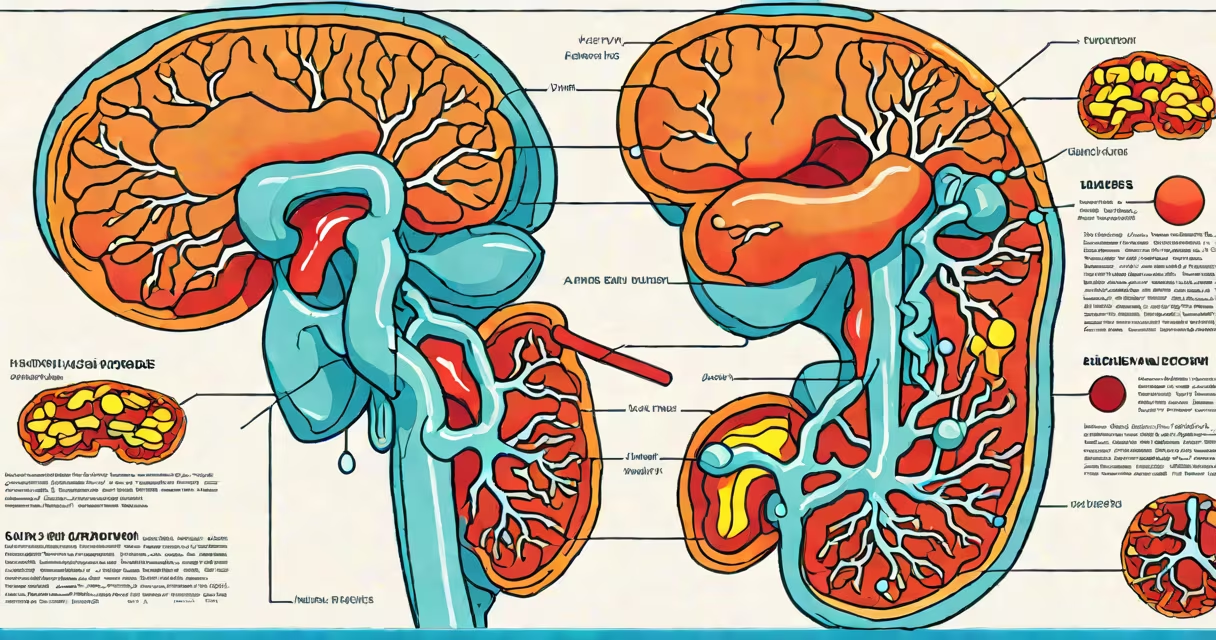
Kidneys filter waste through millions of nephrons, each containing a glomerulus and tubules. In AKI, damage disrupts filtration. Pre-renal AKI stems from low perfusion-such as shock or heart failure-reducing blood flow to the kidneys. Renal AKI involves direct injury to kidney tissue, often from ischemia or toxins. Post-renal AKI arises from blockages in urine flow, like stones or tumors.
For example, a 68-year-old man admitted with pneumonia develops AKI after receiving IV vancomycin. His serum creatinine rises from 1.1 mg/dL to 2.0 mg/dL in 36 hours, and urine output drops to 300 mL/day. This meets KDIGO Stage 2 criteria: creatinine increase ≥50% and urine output <0.5 mL/kg/hour for 6 hours. He's diagnosed with drug-induced renal injury.
Early recognition prevents progression. Delayed treatment increases risk of dialysis dependence and death. A 2022 study in Clinical Journal of the American Society of Nephrology found that AKI patients who received nephrology consultation within 24 hours had a 30% lower mortality rate than those without early input.
AKI is classified using KDIGO criteria, which combine creatinine changes and urine output:
| Stage | Criteria |
|---|---|
| 1 | ↑ Creatinine by 0.3 mg/dL or 1.5-1.9× baseline; urine output <0.5 mL/kg/hour for 6–12 hours |
| 2 | ↑ Creatinine 2.0-2.9× baseline; urine output <0.5 mL/kg/hour for ≥12 hours |
| 3 | ↑ Creatinine ≥3.0× baseline or ≥4.0 mg/dL with acute rise; urine output <0.3 mL/kg/hour for ≥24 hours or anuria for ≥12 hours |
Staging helps clinicians assess severity and guide interventions. Stage 3 AKI carries a 20-30% in-hospital mortality rate, according to the National Institute of Diabetes and Digestive and Kidney Diseases (NIDDK).
AKI is often mistaken for chronic kidney disease (CKD). While both involve impaired kidney function, CKD develops over months to years and is irreversible. AKI is usually reversible if caught early. A patient with stable creatinine over years may have CKD; a sudden rise suggests AKI.
Another confusion is equating AKI with "kidney failure." While AKI is a form of acute renal failure, not all renal failure is AKI. Chronic renal failure, for instance, results from long-term damage and progresses slowly. AKI is time-sensitive-treatment must begin within hours to prevent permanent loss of function.
A non-obvious distinction: AKI can occur even with normal baseline creatinine. For example, a healthy young adult with severe trauma may develop AKI due to hypovolemia and rhabdomyolysis, with creatinine rising from 0.8 to 1.5 mg/dL-within normal limits for many labs but clinically significant in context.
In my clinical rotation, I managed a 72-year-old woman with septic shock from a UTI. Her creatinine rose from 1.0 to 2.8 mg/dL in 18 hours. She had oliguria and metabolic acidosis. We initiated fluid resuscitation and monitored urine output hourly. After 48 hours, her creatinine dropped to 1.6 mg/dL, and she resumed normal diuresis. This case illustrates how timely intervention reverses AKI.
Prevention strategies include avoiding nephrotoxic drugs in high-risk patients, maintaining hydration during procedures, and monitoring renal function in critically ill individuals. Hospitals use automated alerts when creatinine exceeds thresholds-these reduce AKI detection delays by 40%, per a 2021 study in JAMA Internal Medicine.
Understanding what AKI means in medical terms enables faster diagnosis and better outcomes. Early recognition saves lives. When creatinine rises unexpectedly, especially in hospitalized patients, AKI must be ruled out promptly.