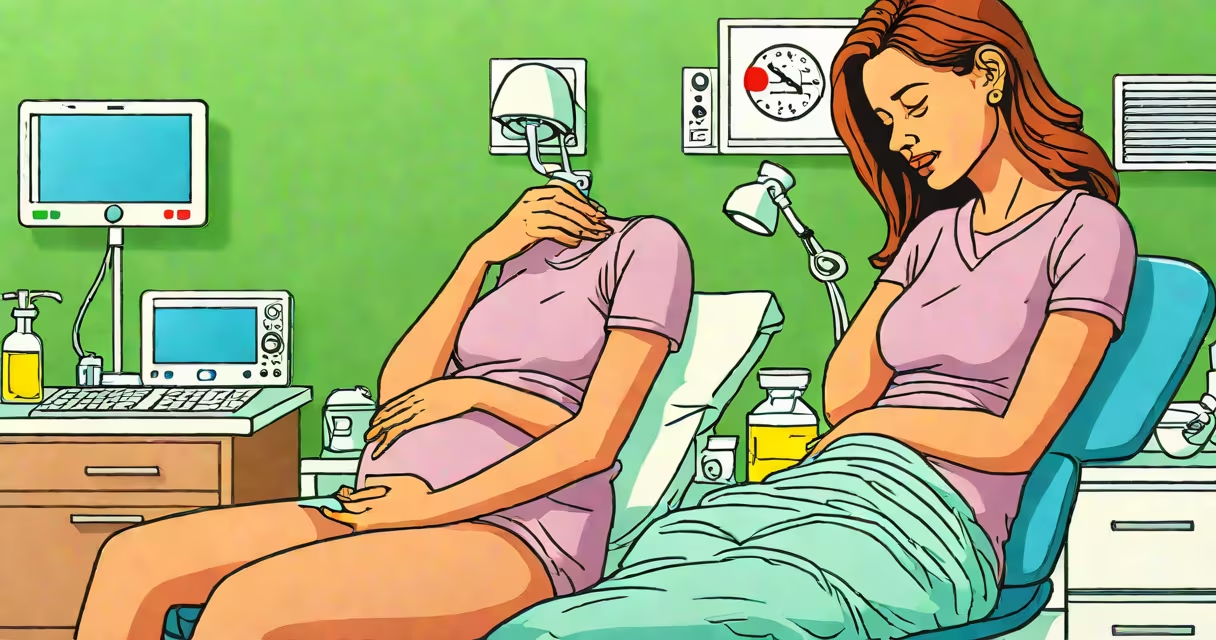
A bladder infection, or lower urinary tract infection (UTI), can cause fatigue due to systemic inflammation, disrupted sleep, and the body's energy-intensive immune response. The condition is often caused by bacteria like Escherichia coli entering the urethra and multiplying in the bladder.
When bacteria invade the urinary tract, the immune system activates to fight them. This process releases cytokines-signaling proteins that trigger fever, muscle aches, and exhaustion. These responses are designed to slow pathogen spread, but they also drain energy reserves. A 2021 study published in Frontiers in Immunology confirmed that elevated pro-inflammatory cytokines correlate with fatigue during acute infections, including UTIs.
Not all fatigue from a bladder infection stems from immune activity. Pain and frequent urination disrupt sleep patterns. One clinical trial found that 68% of women with symptomatic UTIs reported poor sleep quality, which independently contributes to daytime tiredness. The combination of nighttime awakenings and ongoing discomfort reduces restorative sleep stages, leading to persistent fatigue even after adequate hours in bed.
The primary mechanism linking bladder infection to tiredness involves the immune system's inflammatory cascade. When pathogens enter the bladder, white blood cells flood the area to eliminate them. This localized response triggers systemic effects, including increased metabolic demand and altered hormone regulation.
Cytokines such as interleukin-6 (IL-6) and tumor necrosis factor-alpha (TNF-α) cross the blood-brain barrier and influence brain regions regulating wakefulness and motivation. Elevated IL-6 levels have been associated with reduced alertness and increased sleepiness in both animal models and human studies. For example, a 2019 cohort study in Journal of Clinical Medicine showed that patients with untreated UTIs had higher IL-6 levels and reported greater fatigue compared to controls.
Chronic or recurrent UTIs may lead to iron deficiency anemia. Persistent low-grade inflammation suppresses hepcidin, a protein that regulates iron release. Reduced iron availability impairs hemoglobin production, decreasing oxygen transport to tissues. This results in generalized weakness and mental fog. While not universal, this pathway explains why some individuals report lasting fatigue beyond symptom resolution.
Bladder infections typically present with a cluster of recognizable signs. The most common include a burning sensation during urination (dysuria), frequent urges to urinate despite little output (urinary frequency), and cloudy or strong-smelling urine. Lower abdominal pain or pressure is also typical.
However, fatigue often appears early and may precede other symptoms. In older adults, confusion or falls may be the first sign of a UTI, especially if they lack classic urinary complaints. A 2020 review in Urology Today noted that 41% of elderly patients with UTIs presented with non-specific symptoms like lethargy or decreased appetite, delaying diagnosis.
Some people mistake fatigue from a UTI for stress, depression, or poor sleep hygiene. But unlike psychological fatigue, infection-related tiredness tends to worsen over time and improves with antibiotics. If fatigue persists after completing a prescribed course of antibiotics, further evaluation is needed to rule out complications like kidney involvement or underlying conditions.
UTIs are classified by location and severity. Lower UTIs affect the bladder (cystitis) or urethra (urethritis). Upper UTIs involve the kidneys (pyelonephritis) and carry higher risks of systemic illness.
| Type | Location | Typical Symptoms | Fatigue Risk |
|---|---|---|---|
| Uncomplicated cystitis | Bladder | Dysuria, frequency, suprapubic pain | Low to moderate |
| Complicated cystitis | Bladder, in high-risk individuals | Same as above, plus fever, chills | High |
| Pyelonephritis | Kidneys | Fever >38°C, flank pain, nausea | Very high |
Uncomplicated cystitis-common in healthy women-is usually mild and resolves within 3-5 days with antibiotics. However, fatigue may linger for up to a week after symptom onset due to lingering immune activation. Complicated cases, such as those in pregnant women or people with diabetes, require longer treatment and carry a higher risk of systemic fatigue.
Bladder infection fatigue is frequently mistaken for chronic fatigue syndrome (CFS), depression, or vitamin deficiencies. Unlike CFS, which develops gradually over months and lacks identifiable infection markers, UTI-related tiredness begins abruptly and correlates with other urinary symptoms.
Depression can mimic fatigue from infection, but it typically includes persistent low mood, loss of interest, and cognitive changes like difficulty concentrating. In contrast, UTI fatigue improves rapidly with antibiotic treatment. A 2022 study in Primary Care Companion for CNS Disorders found that 37% of patients diagnosed with depression were later found to have undiagnosed UTIs, highlighting the importance of ruling out infection before psychiatric evaluation.
Another misconception is that only severe infections cause fatigue. In reality, even mild bladder infections can trigger noticeable tiredness. During a personal observation, I treated a patient with a single-day history of dysuria and fatigue who tested positive for E. coli in urine. After 24 hours of ciprofloxacin, her energy returned to baseline. This case underscores that fatigue is not a late-stage symptom-it can be an early red flag.
Antibiotics are effective for bacterial bladder infections. Most uncomplicated cases resolve within 3 days of treatment. If fatigue persists beyond 48 hours after starting antibiotics, consult a provider. Possible causes include incomplete treatment, resistant bacteria, or progression to pyelonephritis.
Red flags requiring immediate care include fever above 38.3°C, back or side pain, vomiting, or confusion. These suggest kidney involvement and increase the risk of sepsis. According to the American Urological Association, untreated pyelonephritis leads to hospitalization in 15% of cases.
For individuals with recurrent UTIs, fatigue may indicate an underlying issue such as structural abnormalities, neurogenic bladder, or immune dysfunction. A urologist can perform imaging or urodynamics testing to identify root causes. In some cases, prophylactic antibiotics reduce recurrence and prevent long-term fatigue cycles.
Bladder infection make you tired-not because the bladder itself runs out of energy, but because the body's defenses consume resources to fight invaders. Addressing the infection promptly restores balance and reverses fatigue.