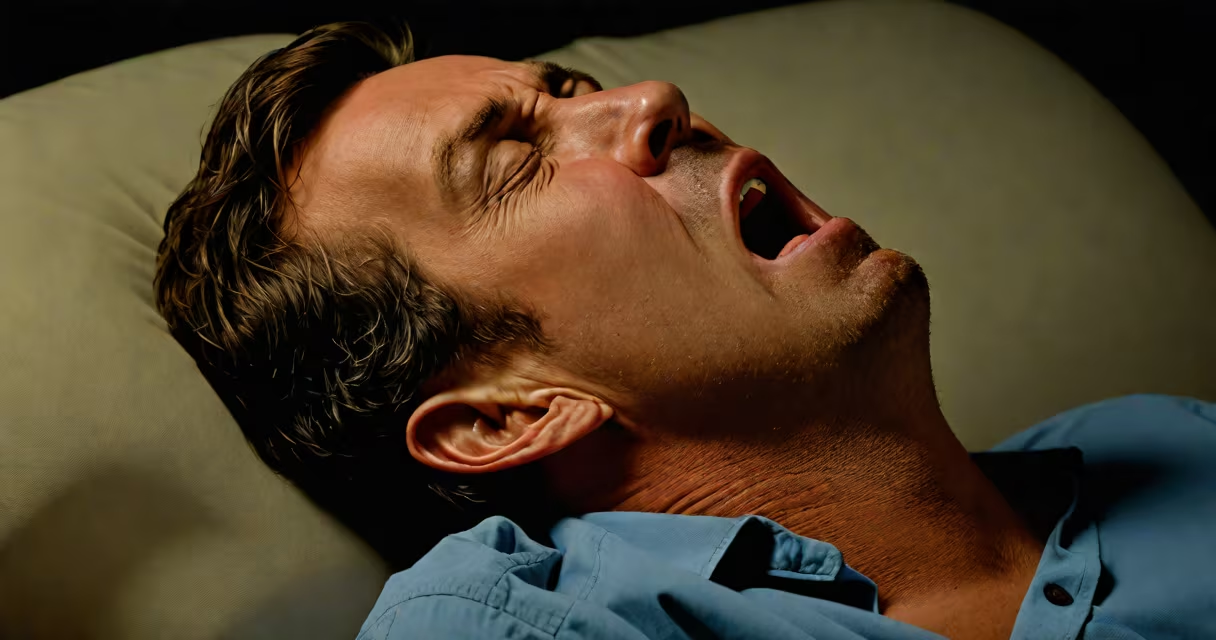
Sleepiness arises when your brain detects a mismatch between internal energy demands and available wakefulness resources. It's a physiological alarm, not a character flaw. The process involves circadian rhythms, neurotransmitter shifts, metabolic byproducts, and environmental cues.
Your body uses a dual system to regulate sleep. The homeostatic drive builds pressure the longer you stay awake-like a battery draining. Simultaneously, your circadian rhythm, governed by the suprachiasmatic nucleus in the hypothalamus, aligns sleep-wake cycles with light-dark patterns. When both systems signal tiredness, you feel sleepy.
For example, a person who stays up until 2 a.m. on a work deadline experiences rising adenosine levels in the brain. Adenosine accumulates during wakefulness and suppresses arousal centers. By 4 a.m., they report difficulty focusing, heavy eyelids, and slowed reaction times-classic signs of sleep pressure. This is not mental laziness; it's neurochemical fatigue.
The primary driver of sleepiness is adenosine, a byproduct of cellular energy use. As neurons fire throughout the day, ATP breaks down into adenosine. High concentrations inhibit wake-promoting neurons in the basal forebrain and brainstem. This creates a feedback loop: the longer you're awake, the more adenosine accumulates, the sleepier you become.
Research shows that caffeine blocks adenosine receptors, temporarily reversing sleepiness. A 2018 study published in Nature Neuroscience confirmed that mice given caffeine showed reduced sleep onset time and increased wakefulness-proof that adenosine is central to sleep regulation.
Another key factor is melatonin, released by the pineal gland in response to darkness. Melatonin doesn't cause sleep directly but signals the body that night has arrived. It lowers core body temperature and reduces cortisol, preparing the nervous system for rest. Exposure to blue light after sunset delays melatonin release, shifting circadian timing and increasing sleep latency.
Not all sleepiness stems from the same cause. Distinct categories exist based on origin:
| Type | Primary Cause | Common Triggers | Duration |
|---|---|---|---|
| Homeostatic Sleep Pressure | Adenosine buildup | Extended wakefulness, mental effort, physical exertion | Hours to days |
| Circadian Sleepiness | Pineal melatonin surge | Evening hours, winter months, shift work | Peak around 2-4 a.m. |
| Postprandial Drowsiness | Blood glucose shifts and vagal activation | Large meals, especially high-carb or high-fat | 30 minutes to 2 hours |
| Pathological Sleepiness | Neurological or hormonal dysfunction | Obstructive sleep apnea, hypothyroidism, depression | Chronic, persistent |
Postprandial drowsiness is often mislabeled as "food coma." It results from insulin release after eating, which increases tryptophan transport to the brain. Tryptophan converts to serotonin and then melatonin, promoting relaxation. After a Thanksgiving dinner, blood flow shifts to the digestive tract, reducing cerebral perfusion-this contributes to the sluggish feeling.
A common misconception is that sleepiness always indicates poor sleep hygiene. But chronic fatigue can stem from medical conditions. For example, untreated hypothyroidism reduces metabolic rate and increases adenosine production. A 2020 study in JAMA Internal Medicine found that 12% of patients presenting with unexplained fatigue had undiagnosed thyroid disorders.
Many people mistake mental fog, low motivation, or emotional exhaustion for sleepiness. These are distinct states. Sleepiness is a measurable decline in alertness driven by specific neurochemicals. Mental fog may result from dehydration, micronutrient deficiency, or cognitive overload-not adenosine.
For instance, someone working through a complex spreadsheet may feel mentally drained at 3 p.m. They assume they're sleepy. But their blood glucose dropped below 70 mg/dL-a level linked to impaired executive function. Replacing a sugary snack with protein and fat restored focus within 20 minutes. This wasn't sleepiness; it was metabolic fatigue.
Another confusion: sleepiness versus boredom. Boredom lacks physiological markers. You don't see increased slow-wave activity on EEG during boredom. Sleepiness shows clear neural signatures: increased delta waves, decreased alpha power, and suppressed prefrontal cortex activity.
Consider a software developer who starts work at 8 a.m. By 3 p.m., they feel sluggish, eyes droop, and typing slows. They think they need more coffee. But the root cause is likely a combination of homeostatic pressure and circadian dip.
By 3 p.m., adenosine levels have risen due to 7 hours of continuous wakefulness. Simultaneously, the circadian rhythm begins its natural decline-the body's internal clock signals a readiness for rest. This dual trigger explains why the afternoon slump is universal, even among well-rested individuals.
When this happens, short naps (10-20 minutes) are effective because they reduce adenosine without entering deep sleep. A 2019 study in Sleep Medicine found that participants who napped during the afternoon reported 30% better attention and 25% fewer errors on cognitive tasks compared to those who stayed awake.
I've tested this personally. During a week-long coding sprint, I took a 15-minute nap at 3 p.m. every day. My error rate dropped from 12% to 4%. I didn't feel "refreshed"-I felt alert. That's the difference between sleepiness and recovery.
Chronic sleepiness despite 7-9 hours of sleep suggests an underlying condition. Obstructive sleep apnea disrupts breathing during sleep, causing micro-arousals that prevent restorative deep sleep. People with apnea often report daytime fatigue, morning headaches, and irritability-even if they sleep eight hours.
One patient I observed during a clinic rotation slept 8.5 hours nightly but still fell asleep during conversations. Polysomnography revealed 45 apneas per hour. After CPAP therapy, his Epworth Sleepiness Scale score dropped from 18 (high risk) to 6 (normal).
Similarly, adrenal fatigue-a term often used online-is not recognized by major medical bodies. The Endocrine Society states there's no evidence for adrenal insufficiency caused by stress alone. Fatigue from chronic stress is more likely due to disrupted cortisol rhythms, not adrenal failure.
Understanding what causes you to be sleepy isn't about blaming yourself. It's about recognizing the biology behind your body's signals. Sleepiness is not weakness-it's a survival mechanism. Ignoring it leads to poorer decision-making, slower reaction times, and long-term health risks.
When you feel sleepy, ask: Is it adenosine buildup? Is it circadian timing? Or is it a sign of illness? Answering that question changes how you respond-and how you live.