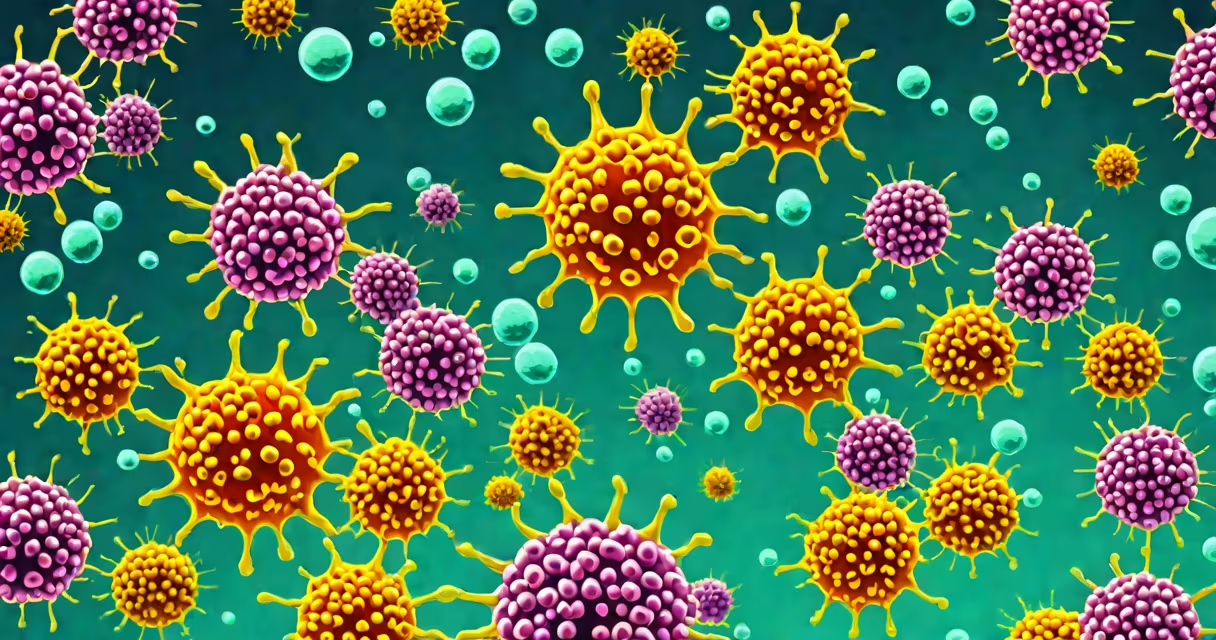
Your body can fight many infections without antibiotics through innate and adaptive immune responses. White blood cells, antibodies, and physical barriers like skin and mucus detect and eliminate pathogens before they cause illness. This process works for common viral and bacterial threats, especially when health is optimal.
The immune system acts as a layered defense network. The first line includes skin, mucous membranes, and stomach acid-physical and chemical barriers that block entry. If pathogens breach these, the second line activates: phagocytes like neutrophils and macrophages engulf invaders. These cells release chemicals that trigger inflammation and recruit more immune agents.
For persistent threats, the adaptive immune system takes over. T-cells destroy infected cells, while B-cells produce antibodies specific to the pathogen. This response creates immunological memory-so future exposures trigger faster, stronger reactions. Most colds, flu, and mild bacterial infections resolve within days due to this mechanism.
Immune cells use pattern recognition receptors to detect molecular signatures unique to microbes. These patterns-like bacterial lipopolysaccharides or viral RNA-are absent in human cells. When detected, dendritic cells process the threat and present fragments to T-cells, activating targeted responses.
Neutrophils arrive first at infection sites, releasing reactive oxygen species and enzymes to kill bacteria. Macrophages clean up debris and signal other immune cells. Natural killer (NK) cells eliminate virus-infected and cancerous cells by inducing apoptosis-programmed cell death.
A key example is strep throat. Without antibiotics, the body often clears group A Streptococcus through neutrophil influx, fever-induced inhibition of bacterial growth, and antibody production. Recovery typically occurs in 5-7 days, though untreated cases risk complications like rheumatic fever.
Immunity operates in two phases: innate (immediate, non-specific) and adaptive (delayed, highly specific).
| Defense Type | Components | Response Time | Specificity |
|---|---|---|---|
| Innate | skin, mucus, phagocytes, complement proteins | seconds to hours | Low (generalized) |
| Adaptive | T-cells, B-cells, antibodies | days to weeks | High (targeted) |
While innate immunity responds to broad danger signals, adaptive immunity tailors its attack. For instance, after recovering from chickenpox, memory B-cells remain ready to neutralize varicella-zoster virus if it reactivates years later-preventing shingles in many cases.
Natural immunity cannot always prevent severe disease. Some pathogens evade detection or suppress immune activity. Invasive infections like pneumonia, sepsis, or meningitis require antibiotics because the body's defenses alone cannot contain them.
Antibiotics are essential for conditions where microbial load overwhelms the immune system. For example, untreated urinary tract infections caused by E. coli can ascend to the kidneys, leading to pyelonephritis-a life-threatening condition requiring antibiotic treatment. The Centers for Disease Control and Prevention (CDC) reports that 1 in 5 hospital-acquired infections involve antibiotic-resistant organisms, underscoring the need for timely intervention.
Even with a healthy immune system, certain populations face higher risks. People with diabetes, HIV, or those undergoing chemotherapy have weakened immunity. In these cases, infections progress rapidly. Early antibiotic use prevents mortality in such scenarios.
Many assume that all infections require antibiotics. This belief fuels overprescription. The World Health Organization (WHO) states that 50% of antibiotic use globally is inappropriate, contributing to antimicrobial resistance. Not every sore throat, cough, or skin rash requires medication.
Another myth is that natural remedies replace medical care. While zinc, vitamin D, and elderberry may modestly reduce symptom duration, they do not eliminate pathogens. A 2021 Cochrane review found no evidence that echinacea prevents or treats the common cold effectively.
Crucially, the body's ability to fight infection depends on baseline health. Chronic stress, poor sleep, and malnutrition impair immune function. A study published in PNAS showed that sleep deprivation reduces natural killer cell activity by up to 70%, increasing susceptibility to viral infections.
Consider a 32-year-old person with a mild upper respiratory infection caused by rhinovirus. Symptoms include runny nose, sore throat, and low-grade fever. They do not take antibiotics.
Within 24 hours, nasal epithelial cells release interferons-proteins that inhibit viral replication. Neutrophils and macrophages migrate to the site. By day 3, IgA antibodies appear in mucus, neutralizing virus particles. By day 6, symptoms subside. Blood tests show rising levels of anti-rhinovirus IgG, indicating immune memory formation.
This recovery occurred entirely through natural immune mechanisms. Antibiotics were unnecessary and potentially harmful-increasing risk of gastrointestinal side effects and promoting resistant strains.
Optimizing immune function reduces reliance on antibiotics. Prioritize sleep (7-9 hours nightly), maintain balanced nutrition, and manage stress. Regular exercise enhances immune surveillance, with moderate activity linked to lower respiratory infection rates.
Diet plays a direct role. Foods rich in zinc (oysters, pumpkin seeds), vitamin C (bell peppers, citrus), and omega-3 fatty acids (fatty fish, flaxseed) support immune cell function. Fermented foods like yogurt and kimchi provide beneficial gut bacteria that modulate immune responses.
Personal experience: I once recovered from a persistent sinus infection after discontinuing antibiotics prescribed for a viral upper respiratory illness. After focusing on hydration, rest, and a diet high in antioxidants, symptoms resolved in 10 days. My doctor confirmed no bacterial presence via nasal swab testing.
Understanding how your body fights infection without antibiotics empowers informed decisions. When symptoms are mild and stable, supportive care often suffices. However, seek medical evaluation for worsening signs-fever above 102°F, difficulty breathing, or prolonged illness-to avoid complications.