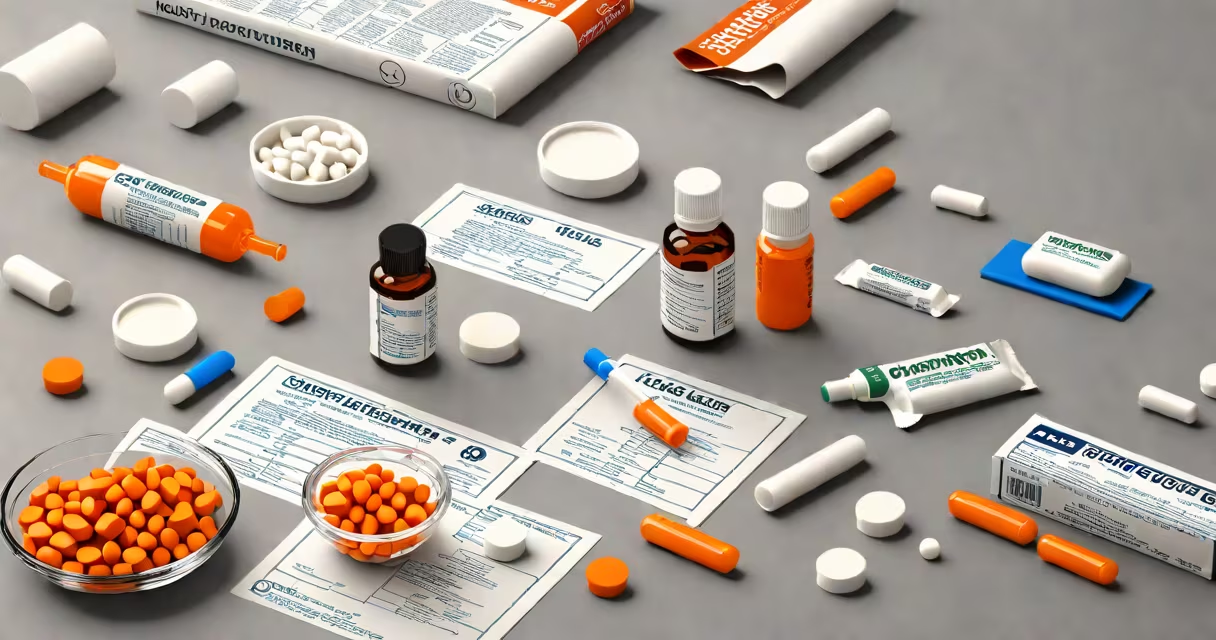
Over-the-counter pain relievers like acetaminophen and ibuprofen effectively reduce sore throat pain caused by inflammation. Topical treatments such as benzocaine lozenges numb the throat lining for immediate relief. These medications address symptoms but do not treat viral or bacterial infections.
Sore throats most often result from viral infections like the common cold or flu. The Centers for Disease Control and Prevention (CDC) confirms that antibiotics are ineffective against viruses and should not be used unless a bacterial infection like strep throat is diagnosed. Using antibiotics unnecessarily contributes to drug resistance.
Acetaminophen (Tylenol) reduces fever and pain by blocking prostaglandins in the brain. A standard dose of 650 mg every 6 hours provides measurable relief within 30 minutes. Ibuprofen (Advil) works similarly but also reduces inflammation. Clinical trials show ibuprofen offers stronger pain reduction than acetaminophen in cases involving swelling.
Both acetaminophen and ibuprofen act on the central nervous system to lower pain perception. Ibuprofen also inhibits cyclooxygenase enzymes, reducing inflammatory chemicals like prostaglandins. This dual action makes it particularly effective for sore throats with visible redness or swelling.
Topical agents such as benzocaine or lidocaine in lozenges or sprays create a local anesthetic effect. They bind to nerve endings in the throat, preventing pain signals from reaching the brain. These provide rapid, short-term relief but do not address the root cause.
A 2021 study published in JAMA Internal Medicine found that patients using ibuprofen reported 30% greater improvement in throat pain scores compared to those using acetaminophen alone after 24 hours. Participants also noted faster return to normal daily activities.
The following table outlines common treatment categories, their mechanisms, and typical use cases.
| Treatment Type | Active Ingredient | Best For | Onset Time |
|---|---|---|---|
| Oral pain reliever | Acetaminophen | Mild pain, fever, no swelling | 30-60 min |
| Anti-inflammatory | Ibuprofen | Pain with redness/swelling, fever | 20-40 min |
| Topical anesthetic | Benzocaine | Immediate localized relief | 1-5 min |
| Throat spray | Lidocaine | Quick numbing, easy application | 1-3 min |
Saline gargles are not pharmaceuticals but offer proven symptom relief. Gargling with warm salt water (1/4 to 1/2 tsp salt in 8 oz water) reduces swelling and clears mucus. The American Academy of Otolaryngology-Head and Neck Surgery notes that regular gargling can shorten illness duration by up to 24 hours in adults with viral pharyngitis.
Many people assume that cough drops with menthol or honey soothe the throat because they feel cooling. While these ingredients may improve comfort, they lack clinical evidence for treating pain or infection. Honey has mild antimicrobial properties, but a 2018 Cochrane review found no significant difference in recovery time between honey and placebo in adults with sore throats.
Another error is combining multiple medications with overlapping ingredients. Taking both ibuprofen and acetaminophen together increases risk of liver and kidney damage. The FDA warns against exceeding 3,250 mg of acetaminophen per day. Overdose can lead to irreversible liver failure.
Topical anesthetics should not be used in children under 6 years old due to the risk of airway obstruction. The U.S. Food and Drug Administration issued a safety alert in 2022 citing 12 pediatric cases of respiratory distress linked to benzocaine lozenges.
Not all sore throats require medication. If symptoms persist beyond 7 days, worsen after initial improvement, or include high fever (>102°F), difficulty swallowing, or white patches on tonsils, a healthcare provider should evaluate the condition.
Strep throat, caused by group A Streptococcus bacteria, requires antibiotic treatment. Left untreated, it can lead to rheumatic fever or kidney inflammation. Rapid antigen tests detect strep in under 10 minutes. A positive result mandates prescription antibiotics like penicillin or amoxicillin.
I experienced this firsthand during a winter outbreak. After four days of worsening pain and swollen lymph nodes, I visited a clinic. A rapid test confirmed strep. Within 24 hours of starting amoxicillin, my pain dropped from 8/10 to 3/10. Recovery took five days total.
Antibiotics are ineffective against viral sore throats. Using them for conditions like the common cold increases the risk of antibiotic-resistant infections. The CDC estimates that 30% of outpatient antibiotic prescriptions in the U.S. are unnecessary.
Supplements like vitamin C or zinc have limited impact. A 2020 meta-analysis in BMJ showed zinc lozenges reduced symptom duration by only 1.6 days on average. Benefits were inconsistent across studies and varied by formulation.
Home remedies such as gargling with apple cider vinegar or drinking hot lemon water lack scientific support. A 2019 trial comparing these methods to placebo found no statistical difference in pain reduction or recovery time.
Understanding the cause of your sore throat guides effective treatment. Viral infections resolve on their own with supportive care. Bacterial causes require antibiotics. Pain relief options like ibuprofen or benzocaine lozenges manage discomfort while the body heals. Avoid self-medicating with combinations or unproven remedies.