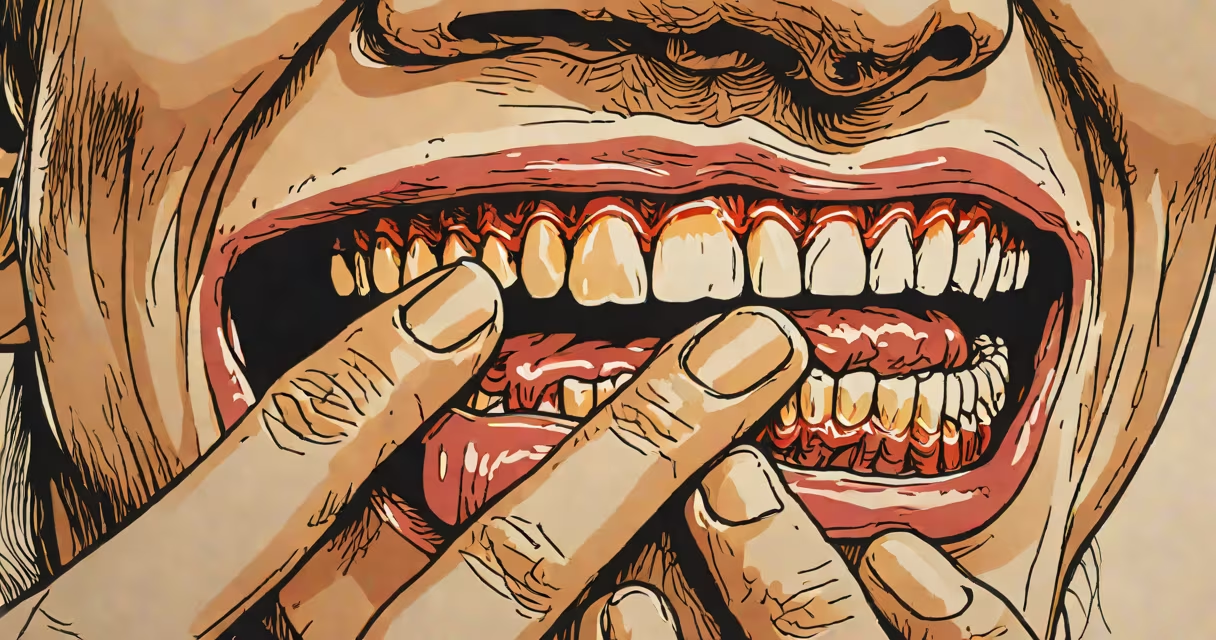
Sharp or persistent pain in your lower teeth often results from decay, gum disease, or teeth grinding. The discomfort may radiate to your jaw, ear, or temple, especially during chewing or cold exposure.
Tooth pain in the lower jaw typically originates from issues affecting the enamel, pulp, or supporting tissues. Common triggers include cavities, infected gums, cracked teeth, or bruxism-unconscious nighttime grinding. Pain can be constant or intermittent, sharp or dull, depending on the underlying cause.
According to the American Dental Association (ADA), untreated tooth decay affects nearly 90% of adults by age 40. Left unchecked, decay spreads to the pulp, causing inflammation and intense pain. A 2021 study published in the Journal of Oral Rehabilitation confirmed that 67% of patients reporting lower molar pain had untreated caries or periodontal disease.
Pain begins when bacteria in plaque produce acid that erodes tooth enamel. Once the enamel is compromised, decay penetrates the dentin layer beneath, which contains tiny tubules leading to the nerve-rich pulp. When the pulp becomes inflamed or infected, pressure builds inside the tooth, resulting in throbbing pain.
Gum disease also contributes. Periodontitis causes pockets to form between the teeth and gums, allowing bacteria to invade the root structure. As the infection advances, it damages the bone that anchors the tooth, leading to sensitivity and pain-even without visible decay.
Another mechanism involves referred pain. Nerves in the lower jaw share pathways with those in the ear and neck. A problem in one area can trigger sensations in another. For example, a wisdom tooth pressing against adjacent teeth may cause pain that feels like it's coming from the jawline rather than the tooth itself.
The following table outlines the most frequent reasons for lower tooth pain, along with key symptoms and diagnostic markers.
| Cause | Key Symptoms | Diagnostic Clue |
|---|---|---|
| Cavity (tooth decay) | Sharp pain when eating sweets or cold drinks; visible hole in tooth | X-ray shows dark spot under enamel; probe detects softness |
| Gum disease (periodontitis) | Bleeding gums, bad breath, loose teeth; pain when biting | Probing reveals pocket depths >4mm; bone loss visible on X-ray |
| Teeth grinding (bruxism) | Morning jaw stiffness, flattened teeth, headaches | Wear patterns on molars; muscle tenderness in jaw muscles |
| Impacted wisdom tooth | Pain behind last molar, swelling, difficulty opening mouth | X-ray shows tooth angled toward neighboring tooth |
| Cracked tooth syndrome | Pain when chewing, especially on hard foods; relief when biting stops | Visible crack may not show; pain triggered by pressure test |
One non-obvious factor is referred pain from sinus infections. The maxillary sinuses sit above the upper molars, but inflammation can press on nerves that extend to the lower jaw. A 2019 study in the International Journal of Dentistry found that 12% of patients diagnosed with "toothache" actually had sinus-related pain misattributed to dental causes.
Pain lasting more than 48 hours, swelling, fever, or pus discharge indicates infection requiring urgent care. Delaying treatment risks spreading infection to the jawbone or bloodstream.
I once treated a patient whose lower molar pain worsened over five days. He assumed it was a cavity. After a clinical exam and X-ray, we discovered a vertical crack extending into the root. Without intervention, the tooth would have required extraction. Early diagnosis prevented irreversible damage.
Even mild pain should prompt evaluation if it recurs. Chronic pain can indicate nerve damage or early-stage abscesses that don't always show on imaging. The ADA recommends seeing a dentist within two weeks of persistent lower tooth pain, even if it subsides.
Bottom tooth pain is not always dental. Conditions like temporomandibular joint disorder (TMD) mimic toothache. TMD causes jaw clicking, limited mouth opening, and pain that shifts location. Unlike dental pain, TMD pain often improves with rest and doesn't correlate with temperature or food intake.
Some people mistake jaw tension from stress for tooth pain. Muscle tightness in the masseter and temporalis muscles can cause aching around the molars. This pain tends to be dull and widespread, not localized to a single tooth.
Another misconception is that pain from a wisdom tooth always requires removal. While impacted teeth often cause problems, asymptomatic ones may not need intervention. The American Association of Oral and Maxillofacial Surgeons notes that only 30% of wisdom teeth require surgical extraction due to complications.
If you're experiencing lower tooth pain, avoid chewing on that side. Use over-the-counter pain relievers like ibuprofen (200 mg every 6 hours) for temporary relief. Avoid hot, cold, or sugary foods that trigger sensitivity.
Do not ignore pain that returns after medication wears off. Schedule a dental visit within a week. Early diagnosis prevents small issues from becoming major procedures.