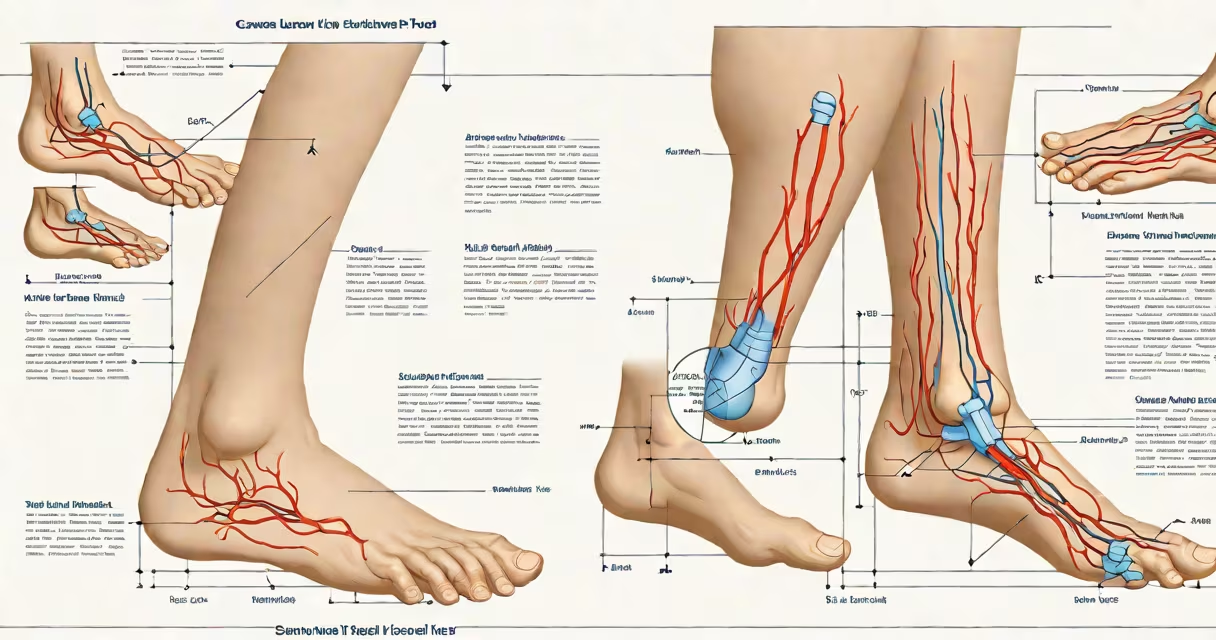
Swelling in the lower legs and feet results from excess fluid accumulating in tissues, often due to circulatory, cardiac, renal, or lymphatic system dysfunction. This condition, known medically as peripheral edema, typically appears in the ankles, feet, and lower legs.
Fluid builds up when blood vessels leak or when the body's drainage systems fail. Common triggers include prolonged standing, injury, medication side effects, or underlying health conditions. Swelling may be mild and temporary or severe and persistent, depending on the root cause.
When swelling is sudden, asymmetrical, or accompanied by pain, redness, or warmth, it may indicate a serious issue such as deep vein thrombosis (DVT) or infection. Prompt evaluation is essential to rule out life-threatening conditions.
Swelling occurs when fluid moves from blood vessels into surrounding tissues. Normally, capillaries filter fluid into tissues and return it via veins and lymphatics. When this balance breaks down, fluid pools in the lower extremities due to gravity.
Increased capillary pressure forces fluid out. Causes include high blood pressure in veins (venous hypertension), low protein levels in blood (hypoalbuminemia), or damaged lymphatic vessels. The result is visible puffiness, tight skin, and sometimes indentations when pressed (pitting edema).
For example, a person who stands for eight hours daily may develop morning swelling that resolves after sitting. But someone with chronic venous insufficiency may have persistent swelling, skin discoloration, and varicose veins.
Conditions causing lower leg and foot swelling fall into several categories based on physiology:
| Type | Primary Cause | Key Features | Common Triggers |
|---|---|---|---|
| Venous | Impaired venous return | Pitting edema, leg heaviness, varicose veins | Prolonged standing, DVT, post-surgical recovery |
| Cardiac | Right-sided heart failure | Progressive bilateral swelling, orthopnea, fatigue | Hypertension, coronary artery disease |
| Renal | Reduced kidney filtration | Bilateral pitting edema, foamy urine, elevated creatinine | Chronic kidney disease, nephrotic syndrome |
| Lymphatic | Lymph node damage or obstruction | Non-pitting, firm swelling, skin thickening | Surgery, radiation, filariasis (in endemic areas) |
| Medication-induced | Drug side effect | Onset within days to weeks, reversible upon discontinuation | Calcium channel blockers, NSAIDs, steroids |
Each type responds differently to treatment. Venous edema improves with compression stockings and elevation. Cardiac edema requires diuretics and management of heart function. Renal edema demands monitoring of electrolytes and kidney function.
A non-obvious distinction: swelling from heart failure typically begins in the legs and spreads upward, while renal edema often starts around the eyes and progresses downward. This pattern helps clinicians narrow the diagnosis.
Many assume swelling is always harmless or simply "water weight." That's incorrect. Swelling can signal early-stage heart or kidney disease-conditions that progress silently until symptoms worsen.
Another misconception: swelling only affects older adults. While age increases risk, younger people can develop edema from pregnancy, trauma, or autoimmune disorders like lupus. A 28-year-old woman with sudden bilateral ankle swelling was later diagnosed with antiphospholipid syndrome-a clotting disorder causing vascular leakage.
Red flags include sudden onset, unilateral swelling, fever, skin changes (redness, warmth), or shortness of breath. These suggest DVT, infection, or pulmonary embolism. One patient developed a swollen left calf after a long flight, later confirmed to have DVT via ultrasound.
Swelling that doesn't improve after 48 hours of rest, elevation, and reduced salt intake warrants medical evaluation. Self-diagnosis delays treatment and risks complications like skin ulcers or cellulitis.
Swelling lasting more than a few days, worsening over time, or affecting both legs symmetrically should prompt a visit to a primary care provider. A physical exam, blood tests (including BNP for heart strain and creatinine for kidneys), and imaging (like Doppler ultrasound) may be needed.
I once observed a patient with unexplained bilateral foot swelling who had normal blood pressure and no history of heart disease. Further testing revealed early-stage diabetic nephropathy-kidney damage from undiagnosed diabetes. After diagnosis, managing blood sugar reduced swelling.
Other systemic conditions-such as hypothyroidism or liver cirrhosis-can also cause edema. In one study, 12% of patients with unexplained leg swelling had subclinical thyroid dysfunction.
Understanding the root cause of lower leg and foot swelling enables effective treatment. Ignoring it risks permanent tissue damage, impaired mobility, and increased hospitalization rates.