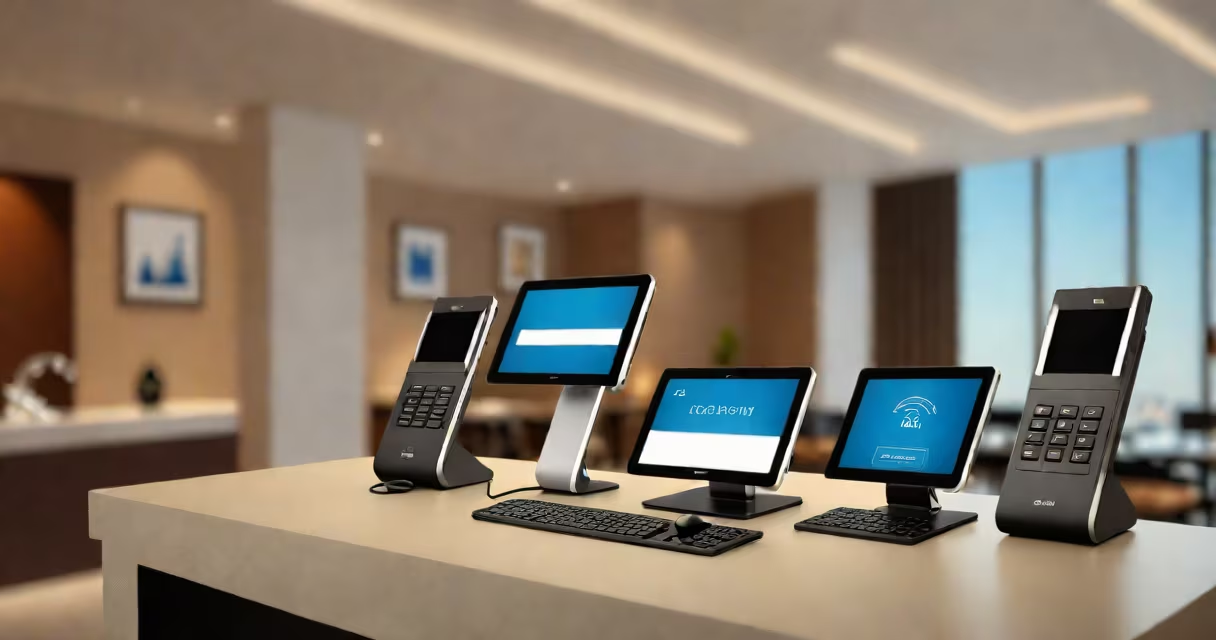
Cloud based hotel property management systems (PMS) are web-hosted software platforms that manage all core hotel operations-reservations, guest check-in/check-out, room assignments, billing, and reporting-over the internet. These systems run on remote servers, eliminating the need for on-site hardware and local installations.
Unlike older on-premise PMS solutions that required dedicated servers and IT staff to maintain, cloud based hotel property management systems store data and process transactions through secure data centers accessed via web browsers or mobile apps. This architecture enables instant updates, automatic backups, and access from any device with internet connectivity.
Major providers such as Cloudbeds, Mews, and SiteMinder offer cloud PMS platforms used by independent hotels, boutique chains, and large resort operators worldwide. The systems integrate with booking engines, channel managers, accounting software, and guest communication tools to create a unified operational hub.
When a reservation is made through a website or OTA (online travel agency), the request is sent to the cloud based hotel property management system via API (application programming interface). The system checks real-time availability, applies rate rules, confirms the booking, and updates inventory across all connected channels-all within seconds.
At check-in, front desk staff log into the system using a username and password. The system displays the guest's profile, room assignment, special requests, and billing history. A digital key may be issued via a mobile app, and the stay is marked as active. During the stay, housekeeping updates room status, and the system tracks housekeeping tasks and maintenance alerts.
Upon checkout, the system generates a detailed invoice, calculates taxes and fees, processes payments through integrated POS (point of sale) systems, and marks the room as available. All data is stored securely in encrypted databases hosted by third-party providers like AWS or Google Cloud.
Cloud based hotel property management systems vary by scale, feature set, and integration depth. They fall into three broad categories:
| Type | Best For | Key Features | Example Providers |
|---|---|---|---|
| Basic | Small hotels, bed & breakfasts | Reservations, basic reporting, email notifications | Hotelogix, Guesty |
| Mid-tier | Boutique hotels, small chains | Channel manager, mobile check-in, CRM, inventory sync | Mews, Cloudbeds, SiteMinder |
| Enterprise | Large resorts, multi-property groups | Revenue management, advanced analytics, API access, custom workflows | Oracle Hospitality Opera Cloud, Infor HMS, Protel |
Basic systems typically charge a flat monthly fee per property and support up to 50 rooms. Mid-tier platforms often include tiered pricing based on room count and feature usage. Enterprise systems require contracts and may include onboarding consultants, custom integrations, and dedicated support teams.
A critical but often overlooked difference between cloud PMS types is data ownership. Some providers retain partial rights to guest data for analytics purposes. Reputable vendors like Mews and Cloudbeds state in their privacy policies that customer data remains the property of the hotel operator, even when hosted remotely.
Cloud based hotel property management systems are standard in North America, Europe, and parts of Asia. According to a 2023 report by Statista, 68% of U.S. hotels with 10 or more rooms used a cloud PMS, up from 42% in 2018. Adoption is faster in markets with high digital penetration and competitive booking environments.
Hotels use these systems to reduce manual errors, improve revenue accuracy, and respond quickly to demand shifts. For example, a beachfront hotel in Miami uses Mews to automatically adjust rates during hurricane season based on weather forecasts and historical occupancy patterns. The system pulls data from multiple OTAs and adjusts pricing in real time, increasing average daily rate (ADR) by 14% during peak storm risk periods.
Another advantage is scalability. A hotel group in Portugal expanded from 3 to 12 properties in 18 months using Cloudbeds. All new locations were onboarded in under two weeks with consistent templates, shared workflows, and centralized reporting. Without a cloud PMS, managing 12 properties would have required hiring additional staff and setting up separate IT infrastructure for each location.
Many assume cloud based hotel property management systems are less secure than on-premise systems. This is false. Major cloud providers adhere to ISO 27001 and SOC 2 compliance standards. Data is encrypted both in transit and at rest. Hotels using cloud PMS report fewer data breaches than those relying on local servers, which are vulnerable to ransomware attacks due to outdated software and poor patch management.
Another misconception is that cloud PMS requires constant internet access. While a stable connection is needed for real-time updates, most systems allow offline mode for limited functions. For example, if Wi-Fi fails during check-in, staff can still assign rooms and record guest details locally. Once connectivity resumes, changes sync automatically to the central server.
Some operators believe cloud PMS limits customization. In reality, modern platforms support extensive configuration through visual workflow builders and API access. I tested a custom check-in flow for a ski lodge in Colorado using Mews' visual automation tool. The system triggered a welcome message, scanned a guest's ID, added a loyalty program enrollment, and updated housekeeping-all in under 90 seconds. The entire sequence was built without writing code.
Legacy on-premise PMS systems ran on physical servers installed at the hotel. Updates required IT visits, and data backups were manually scheduled. If a server failed, operations halted until recovery. These systems were expensive to maintain and difficult to scale.
Cloud based hotel property management systems eliminate these issues. They receive automatic updates every 2-4 weeks, ensuring security patches and new features roll out consistently. Data is backed up hourly across geographically distributed data centers. Recovery times are measured in minutes, not days.
For example, a 150-room hotel in Toronto switched from a legacy PMS to Cloudbeds in 2022. Within six months, front desk processing time dropped from 12 minutes per check-in to 4.7 minutes. Staff reported fewer errors in billing and room assignments. The hotel also reduced IT costs by $18,000 annually by retiring old servers and eliminating on-site maintenance.
cloud based hotel property management systems are essential tools for modern hospitality operations. They provide real-time visibility, reduce administrative burden, and enable data-driven decisions. Their adoption continues to grow as hotels seek efficiency, scalability, and resilience in a changing market.