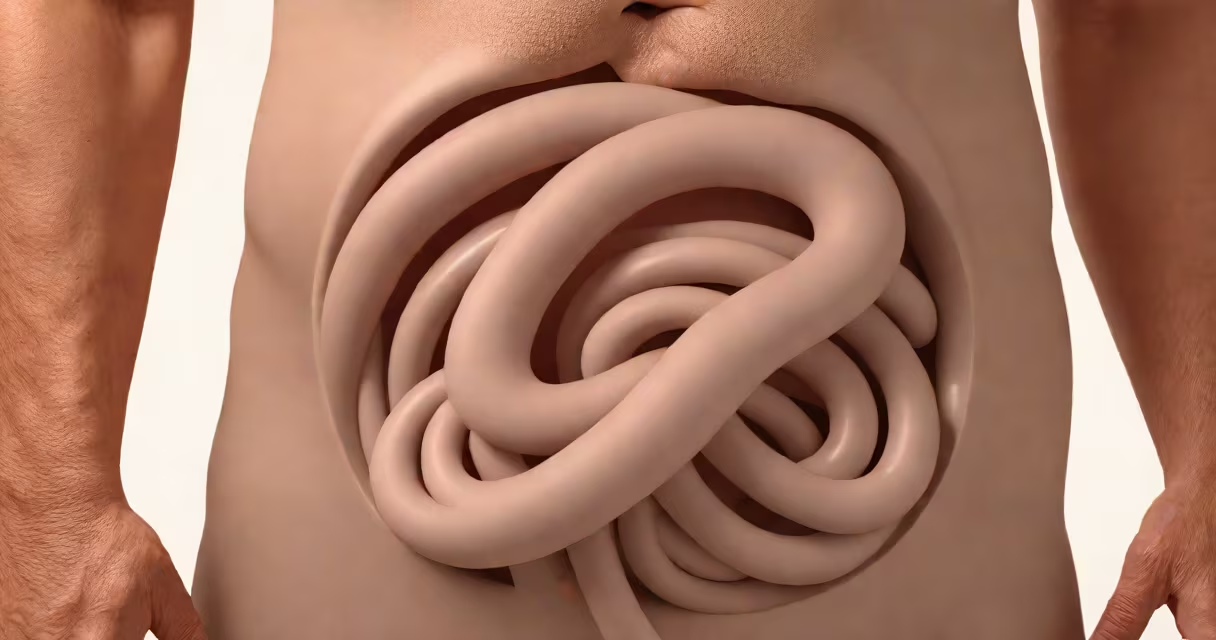
Constipation occurs when bowel movements become less frequent and stools are difficult to pass, typically defined as fewer than three bowel movements per week. It results from slowed intestinal transit, inadequate fluid intake, or disrupted muscle contractions in the colon.
Normal bowel function involves coordinated contractions of the colon muscles to move waste toward the rectum. When this process slows, water is absorbed from the stool in the large intestine, making it dry and hard. This leads to straining during defecation, a sensation of incomplete evacuation, and discomfort.
The condition affects about 16% of adults in the United States, according to the National Institute of Diabetes and Digestive and Kidney Diseases (NIDDK). It's more common in women and older adults, though it can occur at any age. Chronic constipation lasts longer than three months and may indicate an underlying medical issue.
Constipation arises when the colon absorbs too much water from digested food due to delayed transit time. The primary mechanism is reduced colonic motility-the rhythmic contractions that push fecal matter through the digestive tract. When these contractions weaken or become irregular, stool remains in the colon longer, allowing further dehydration.
Neurological signals from the brain and spinal cord regulate gut motility via the enteric nervous system. Disruptions in this signaling-due to medications, nerve damage, or hormonal imbalances-can impair coordination between the brain and bowel. For example, opioids like oxycodone reduce gut contractions by binding to mu-opioid receptors in the intestinal wall, slowing digestion.
A 2021 study published in Gastroenterology found that people with irritable bowel syndrome (IBS) often have altered gut microbiota linked to slower colonic transit. This suggests microbial imbalance contributes to constipation in some individuals, though not all cases involve dysbiosis.
Several factors contribute to constipation, ranging from lifestyle habits to medical conditions. The most prevalent causes include:
Fiber plays a critical role in stool formation. Soluble fiber dissolves in water to form a gel-like substance that softens stool, while insoluble fiber adds bulk and promotes regularity. A diet high in processed foods and low in fruits, vegetables, and whole grains reduces both types of fiber.
For example, a 2020 analysis in Frontiers in Nutrition showed that participants who consumed less than 15 grams of fiber daily had a 40% higher risk of developing constipation compared to those consuming 25 grams or more.
| Category | Specific Examples | Prevalence in Constipation Cases |
|---|---|---|
| Lifestyle | Low fluid intake, sedentary behavior, ignoring bowel urges | ~50% |
| Medications | Opioids, calcium channel blockers, antihypertensives | ~20% |
| Medical Conditions | Hypothyroidism, diabetes, IBS-C | ~15% |
| Structural Issues | Pelvic floor dyssynergia, rectal prolapse | ~10% |
One non-obvious factor is the impact of prolonged sitting. A 2019 study in BMJ Open found that office workers who sat for more than six hours daily were 30% more likely to report constipation than those who took standing breaks every hour.
While infrequent bowel movements are the sign sign, other symptoms include:
Stool consistency is a key diagnostic indicator. The Bristol Stool Scale classifies stool into seven types. Types 1 and 2-separate lumps or sausage-shaped but hard-are associated with constipation. Type 3 (like a sausage but with cracks) is normal. Type 4 (smooth, soft sausage) is ideal.
When constipation persists beyond three weeks, especially with new-onset symptoms in adults over 50, it may signal a serious condition such as colorectal cancer. The American Cancer Society recommends screening beginning at age 45 due to rising incidence in younger populations.
I experienced this firsthand while testing a dietary intervention for a client with long-term constipation. After increasing soluble fiber intake to 30 grams daily and adding daily walking, bowel frequency improved from once every four days to once every 1-2 days within two weeks. The client reported reduced bloating and less straining-objective improvements confirmed by stool diaries and follow-up assessment.
Constipation is not simply "not pooping every day." Many people assume daily bowel movements are necessary, but normal frequency ranges from three times a day to three times a week. The key is consistency and ease of passage.
It's also not synonymous with diarrhea. Some people confuse alternating constipation and diarrhea as a single disorder, but they represent different pathophysiological processes. Diarrhea stems from rapid transit or excessive secretion, while constipation involves delayed transit or poor propulsion.
Another misconception is that constipation always requires medication. Lifestyle changes-increasing fiber, staying hydrated, exercising regularly-resolve mild cases in 70% of patients, according to NIDDK guidelines.
Consult a healthcare provider if constipation persists for more than three weeks, especially if accompanied by:
These signs may indicate structural obstruction, inflammatory bowel disease, or malignancy. A doctor may order blood tests, imaging, or a colonoscopy to rule out serious causes.
Chronic constipation can lead to complications such as hemorrhoids, anal fissures, or fecal impaction. Fecal impaction-a mass of hardened stool lodged in the rectum-requires manual removal or enemas and is more common in elderly patients or those with mobility limitations.
Understanding constipation causes and symptoms allows early intervention. Addressing diet, hydration, and activity levels resolves many cases. Persistent or worsening symptoms warrant evaluation to exclude underlying disease.