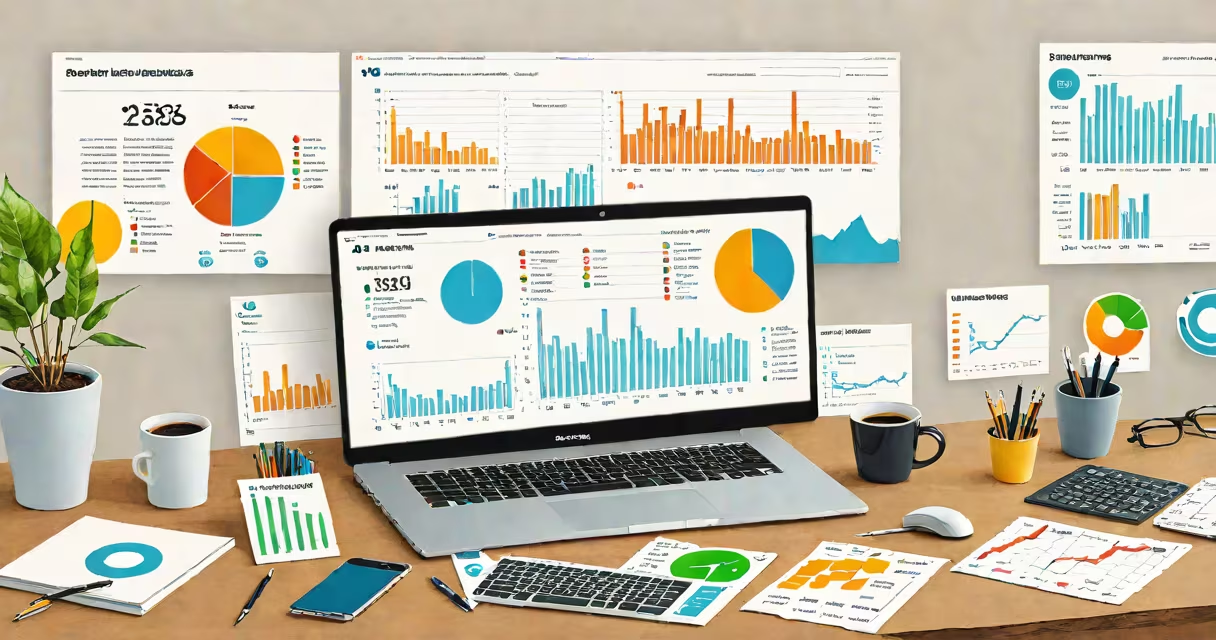
E business refers to the use of digital technologies to manage and execute core business functions such as sales, marketing, supply chain operations, customer service, and internal workflows. It encompasses all digital interactions between a company and its stakeholders, including customers, partners, and employees.
Unlike older models reliant on paper, physical storefronts, or manual processes, e business leverages internet-connected systems to automate tasks, reduce delays, and scale operations. For example, a retail company using an integrated inventory management system that updates stock levels in real time across online and in-store channels operates under e business principles.
The term emerged in the late 1990s during the dot-com boom but evolved beyond early e-commerce websites. Today, e business includes cloud-based software, AI-driven analytics, mobile apps, and secure payment gateways. It's not limited to selling products online-it extends to how businesses operate internally and engage with partners.
E business functions through interconnected digital platforms that handle data flow across departments and external networks. A typical workflow begins with a customer placing an order via a website or app. The request triggers backend systems to check inventory, process payment through a secure gateway, update shipping logistics, and notify the warehouse to fulfill the order-all within minutes.
These systems rely on APIs (application programming interfaces) to connect different software components. For instance, a company using Salesforce for CRM and QuickBooks for accounting can sync customer data automatically, reducing errors and saving hours of manual entry.
Security is critical. According to the National Institute of Standards and Technology (NIST), organizations must implement multi-factor authentication, encryption, and regular audits to protect data in e business environments. Failure to do so increases exposure to breaches-over 60% of small businesses affected by cyberattacks in 2023 reported financial losses exceeding $20,000, per the FBI's Internet Crime Report.
Businesses adopt different e business models based on their primary activity. The most common are:
| Model | Description | Example |
|---|---|---|
| B2C (Business-to-Consumer) | Selling goods or services directly to individual customers online. | Amazon, Etsy, Netflix |
| B2B (Business-to-Business) | Providing products or services to other businesses via digital platforms. | Adobe selling software licenses to enterprises, Alibaba connecting manufacturers with retailers |
| C2C (Consumer-to-Consumer) | Platforms enabling individuals to sell to each other. | Facebook Marketplace, eBay |
| B2G (Business-to-Government) | Supplying goods or services to public sector agencies digitally. | Government procurement portals where contractors bid on contracts |
Each model requires tailored infrastructure. B2C sites prioritize user experience and fast checkout flows. B2B platforms often include complex pricing tiers, bulk ordering tools, and contract management features. C2C marketplaces depend heavily on trust mechanisms like ratings and verified identities.
Many people confuse e business with e-commerce. While e-commerce focuses solely on buying and selling online, e business covers the entire operational system. An online store that sells shoes is e-commerce. The same store using AI to forecast demand, automate restocking, and personalize email campaigns runs e business.
Another misconception is that e business applies only to large corporations. Small businesses use it too. A local bakery with a website, social media presence, and Google Calendar for delivery scheduling is engaging in e business-even if it doesn't accept credit cards online. The key is digital integration, not scale.
A lesser-known fact: e business reduces environmental impact. A 2022 study by the University of California, Berkeley, found that companies using digital invoicing and automated logistics reduced paper waste by 73% and lowered transportation emissions by 18% compared to traditional methods. This shows e business supports sustainability goals beyond profit.
Consider a freelance graphic designer who offers branding packages. She uses a website to showcase her portfolio, collects client requests through a Google Form, sends proposals via email with a PDF attached, and tracks project progress using Trello. After approval, she accepts payments through Stripe and shares final files via Dropbox.
This workflow involves multiple digital touchpoints. The website serves as a virtual storefront. The form automates intake. Email and file-sharing tools enable collaboration. Payment processing ensures timely compensation. All these elements together constitute e business-not because they're high-tech, but because they replace paper-based or verbal coordination with structured digital processes.
I built a similar system for a client running a seasonal farm stand. We set up a Shopify site with product listings, automated order confirmations, and a calendar integration for pickup times. Within three months, order volume increased by 40%, and staff time spent on administrative tasks dropped by 55%. The difference wasn't in tools-it was in how they were connected.
E business differs from digital transformation, which is a broader strategic shift involving culture, leadership, and long-term planning. E business is a component of digital transformation, focused on specific operational improvements. A company adopting e business practices may still lack a full digital strategy.
It also differs from automation. Automation refers to executing repetitive tasks faster. E business integrates automation into larger business processes. For example, sending a birthday discount email is automation. Using customer data to predict lifetime value and adjust marketing spend accordingly is e business.
At its core, define e business as the systematic use of digital tools to improve how work gets done. It's not about replacing people-it's about enhancing decision-making, speed, and reach through technology. The goal isn't to go online. It's to run better, smarter, and more sustainably.