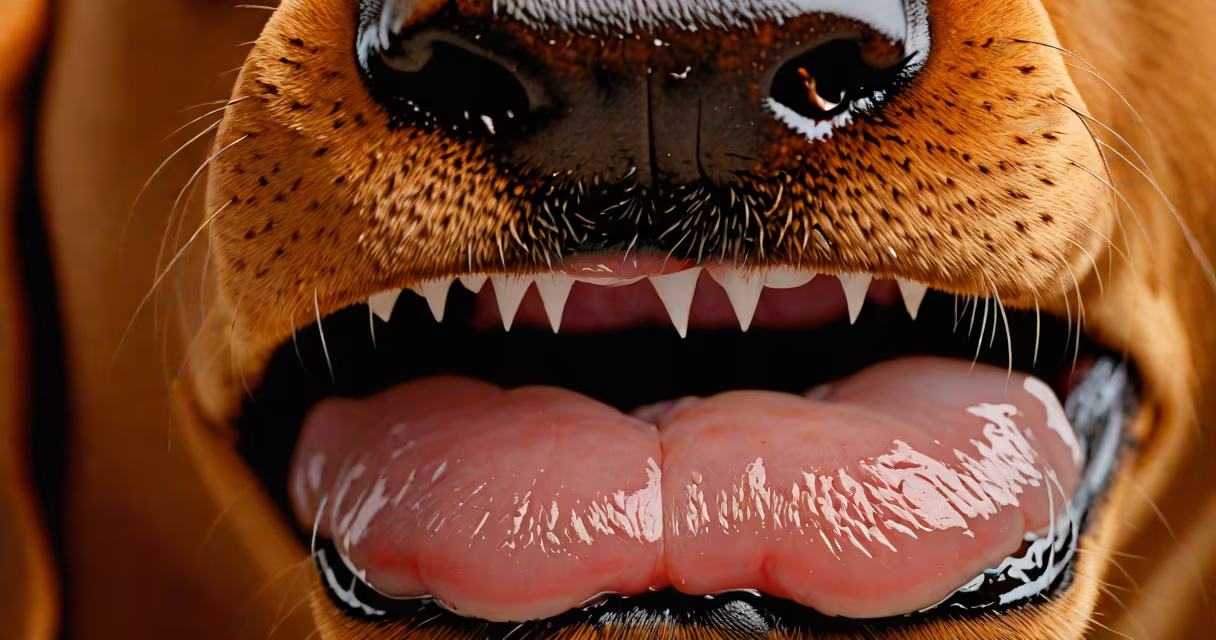
A dog's mouth smelling like fish typically signals an underlying medical issue such as a urinary tract infection, kidney dysfunction, or a metabolic condition like trimethylaminuria. This odor stems from compounds produced during abnormal breakdown of proteins or waste buildup in the bloodstream.
Oral bacteria thrive on food particles and plaque, producing volatile sulfur compounds that cause bad breath. But a distinct fishy smell-especially if it's persistent or worsening-is not normal oral hygiene failure. It suggests systemic disease. The scent often becomes noticeable during close contact, such as when your dog licks your hand or face.
One common cause is bacterial overgrowth in the mouth due to periodontal disease, which can produce odors resembling rotting fish. However, a fishy breath that persists despite dental cleaning may point to internal organ issues. The liver and kidneys filter toxins; when they fail, waste products like trimethylamine accumulate and enter the bloodstream, eventually exiting through breath and saliva.
The fishy odor originates from trimethylamine (TMA), a compound formed when gut bacteria break down choline and carnitine in protein-rich foods. Normally, the liver converts TMA into odorless trimethylamine N-oxide (TMAO). When liver function declines, TMA builds up and is exhaled through the lungs and released via saliva.
Renal insufficiency also contributes. As kidney function drops below 25%, uremic toxins like ammonia and methyl mercaptan appear in the blood. These compounds have sharp, fishy, or rotten notes detectable in breath and urine. A 2021 study in Veterinary Clinical Pathology found that 68% of dogs with stage 3 chronic kidney disease exhibited detectable halitosis with a fishy component.
Another mechanism involves bacterial infections in the urinary tract. Escherichia coli and Proteus species produce enzymes that break down urea into ammonia and hydrogen sulfide-gases that smell like rotten eggs and fish. These gases travel retrograde through the esophagus and into the mouth, especially during vomiting or regurgitation.
Conditions causing fishy breath fall into three categories: metabolic, infectious, and dental. Metabolic disorders include hepatic encephalopathy and renal failure. Infectious causes involve UTIs or gastrointestinal pathogens. Dental disease includes advanced periodontitis and tooth root abscesses.
| Type | Common Causes | Key Odor Clue | Diagnostic Test |
|---|---|---|---|
| Metabolic | Liver shunt, kidney failure, trimethylaminuria | Fishy, sweet, or rotten notes; worsens after meals | Blood urea nitrogen (BUN), creatinine, liver enzyme panel |
| Infectious | UTI, giardia, periodontal abscess | Strong, foul, fishy after brushing or eating | Urinalysis, fecal float, dental X-rays |
| Dental | Advanced periodontitis, tooth decay | Localized to one side of mouth; gum swelling | Dental exam under anesthesia, dental radiographs |
Trimethylaminuria is rare but critical to recognize. It's a genetic disorder where the body cannot process TMA. Affected dogs emit a persistent fishy odor from skin, breath, and urine. Diagnosis requires specialized testing not routinely available in general vet clinics.
Many owners assume fishy breath results from diet or poor grooming. Feeding fish-based kibble or treats may contribute to odor, but they don't explain a consistent, strong fishy smell. A 2020 survey by the American Veterinary Medical Association found that 42% of pet owners delayed vet visits for halitosis, assuming it was "just bad breath."
Another error is attributing the smell to ear infections. While otitis externa can cause a musty or yeasty odor, it doesn't produce fishy breath. The scent must originate from the oral cavity or respiratory tract. If the smell is localized to the ears, it's unrelated.
Some believe rinsing the mouth with water or using human mouthwash helps. This is ineffective and potentially harmful. Human mouthwashes contain alcohol and essential oils toxic to dogs. Instead, use veterinarian-approved dental chews or enzymatic oral rinses.
Max's owner noticed a strong fishy odor in his breath after he stopped eating his usual kibble. He also drank more water and urinated frequently. Bloodwork revealed elevated BUN (65 mg/dL) and creatinine (3.2 mg/dL)-both above normal ranges. Urinalysis showed high levels of ketones and protein. A renal ultrasound confirmed bilateral kidney shrinkage.
Diagnosis: Chronic kidney disease with secondary uremia. Treatment included a prescription renal diet, phosphate binders, and subcutaneous fluids. Within six weeks, Max's breath improved. His BUN dropped to 38 mg/dL, and his appetite returned.
This case shows that fishy breath isn't just a symptom-it's a red flag. Early detection improves outcomes. Delayed treatment increases risk of complications like hypertension and anemia.
Consult a vet if fishy breath lasts more than five days, especially with other symptoms: weight loss, lethargy, increased thirst, frequent urination, or changes in appetite. A single episode after eating fish may be harmless, but recurring or worsening odor demands evaluation.
Do not rely on home remedies. Over-the-counter supplements like probiotics or chlorophyll tablets don't address root causes. They may mask odor temporarily but delay diagnosis.
During a visit, expect a full physical exam, blood panels, urinalysis, and possibly imaging. Early intervention prevents irreversible damage. A dog with early-stage kidney disease can live 2-3 years with proper management.
dog mouth smell like fish is not a normal finding. It reflects a breakdown in bodily systems-liver, kidneys, or gut microbiome-that require professional attention. Ignoring it risks worsening health and reduces quality of life. Addressing the root cause restores breath, energy, and longevity.