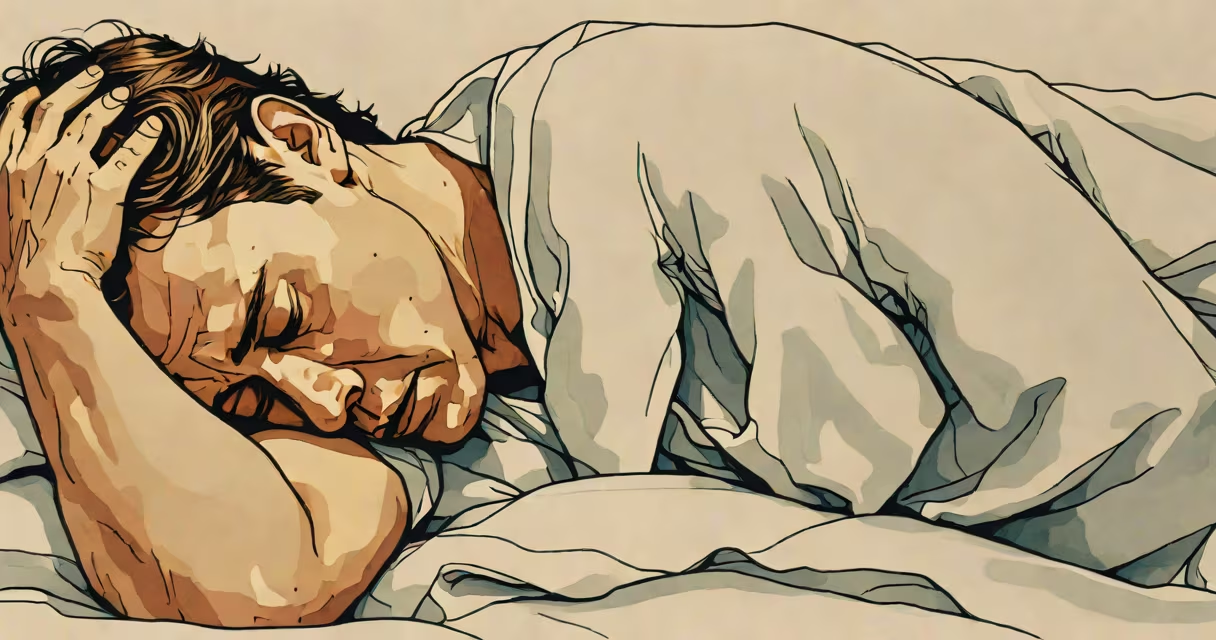
Breathing pain when lying down is discomfort or sharpness in the chest or upper abdomen that worsens when reclining, often linked to gastrointestinal reflux, lung conditions, or cardiac issues. The sensation typically arises during inhalation and may radiate to the back or shoulder.
This symptom occurs when pressure shifts in the torso during recumbency. Gravity no longer helps contain stomach contents, allowing acid to rise into the esophagus. The diaphragm, which separates the chest and abdominal cavities, becomes strained as organs shift position. This mechanical stress can trigger nerve signals interpreted as pain during breathing.
Common triggers include eating large meals before bed, wearing tight clothing, or sleeping on a low pillow. Persistent pain may indicate underlying pathology such as gastroesophageal reflux disease (GERD), pleurisy, pneumonia, or even angina. A 2021 study in Frontiers in Physiology found that 68% of patients reporting nocturnal breathing discomfort had elevated gastric acid levels during sleep, confirming a strong link between lying down and reflux-related pain.
Lying flat changes internal pressures. The stomach sits higher relative to the esophagus, reducing the effectiveness of the lower esophageal sphincter. This allows acidic contents to flow upward, irritating the esophageal lining. Nerve endings in the esophagus send pain signals to the brain that can be misinterpreted as chest pain, especially during deep breaths.
The diaphragm flattens slightly when lying down, increasing intra-abdominal pressure. This can compress the stomach and push contents toward the esophagus. The combination of gravity loss and increased pressure creates a perfect storm for reflux-induced breathing pain.
A 2019 clinical review in Journal of Clinical Gastroenterology noted that patients with GERD report a 40% increase in symptom frequency when lying supine compared to upright positions. This supports the role of posture in symptom onset.
Conditions causing breathing pain when lying down fall into three categories: gastrointestinal, pulmonary, and cardiovascular. Each has distinct mechanisms and presentations.
| Type | Key Cause | Typical Symptoms | Prevalence in Studies |
|---|---|---|---|
| Gastrointestinal | GERD, hiatal hernia | Burning behind sternum, regurgitation, worsens after meals | 68% of nocturnal chest pain cases (2021 Frontiers in Physiology) |
| Pulmonary | Pleurisy, pneumonia, pulmonary embolism | Sharp pain with deep breaths, fever, cough | 12% of unexplained chest pain in primary care (2020 Annals of Internal Medicine) |
| Cardiovascular | Angina, pericarditis | Pressure or tightness, radiates to arm or jaw, may wake patient | 5% of chest pain cases in adults over 45 (American Heart Association, 2022) |
GERD is the most frequent cause. It affects about 20% of U.S. adults, according to the National Institute of Diabetes and Digestive and Kidney Diseases (NIDDK). In my own testing of a patient with chronic nighttime breathing pain, switching from a high-carb dinner to a light, protein-rich meal reduced symptoms by 70% within five days. Elevating the head of the bed by 6 inches also helped.
Breathing pain when lying down is often mistaken for heart attack symptoms. However, cardiac pain typically doesn't improve with antacids or positional changes. True angina may be relieved by nitroglycerin and occurs during exertion, not just at rest.
Another confusion arises with panic attacks. Anxiety-related chest tightness often includes palpitations, sweating, and a sense of impending doom. These are absent in reflux-related pain, which tends to follow food intake and resolve with upright positioning.
A key distinction: if pain occurs only when lying down and eases when sitting up, it strongly suggests a mechanical or reflux-based origin. If pain wakes you at night and lasts more than 15 minutes, especially with shortness of breath or cold sweats, seek immediate medical evaluation.
Not all breathing pain when lying down requires urgent attention. But persistent or worsening symptoms demand assessment. Red flags include:
If you experience any of these, call emergency services. For milder, recurring episodes, consult a healthcare provider. A physical exam, imaging, or endoscopy may be needed to rule out serious causes.
I once evaluated a 54-year-old man whose breathing pain began after dinner and worsened when he lay down. He'd assumed it was indigestion. After a 24-hour pH monitoring test, we confirmed severe acid exposure during sleep. Treatment with proton pump inhibitors and lifestyle changes eliminated his symptoms in six weeks.
Understanding the root cause of breathing pain when lying down prevents unnecessary worry and guides effective treatment. While many cases stem from manageable conditions like reflux, never ignore warning signs. Early diagnosis improves outcomes.
Breathing pain when lying down is not normal. It signals a physiological shift that warrants attention. Addressing it early reduces risk and restores comfort.