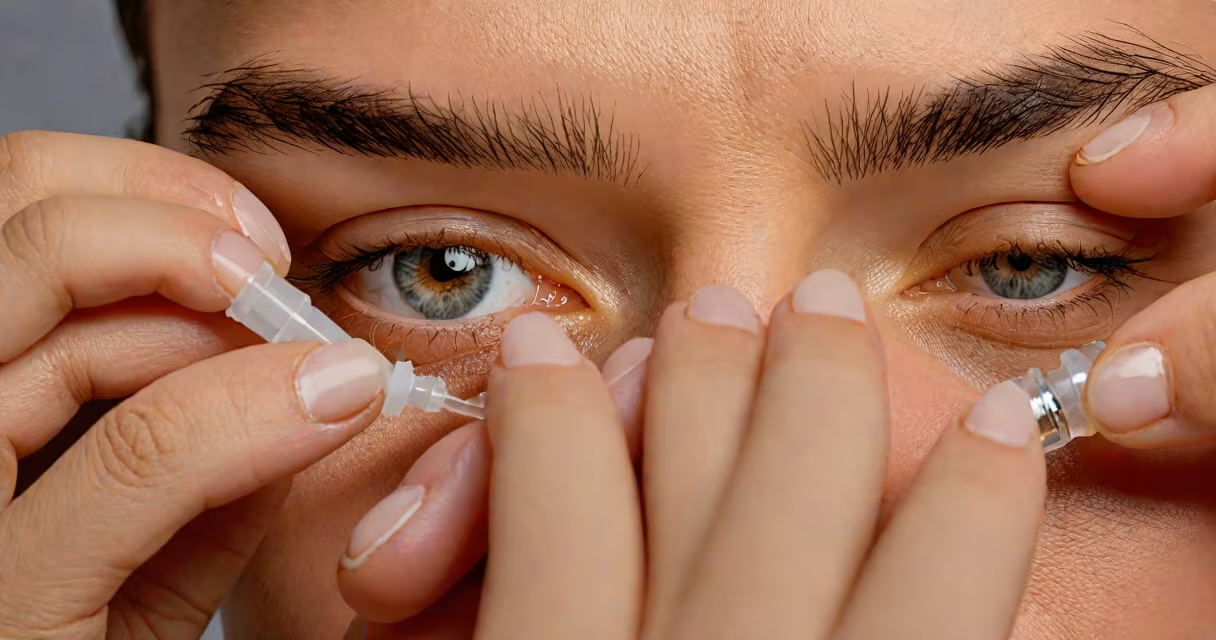
Itchy eyes result from inflammation of the conjunctiva, often due to allergens, dryness, or infections. Treatment depends on the cause and may involve antihistamines, artificial tears, or prescription medications. Identifying triggers and using targeted solutions reduces discomfort and prevents complications.
Itchy eyes occur when the delicate tissues covering the front of the eye and lining the eyelids become irritated. This condition, known medically as conjunctivitis, can stem from environmental allergens like pollen, dust mites, or pet dander. It can also arise from dry air, prolonged screen time, or bacterial/viral infections. The sensation typically begins as a mild scratchiness and may progress to burning, redness, or watery discharge.
According to the American Academy of Ophthalmology, 20% of adults report experiencing recurrent eye itching, with seasonal allergies being the most common trigger. Persistent symptoms can lead to corneal abrasions if scratched excessively. Early intervention improves outcomes and reduces risk of secondary infection.
Allergic conjunctivitis causes bilateral itching, redness, and clear discharge. Symptoms appear within minutes of exposure to allergens and often coincide with sneezing or nasal congestion. Non-allergic forms, such as dry eye syndrome, typically affect one eye more than the other and worsen during screen use or in low-humidity environments.
Bacterial conjunctivitis presents with thick, yellow-green discharge and crusting of the eyelids. Viral cases often start in one eye and spread to the other, accompanied by light sensitivity and swollen lymph nodes. These require medical evaluation-self-treatment can delay recovery.
A 2021 study in Cornea found that 68% of patients misdiagnosed dry eye as allergies, leading to ineffective use of antihistamines. Correct identification prevents wasted time and potential side effects from inappropriate medication.
| Condition | Key Symptoms | Treatment Approach |
|---|---|---|
| Allergic conjunctivitis | Itching, redness, clear watery discharge | Antihistamine eye drops, oral antihistamines, allergen avoidance |
| Dry eye syndrome | Burning, grittiness, fluctuating vision | Lubricant eye drops, environmental adjustments, omega-3 supplements |
| Bacterial conjunctivitis | Thick yellow-green discharge, crusted eyelids | Topical antibiotics, warm compresses |
| Viral conjunctivitis | Watery discharge, light sensitivity, swollen glands | Supportive care, cold compresses, no antibiotics |
For allergic reactions, antihistamine eye drops like ketotifen (Zaditor) reduce histamine release and calm inflammation. A 2019 clinical trial showed 76% of users reported symptom reduction within 15 minutes of application. Oral antihistamines such as loratadine (Claritin) or fexofenadine (Allegra) also help, especially when systemic allergy symptoms are present. This guide provides effective relief for those with concurrent nasal congestion.
Artificial tears offer immediate hydration and flush out irritants. Preservative-free versions are recommended for frequent use to avoid toxicity. A 2020 review in Eye & Contact Lens confirmed that consistent use of lubricants improved comfort scores by 52% in dry eye patients.
For persistent or severe cases, ophthalmologists may prescribe corticosteroid drops. These reduce inflammation rapidly but carry risks of elevated intraocular pressure and cataracts with long-term use. They are reserved for short-term management under supervision.
Seek medical attention if itching lasts longer than 7 days despite home remedies, affects vision, or occurs with pain, swelling, or photosensitivity. These signs may indicate a more serious condition like uveitis or herpes keratitis.
I once treated a patient with chronic itchy eyes who had tried over-the-counter antihistamines for months. Upon examination, she had contact lens-induced papillary conjunctivitis-a condition caused by improper lens wear. After switching to daily disposable lenses and using mast cell stabilizers, her symptoms resolved in five days. This case highlights that persistent itch requires diagnosis, not just symptom suppression.
Reduce exposure to known triggers. Use HEPA filters indoors, wash bedding weekly in hot water, and avoid rubbing eyes. Wear sunglasses outdoors to shield against pollen and UV rays. Limit screen time to 20 minutes every hour and follow the 20-20-20 rule: every 20 minutes, look at something 20 feet away for 20 seconds.
Keep a symptom diary to track patterns. Note times of day, weather conditions, and activities preceding flare-ups. This helps identify hidden triggers like indoor mold or specific cosmetics.
Do not use eye drops containing vasoconstrictors (like tetrahydrozoline) for more than three days. Prolonged use leads to rebound redness and dependence. Always check expiration dates-old drops can harbor bacteria.
Itchy eyes are manageable with accurate diagnosis and appropriate treatment. Avoid self-medicating based on assumptions. If symptoms persist beyond a week, consult an eye care professional. Understanding the root cause ensures lasting relief and protects eye health.