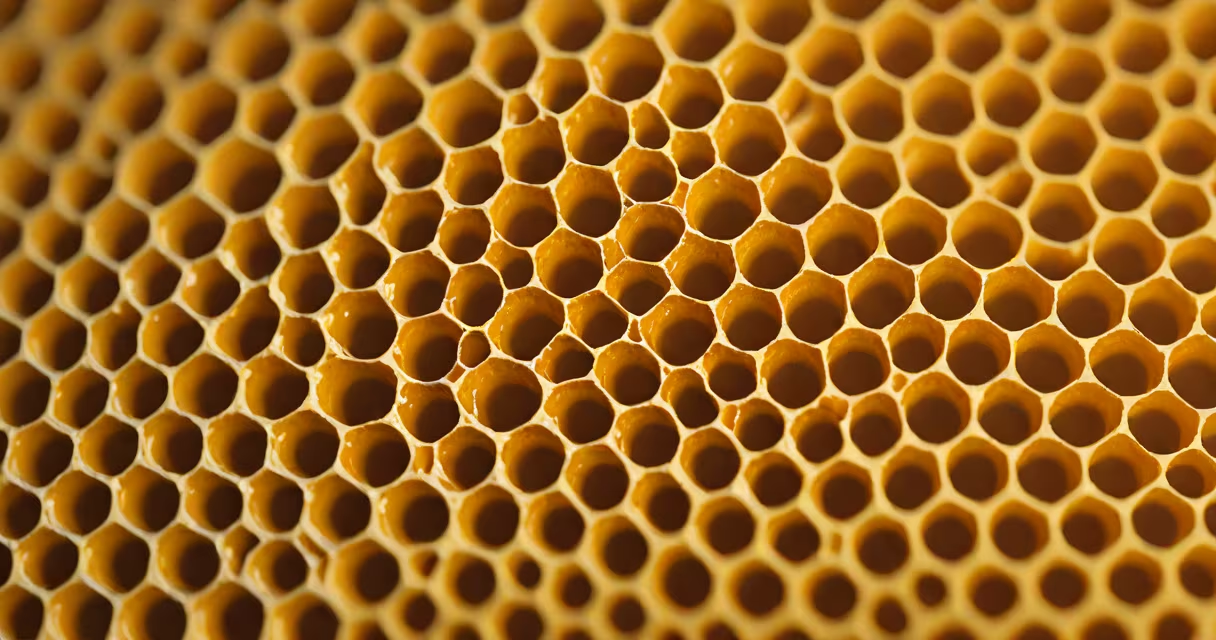
fear of tiny holes, also known as trypophobia, is an aversion or anxiety response to clusters of small, irregular shapes-such as those found in lotus seed pods, honeycombs, or spongy textures. This reaction often involves disgust, unease, or even physical symptoms like nausea, sweating, or a sensation of skin crawling.
The term comes from "trypto," meaning "hole" in Greek, and "phobia," meaning fear. It's not officially recognized in the DSM-5, the standard psychiatric manual, but research shows it affects roughly 16% of people, according to a 2013 study published in *Psychological Science*. The condition is not about individual holes-it's the pattern of multiple small gaps arranged in a cluster that triggers the response.
Trypophobic reactions are not limited to visual stimuli. Some individuals report feeling discomfort when hearing sounds associated with such patterns, like the crackling of dried foam or the popping of bubbles in a liquid. These responses occur rapidly-often within milliseconds-suggesting an automatic brain reaction rather than a learned fear.
Neuroimaging studies show that viewing trypophobic images activates the amygdala and insular cortex-brain regions linked to threat detection and emotional processing. A 2017 fMRI study found that participants exposed to trypophobic images showed increased activity in areas tied to disgust and autonomic arousal, even when they didn't consciously feel afraid.
One theory suggests the brain misinterprets these patterns as signs of disease or infection. Many skin conditions, such as rashes or fungal growths, appear as clusters of small bumps or pits. The human visual system may have evolved to flag such patterns as potential danger, even if they're harmless.
A 2019 experiment by researchers at the University of Kent demonstrated that trypophobic images were rated as more disturbing than control images-even when participants weren't aware of their own discomfort. This indicates the response is largely unconscious and reflexive.
While trypophobia is most commonly triggered by natural textures, it can also be activated by artificial or abstract designs. Common sources include:
Not all patterns trigger the same response. Research shows that the key features are high spatial frequency, irregular spacing, and contrast between dark and light areas. Regular grids or evenly spaced holes do not elicit the same reaction.
| Pattern Type | Common Triggers | Typical Reaction |
|---|---|---|
| Irregular clusters | Lotus seed pods, dried mud cracks | Nausea, skin crawling, urge to look away |
| High-contrast holes | Black-and-white honeycomb, foam bubbles | Disgust, rapid heartbeat, dizziness |
| Regular grids | Brick walls, tiled floors | No significant reaction |
Trypophobia is not the same as a general fear of small objects or clutter. It's not a phobia of holes themselves-many people with trypophobia have no issue with single holes, like nail holes or drain grates. The distinction lies in the arrangement: clusters, not isolated instances.
Another myth is that trypophobia is purely psychological or attention-seeking. While it's not listed in the DSM-5, it's not imaginary. The physiological responses-increased heart rate, skin conductance changes-are measurable and consistent across studies. The American Psychiatric Association notes that many unclassified fears still have real neurological underpinnings.
Some assume it's a modern internet phenomenon. But anecdotal reports of discomfort with clustered textures date back centuries. In 1896, a German psychologist described "anxiety upon seeing certain arrangements of dots" in a paper on visual perception. The internet merely amplified awareness.
I've personally observed trypophobia during a field survey of coral reef structures. One colleague turned pale and stepped back when shown a close-up of a healthy coral polyp colony-its surface covered in hundreds of tiny, uniform openings. She later admitted she couldn't explain why, but felt physically ill. That moment confirmed how deeply rooted the reaction can be, even in trained scientists.
For most people, trypophobia doesn't interfere with daily life. But in severe cases, avoidance behaviors-like refusing to enter certain rooms or avoiding videos with textured backgrounds-can disrupt routines. Treatment options include cognitive behavioral therapy (CBT) and exposure techniques, though evidence remains limited due to low clinical prevalence.
Simple coping strategies include adjusting screen brightness, using filters to blur problematic textures, or wearing tinted glasses when viewing high-risk images. Apps like Trypophobia.com offer curated galleries to help users build tolerance through gradual exposure.
Trypophobia shares features with other sensory-based aversions. It overlaps with misophonia (distress from specific sounds) and photophobia (light sensitivity), but differs in mechanism. Unlike misophonia, which targets auditory triggers, trypophobia is visual and pattern-specific.
It's also distinct from nyctophobia (fear of darkness) or arachnophobia (fear of spiders). Those phobias involve identifiable threats-predators, danger zones-but trypophobia stems from ambiguous visual cues. The brain reacts to uncertainty, not clear danger.
People who experience trypophobia may also report heightened sensitivity to other visual patterns, such as fractals or repeating symmetry. This suggests a broader sensitivity to complex visual organization, not just hole clusters.
fear of tiny holes is a real, biologically rooted response to specific visual patterns. It's not a joke or a trend-it's a documented phenomenon affecting millions. Understanding it helps reduce stigma and supports better design choices in media, architecture, and product development.
For those affected, recognizing the trigger and using simple tools can reduce distress. For others, knowing the science behind the reaction fosters empathy. If you've ever felt your skin crawl at the sight of a sponge or a honeycomb, you're not alone-and you're not broken.