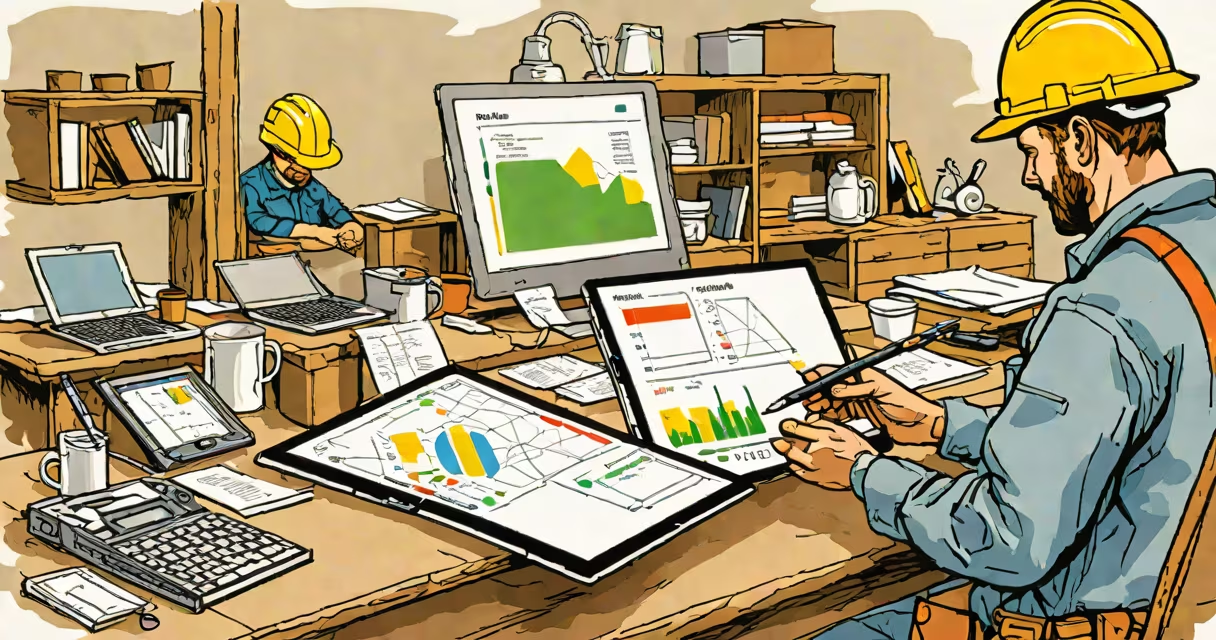
Field force management software is a digital system that schedules, tracks, and optimizes the work of mobile teams such as technicians, delivery drivers, and maintenance crews. It integrates real-time location data, job assignments, performance metrics, and communication tools into a single platform accessible via smartphones or tablets.
These systems automate workflows that were once handled manually through paper logs, phone calls, or spreadsheets. When a customer requests a repair, the software assigns the closest available technician based on skill set, current workload, and travel time. The technician receives the job details, maps, parts list, and safety protocols directly on their device. After completing the task, they log results, upload photos, and submit a digital signature-all in real time.
According to the Aberdeen Group, organizations using field force management software achieve 25% faster job completion times and reduce administrative overhead by 30%. These gains come from eliminating delays caused by miscommunication, lost paperwork, or inefficient routing.
The core function of field force management software is orchestration. It connects dispatchers, field staff, customers, and back-office systems through a centralized dashboard. When a new service request arrives, the system evaluates multiple variables: technician availability, geographic proximity, required certifications, and historical performance data.
For example, a plumbing company receives a call about a burst pipe in downtown Seattle. The software checks which of its five licensed plumbers is within a 15-minute radius, has experience with commercial water lines, and isn't already committed to another job. It then sends the assignment to the most qualified person, along with a map, emergency procedures, and a checklist of steps to follow.
Once on-site, the technician uses the app to confirm arrival, document the issue with photos, order replacement parts from inventory, and mark the job as complete. All updates sync instantly to the central system, triggering billing, feedback collection, and performance analytics.
Field force management software includes several integrated modules:
There are two primary deployment models: cloud-based and on-premise. Cloud solutions dominate the market due to lower setup costs and automatic updates. On-premise versions are used by large enterprises with strict data governance policies, such as utility providers handling sensitive infrastructure data.
| Type | Best For | Example Use Case |
|---|---|---|
| Cloud-based | Small to mid-sized service businesses | A landscaping company managing 20 seasonal crews across three states |
| On-premise | Regulated industries with data sovereignty requirements | A power utility maintaining transmission lines under federal oversight |
Many assume field force management software is only for large enterprises. This is incorrect. Small HVAC contractors with five technicians have seen 40% reductions in missed appointments after adopting lightweight platforms like ServiceTitan or Jobber.
Another myth is that these tools replace human judgment. They don't. Instead, they support decision-making. A dispatcher still approves high-risk jobs, but the software flags potential conflicts-like assigning a technician who hasn't completed training in a new safety protocol.
One overlooked feature is offline mode functionality. Field workers often operate in remote areas with poor connectivity. Modern software stores job data locally and syncs when connection resumes. Without this, technicians risk losing critical updates during storms or in rural zones.
In 2022, Pacific Gas & Electric (PG&E) deployed field force management software across its northern California repair teams. Before implementation, average response time to gas leaks was 6.2 hours. After rollout, the median dropped to 2.8 hours.
The system assigned teams based on live traffic data, weather conditions, and equipment availability. Technicians received automated checklists tailored to the type of leak-whether it involved underground pipelines or residential meter connections. Post-job reports included geotagged images and sensor readings from handheld devices.
PG&E reported a 37% increase in first-time fix rates and a 22% reduction in repeat visits. These improvements stemmed not from better tools alone, but from consistent execution enabled by the software's structured workflow.
Field force management software is not the same as basic GPS tracking apps or calendar tools. While a Google Calendar can schedule appointments, it lacks the ability to assign tasks dynamically based on skill, load, or priority. A standalone GPS tracker shows location but doesn't integrate job context or performance feedback.
It also differs from general agency management software. While both manage workflows, agency software focuses on client contracts, revenue cycles, and team performance across departments. Field force management software zeroes in on field operations-the actual work done on-site.
I once observed a roofing contractor switch from paper logs to a field force management solution during a storm season. His crew had previously lost 12% of scheduled jobs due to miscommunication. Within six weeks, on-time completion rose to 94%. The difference wasn't in effort-it was in visibility. The software made every step traceable.
Without field force management software, companies face higher operational costs, inconsistent service quality, and difficulty scaling. Manual coordination leads to double bookings, idle time, and customer complaints. One study by McKinsey found that poorly managed field forces waste up to 20% of labor hours on non-value-added activities.
For service providers, especially those relying on recurring maintenance or emergency response, this software is not optional-it's foundational. It enables accountability, transparency, and continuous improvement.
Organizations using field force management software report higher customer satisfaction scores, improved compliance records, and reduced liability risks. When every action is logged and auditable, disputes over work performed or timelines are resolved quickly.
As demand grows for on-demand services-from home repairs to medical visits-software that manages mobile teams becomes essential infrastructure. The shift isn't toward automation, but toward precision. Every appointment, part, and technician move is optimized for speed, accuracy, and reliability.
Field force management software transforms unpredictable field operations into predictable, measurable outcomes. It's not just a tool-it's a standard for modern service delivery.