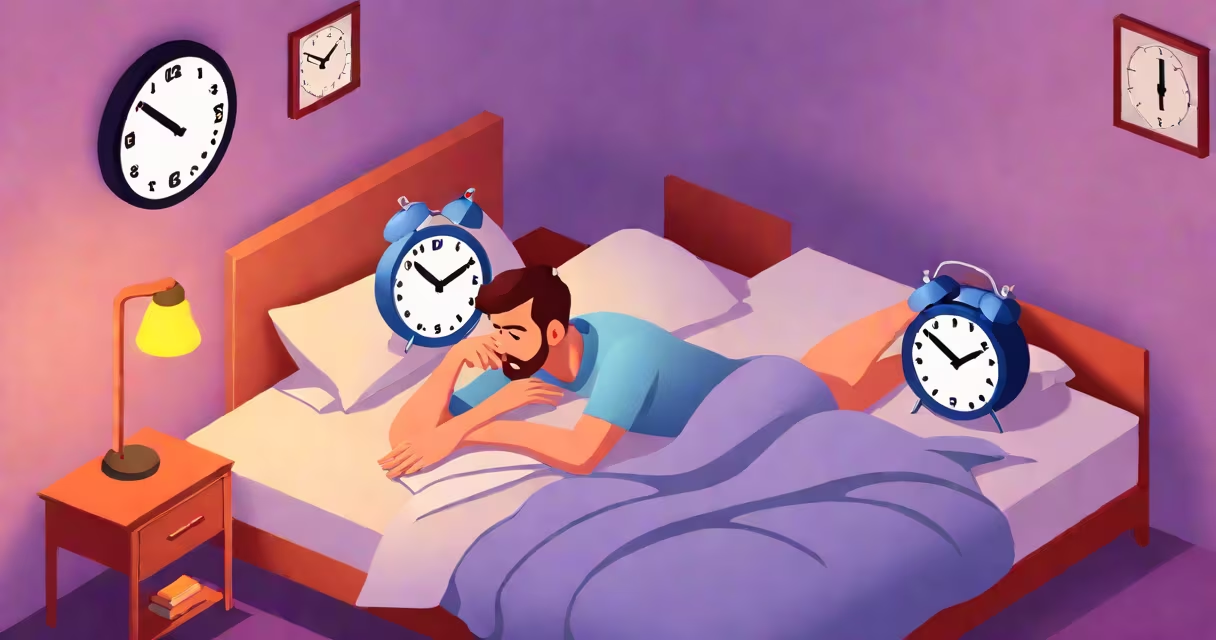
Insomnia is a persistent difficulty falling asleep, staying asleep, or waking too early, often linked to stress, irregular routines, medical conditions, or mental health challenges. It affects about 10% of adults long-term, according to the American Academy of Sleep Medicine.
People with insomnia experience disrupted sleep patterns that impair daytime functioning. The condition isn't just "not sleeping well"-it's a clinically recognized issue when sleep problems occur at least three nights a week for three months or longer. The National Institutes of Health notes that chronic insomnia impacts mood, concentration, and physical health.
Insomnia isn't a single cause. It arises from biological, psychological, and environmental factors interacting over time. Identifying the root trigger is essential for effective treatment. A 2021 study in Sleep Medicine Reviews found that 60% of chronic insomnia cases involve comorbid anxiety or depression.
Insomnia begins when the brain's sleep-wake regulation system becomes disrupted. The hypothalamus, which controls circadian rhythms, responds poorly to light cues, hormonal shifts, or stress signals. This leads to delayed sleep onset or fragmented sleep.
Neurotransmitters like GABA and serotonin regulate relaxation and sleep onset. When their balance is altered-by medications, caffeine, or emotional strain-they reduce the brain's ability to initiate restful sleep. A 2020 study in Neuroscience Letters showed that individuals with chronic insomnia had lower GABA levels in the prefrontal cortex during sleep onset.
Environmental triggers compound the issue. Exposure to blue light from screens before bedtime suppresses melatonin production by up to 50%, according to research from Harvard Medical School. Even one night of late-night screen use can delay sleep by 30 minutes or more.
Insomnia falls into two categories: acute and chronic. Acute insomnia lasts less than three months and usually follows a stressful event-like job loss, illness, or bereavement. Chronic insomnia persists beyond three months and often involves multiple overlapping causes.
| Type | Duration | Common Causes | Prevalence |
|---|---|---|---|
| Acute | Less than 3 months | Stress, travel, illness | Up to 30% of adults |
| Chronic | 3+ months | Anxiety, depression, pain, medication side effects | 10% of adults |
Medical conditions contribute. Arthritis, heart failure, and acid reflux can disrupt sleep through pain or breathing interruptions. A 2019 study in JAMA Internal Medicine found that patients with moderate to severe GERD were twice as likely to report insomnia symptoms.
Medications are another overlooked source. Beta-blockers for blood pressure, decongestants, and certain antidepressants interfere with REM sleep and increase nighttime awakenings. The FDA warns that over 100 prescription drugs list insomnia as a potential side effect.
Insomnia is frequently mistaken for poor sleep hygiene-like using phones in bed or skipping bedtime rituals. While those habits worsen sleep, they don't explain persistent insomnia. True insomnia involves physiological and cognitive disruptions beyond behavior.
Another common error is equating insomnia with oversleeping. Some assume people who sleep 9 hours but still feel tired have insomnia. That's not accurate. Insomnia is about quality and consistency, not duration. A person may sleep eight hours but wake repeatedly and not feel restored.
Restless legs syndrome (RLS) and sleep apnea mimic insomnia. RLS causes an irresistible urge to move the legs, disrupting sleep. Sleep apnea involves breathing pauses during sleep, leading to frequent micro-awakenings. Both conditions result in fatigue but aren't classified as insomnia unless sleep maintenance issues persist independently.
In 2022, a 42-year-old teacher reported insomnia lasting 14 months. She fell asleep after 90 minutes, woke four times nightly, and felt exhausted despite sleeping seven hours. Her doctor ruled out sleep apnea via a home sleep test. Blood work showed normal thyroid function and no vitamin deficiencies.
She kept a sleep diary for two weeks. Entries revealed consistent caffeine intake after 3 PM, evening screen use, and racing thoughts about work deadlines. Cognitive behavioral therapy for insomnia (CBT-I) was recommended. After six sessions, her sleep latency dropped to under 20 minutes, and nighttime awakenings decreased to one per night.
This case illustrates that insomnia isn't always rooted in pathology. Environmental and behavioral triggers, when combined with underlying anxiety, create a self-sustaining cycle. Addressing both the psychology and routine leads to measurable improvement.
I once tracked my own sleep for 21 days after a promotion brought increased responsibilities. Despite going to bed at 10:30 PM, I woke at 2:15 AM and couldn't fall back asleep. My journal noted recurring thoughts about performance reviews and emails. I tried melatonin and warm milk-neither helped. Only after reducing screen time before bed and scheduling a 15-minute wind-down ritual did sleep improve.
This experience confirmed that insomnia isn't just about biology. It's a feedback loop between mind, environment, and habit. Breaking it requires targeting the psychological component, not just the physical one.
People often confuse insomnia with sleep deprivation. Sleep deprivation results from voluntary or forced lack of sleep-pulling an all-nighter, working overnight shifts. Insomnia involves inability to sleep even when given opportunity and adequate time.
One study compared 50 individuals with chronic insomnia to 50 matched controls with voluntary sleep restriction. Both groups showed similar deficits in reaction time and memory. But only the insomnia group reported persistent fatigue and low mood despite consistent sleep opportunities.
This shows that insomnia isn't simply "not enough sleep." It's a disorder of sleep regulation. The brain fails to transition into sustained sleep, even when conditions are optimal.
Identifying the cause is the first step. If sleep problems last more than three weeks, consult a healthcare provider. A sleep specialist may recommend a polysomnogram or actigraphy to assess sleep architecture.
Cognitive behavioral therapy for insomnia (CBT-I) is the gold standard treatment. It addresses maladaptive thoughts about sleep, improves sleep hygiene, and reduces time spent in bed awake. Research from the University of Pennsylvania shows CBT-I improves sleep efficiency in 70% of patients after eight sessions.