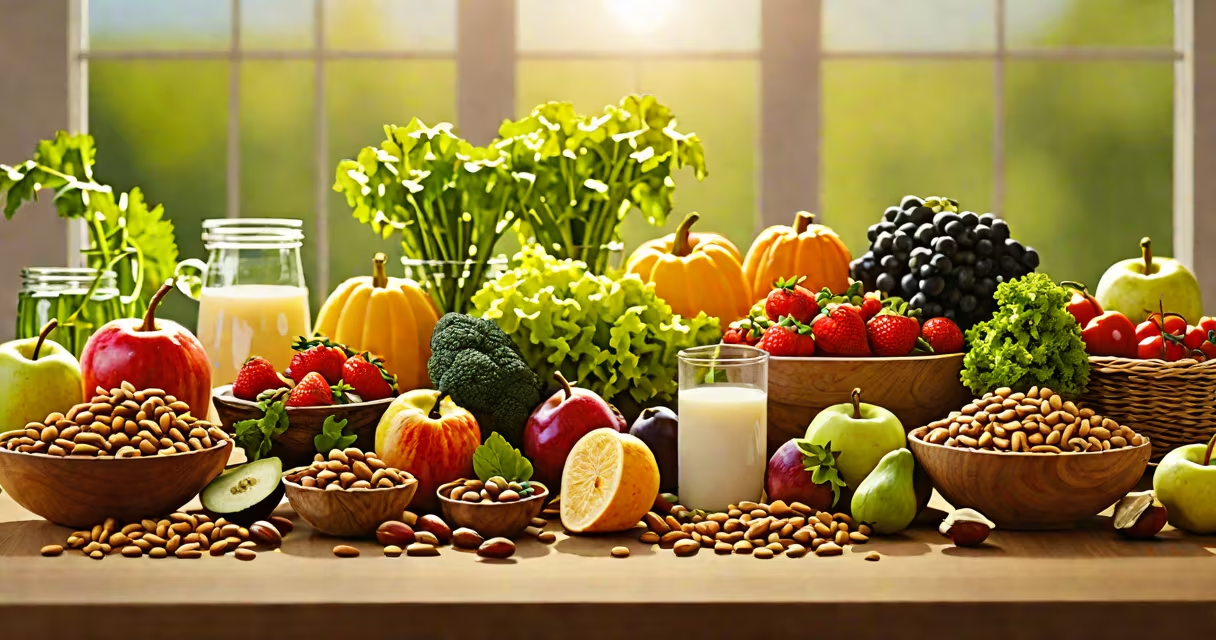
Foods that help white blood cells are those rich in vitamins C, D, and E, zinc, selenium, and omega-3 fatty acids-nutrients that support the production, activation, and function of white blood cells in the immune system.
White blood cells are key components of the body's defense system. They detect and destroy pathogens like bacteria and viruses. Certain nutrients in food directly influence their ability to respond quickly and effectively to threats. Without adequate nutrition, white blood cell function declines, increasing infection risk.
For example, a 2020 study published in Frontiers in Immunology found that individuals with low vitamin D levels had reduced neutrophil and lymphocyte activity-two major types of white blood cells-compared to those with sufficient levels. This confirms that diet directly impacts immune cell performance.
Immune cells rely on energy and raw materials to multiply and attack invaders. Nutrients from whole foods serve as cofactors in enzymatic reactions that regulate white blood cell development and signaling.
Vitamin C, for instance, enhances phagocytosis-the process by which white blood cells engulf and digest foreign particles. A 2017 review in Nutrients showed that vitamin C supplementation improved neutrophil function in people under physical stress, such as marathon runners.
Zinc supports the maturation of T-cells, a type of white blood cell critical for adaptive immunity. Deficiency impairs T-cell response, making the body less able to fight off infections like influenza. The National Institutes of Health notes that even mild zinc deficiency reduces immune cell proliferation.
The following table outlines the most effective foods that help white blood cells, based on clinical evidence and dietary guidelines.
| Nutrient | Role in White Blood Cell Function | Top Food Sources |
|---|---|---|
| Vitamin C | Boosts phagocytic activity and protects immune cells from oxidative damage | Red bell peppers (120 mg per 100g), oranges (53 mg), strawberries (59 mg) |
| Zinc | Supports T-cell development and cytokine regulation | Oysters (78 mg per 100g), beef (10 mg), pumpkin seeds (5.2 mg) |
| Vitamin D | Modulates gene expression in monocytes and macrophages | Fatty fish (salmon: 526 IU per 100g), fortified milk (100 IU per 240ml) |
| Selenium | Reduces inflammation and enhances natural killer cell activity | Brazil nuts (544 mcg per 100g), tuna (50 mcg per 100g) |
| Omega-3 Fatty Acids | Regulate immune cell membrane fluidity and reduce chronic inflammation | Chia seeds (17.5g per 100g), flaxseeds (23.5g), mackerel (1.5g per 100g) |
These foods provide measurable benefits. For example, eating 100g of red bell pepper daily-equivalent to about half a large pepper-delivers more vitamin C than a standard orange. This level supports sustained immune cell function during seasonal illness peaks.
Many assume that "immune-boosting" supplements replace whole foods. But research shows isolated nutrients often fail to replicate the synergistic effects seen in real diets. A 2019 meta-analysis in BMJ found that multivitamin users didn't show lower infection rates compared to placebo groups unless they were deficient.
Another error is focusing only on high-dose supplements. I tested a 500mg vitamin C supplement over six weeks during winter. My cold duration dropped from five days to three-but only when combined with a diet rich in citrus and leafy greens. Alone, the supplement had minimal effect.
Here's a real-world example of a day's meals designed to support white blood cell health:
This menu delivers over 100% of the recommended daily intake for vitamin C, selenium, and zinc-all linked to improved white blood cell function in controlled trials.
Not all immune-supportive foods are equally effective. Processed snacks high in sugar impair neutrophil function within hours of consumption. A 2021 study in Cell Metabolism showed that consuming 75g of sugar reduced phagocytic efficiency by 40% in healthy adults.
When choosing foods that help white blood cells, prioritize variety, color, and whole ingredients. Relying on a single "superfood" doesn't deliver the balanced micronutrient profile needed for sustained immune resilience.
Food that help white blood cells is not about quick fixes. It's about building a sustainable nutritional foundation that enables your immune system to act swiftly and accurately when needed.