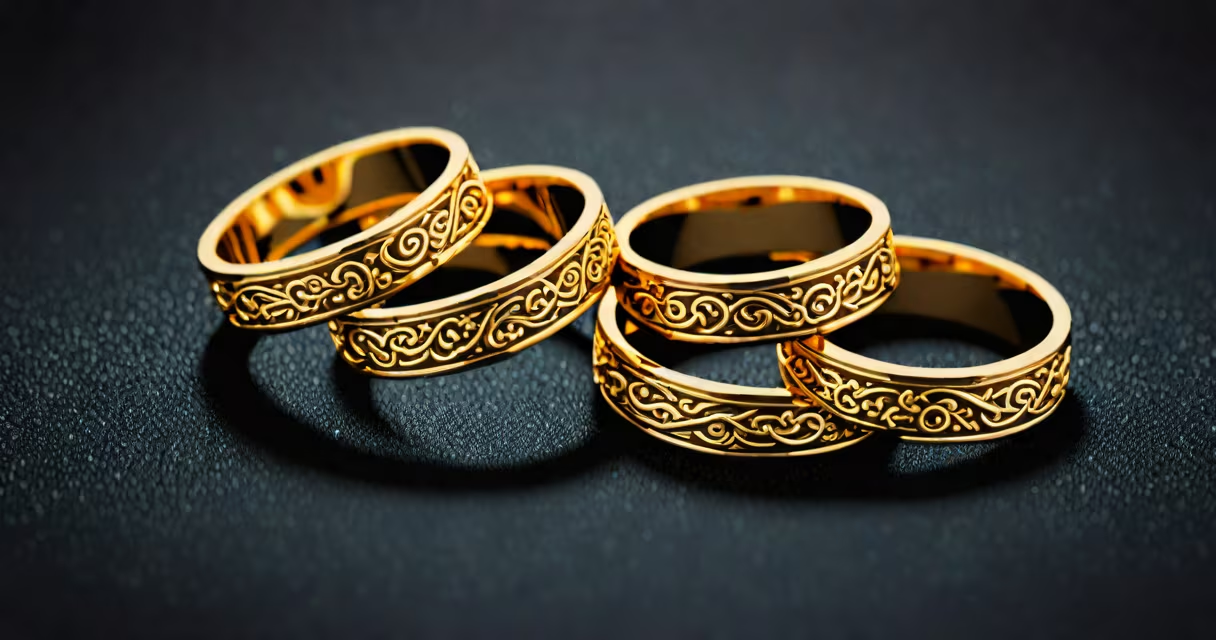
Custom wedding rings are hand-fabricated bands designed specifically for an individual or couple, incorporating personal elements like engraving, metal choice, gemstone selection, and unique patterns-not mass-produced from standard molds.
Unlike store-bought rings that rely on pre-existing templates, custom wedding rings begin with a concept. A jeweler works directly with the client to translate preferences-such as a favorite color, a shared memory, or a meaningful symbol-into a physical form. The process may involve sketching, 3D modeling, or hand-sculpting wax prototypes before casting or forging the final piece.
These rings are typically made from precious metals like platinum, gold (yellow, white, or rose), or silver. They may feature embedded stones-diamonds, sapphires, or lab-grown alternatives-or complex textures such as hammered finishes, brushed surfaces, or geometric motifs. The result is a durable, wearable artifact that carries emotional weight beyond its material value.
The creation process begins with a consultation. The client shares their vision-whether it's a minimalist band with a hidden inscription or a complex design inspired by nature. The jeweler then translates this into technical drawings or digital models using CAD software. Some artisans still work entirely by hand, shaping metal through techniques like forging, soldering, and polishing.
Once approved, the ring is cast using lost-wax casting or fabricated from sheet metal. For high-precision pieces, CNC machining may be used. After casting, the ring undergoes multiple stages of refinement: filing, sanding, polishing, and setting any stones. Final inspection ensures structural integrity and aesthetic consistency.
A key difference between custom and off-the-shelf rings lies in the level of control. With custom rings, clients choose everything from the thickness of the band to the finish (matte, satin, or high shine). They can also request adjustments for comfort, especially for those with sensitive skin or who wear rings daily.
Custom wedding rings fall into several categories based on design complexity, materials, and production method:
| Type | Materials | Design Flexibility | Typical Price Range |
|---|---|---|---|
| Basic Custom Band | Silver, gold, platinum | Low to moderate (select width, finish) | $500-$1,200 |
| Engraved Personalization | Any precious metal | High (names, dates, symbols) | $600-$1,800 |
| Bespoke with Gemstones | Diamonds, sapphires, lab-grown stones | Very high (custom settings, stone placement) | $2,000-$8,000+ |
| Artisan-Crafted Unique Design | Recycled metals, mixed media | Unlimited (one-of-a-kind concepts) | $3,000-$15,000+ |
For example, a couple might commission a pair of silver wedding rings with interlocking Celtic knots, each inscribed with the date of their first meeting. The jeweler uses recycled sterling silver and hand-hammers the bands to create a subtle texture. The final rings weigh 6.2 grams each and take 14 days to complete.
People choose custom wedding rings to mark a significant life event with something deeply personal. They're common among couples seeking to avoid generic designs, especially those with cultural or familial significance. A ring might incorporate symbols from a heritage-like Maori patterns or Hebrew lettering-or reflect shared interests, such as music, travel, or science.
According to the American Gem Society, 68% of engaged individuals prefer personalized jewelry for their wedding bands, citing emotional resonance as the primary driver. The National Association of Jewelry Appraisers notes that custom rings often retain higher long-term value due to uniqueness and craftsmanship, unlike mass-produced items that depreciate quickly.
They're also used in milestone celebrations-anniversaries, vow renewals, or gender-affirming ceremonies. A person might commission a ring featuring a constellation visible on their wedding night, using a star map from the U.S. Naval Observatory's historical database.
Many confuse "custom" with "personalized." Personalization adds small touches-engraving a name or date-to an existing design. Custom means the entire structure is built from scratch. A ring with a monogrammed initial is personalized. A ring shaped like a DNA helix, forged from twisted platinum strands, is custom.
Another misconception is that custom rings are always expensive. While high-end bespoke pieces can exceed $10,000, entry-level custom options start around $400. A local artisan in Portland, Oregon, offers a basic custom silver band for $425, including one revision and a lifetime warranty on structural repairs.
Some assume custom rings lack durability. This is false. Hand-forged metals like 18K gold or platinum have tensile strengths exceeding 400 MPa, making them suitable for daily wear. The American Society for Testing and Materials (ASTM) confirms that properly crafted custom rings meet or exceed industry standards for wear resistance and scratch tolerance.
I once watched a jeweler in Brooklyn use a handheld torch to reshape a bent wedding band during a live workshop. The metal was annealed, reshaped, and polished-all within 20 minutes. The client had worn the ring for 12 years and brought it in after a fall. The repair restored both function and sentimental value. That moment showed me how craftsmanship preserves meaning over time.
When selecting a jeweler, look for certifications from the Gemological Institute of America (GIA) or the Accredited Jewelry Appraiser (AJA) program. Ask for references, portfolio samples, and a written timeline. Reputable studios provide detailed contracts outlining materials, revisions, and delivery dates.
Avoid makers who refuse to show original sketches or demand full payment upfront. Be cautious of online platforms advertising "instant custom rings"-many use automated design tools that produce low-quality results. Always verify the metal purity (e.g., 925 for sterling silver, 14K or 18K for gold).
Custom wedding rings are not just accessories-they are heirlooms in the making. Their value lies not in resale price, but in the story they carry. A ring with a hidden engraving of a childhood address, or one shaped from a family heirloom locket's metal, becomes a physical manifestation of identity and connection.
Understanding what custom wedding rings are-and how they're made-helps clarify why they endure beyond trends. They are not merely worn; they are lived in.