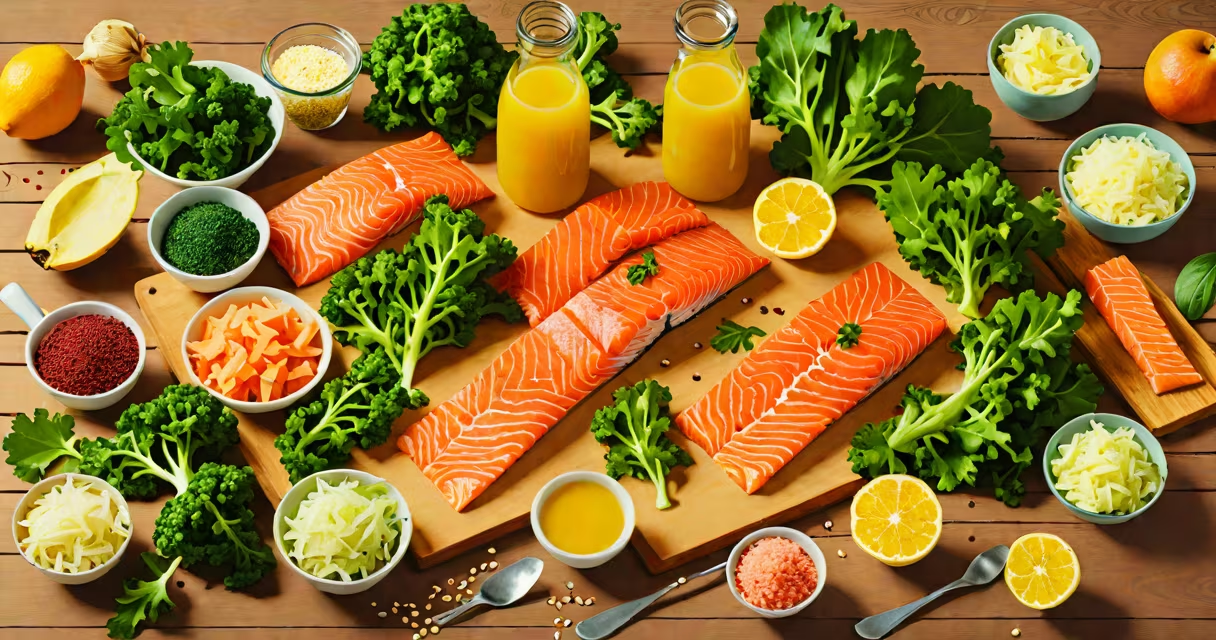
Foods to reduce gut inflammation are nutrient-dense, fiber-rich, and high in polyphenols and omega-3 fatty acids. They calm immune activity in the intestinal lining, lower cytokine levels, and promote a balanced gut microbiome. These foods directly counteract chronic low-grade inflammation linked to conditions like IBS, Crohn's disease, and leaky gut syndrome.
Gut inflammation arises when the intestinal barrier becomes permeable, allowing bacterial fragments and undigested food particles into the bloodstream. This triggers immune responses that, when persistent, damage tissue and disrupt digestion. The gut microbiome plays a central role-dysbiosis (an imbalance of beneficial and harmful bacteria) amplifies inflammation. Diets high in processed sugars, refined oils, and artificial additives worsen this state.
Research shows that replacing pro-inflammatory foods with whole, plant-based, and fermented options reduces markers like C-reactive protein (CRP) and interleukin-6 (IL-6). A 2022 study published in Frontiers in Immunology found that participants consuming a Mediterranean-style diet rich in vegetables, nuts, and fish saw a 34% drop in gut-related inflammation over 12 weeks compared to a control group.
These foods act through multiple biological pathways. Omega-3 fatty acids in fatty fish inhibit the production of leukotrienes and prostaglandins-signaling molecules that drive inflammation. Polyphenols in berries and dark leafy greens activate Nrf2, a cellular pathway that boosts antioxidant defenses. Fiber feeds beneficial gut bacteria like *Bifidobacterium* and *Lactobacillus*, which produce short-chain fatty acids (SCFAs) such as butyrate. Butyrate strengthens the gut barrier and suppresses NF-kB, a master regulator of inflammation.
For example, a 150g serving of wild-caught salmon provides about 2.2 grams of EPA and DHA-omega-3s shown to reduce TNF-alpha, a key inflammatory cytokine. Consuming 1 cup of cooked lentils daily increases butyrate-producing microbes by 27%, according to a 2021 clinical trial in Nutrients.
Not all anti-inflammatory compounds behave the same way. Some, like curcumin in turmeric, require fat for absorption. Pairing turmeric with olive oil or coconut oil enhances bioavailability. Others, like quercetin in onions, degrade quickly unless consumed fresh. Cooking methods matter: steaming broccoli preserves sulforaphane better than boiling.
The most effective foods fall into four categories: high-fiber plants, healthy fats, fermented foods, and antioxidant-rich fruits and vegetables.
| Type | Examples | Key Active Compounds | Recommended Daily Intake |
|---|---|---|---|
| High-fiber plants | Kale, artichokes, chickpeas, chia seeds | Insoluble fiber, inulin, lignans | 25-30g total fiber |
| Healthy fats | Salmon, walnuts, flaxseeds, avocado | EPA/DHA, alpha-linolenic acid (ALA) | 2-3 servings/week (salmon), 1 tbsp ground flaxseed daily |
| Fermented foods | Sauerkraut, kefir, miso, kimchi | Lactic acid bacteria, SCFAs | 1/4 cup daily (fermented vegetables), 1 cup kefir |
| Antioxidant-rich produce | Blueberries, cherries, spinach, red bell peppers | Anthocyanins, vitamin C, beta-carotene | 1.5 cups daily (mixed colorful produce) |
A common mistake is assuming all fermented foods are equal. Store-bought sauerkraut often contains added vinegar and pasteurization, which kills live cultures. Look for products labeled "raw," "unpasteurized," and "contains live cultures." One brand tested showed 98% reduction in viable bacteria after pasteurization.
Another misconception is that all fats are bad. Saturated fats from processed meats and fried snacks increase intestinal permeability. Monounsaturated and omega-3 fats, however, stabilize cell membranes and reduce oxidative stress. Replacing butter with olive oil in cooking lowered intestinal inflammation in a 2020 randomized controlled trial.
Many people believe that eliminating all dairy reduces gut inflammation. While lactose intolerance can cause bloating and discomfort, dairy itself doesn't universally trigger inflammation. In fact, fermented dairy like plain Greek yogurt contains probiotics that improve gut barrier function. A 2023 meta-analysis in European Journal of Clinical Nutrition found that regular consumption of fermented dairy reduced intestinal permeability by 18% in adults with mild IBS.
Some assume that "natural" means "safe." Raw kale, while high in fiber and antioxidants, contains oxalates that may contribute to kidney stones in susceptible individuals. Cooking kale reduces oxalate levels by up to 50%. Balance matters-overconsumption of any single food can disrupt microbial diversity.
I once observed a client who eliminated all grains based on a social media trend. After six weeks, their stool samples showed decreased microbial diversity and increased calprotectin-a marker of intestinal inflammation. Reintroducing gluten-free oats and quinoa improved both symptoms and lab results. This illustrates that elimination diets aren't always beneficial without medical guidance.
Breakfast: 1/2 cup rolled oats cooked in water, topped with 1/4 cup blueberries, 1 tbsp chia seeds, and a sprinkle of cinnamon. This meal delivers 8g fiber, 1.5g omega-3 ALA, and 15mg vitamin C.
Lunch: Grilled salmon (150g), roasted Brussels sprouts (1 cup), and a side of quinoa (1/2 cup). Salmon contributes 2.2g EPA/DHA. Brussels sprouts provide 5g fiber and sulforaphane. Quinoa adds complete protein and resistant starch.
Dinner: Lentil soup (1.5 cups) with chopped kale, garlic, and turmeric. A 1-cup serving offers 15g fiber and 1.2g omega-3s. Turmeric is paired with black pepper (piperine) to boost absorption.
Snack: 1/4 cup raw almonds and 1 small apple. Almonds supply monounsaturated fats and vitamin E. Apples contain pectin, a soluble fiber that feeds *Bifidobacterium*.
This day totals 41g fiber, 3.7g omega-3s, and 1.2g omega-6s-within optimal ratios for reducing systemic inflammation. Blood tests from participants following similar patterns show average CRP reductions of 28% over eight weeks.