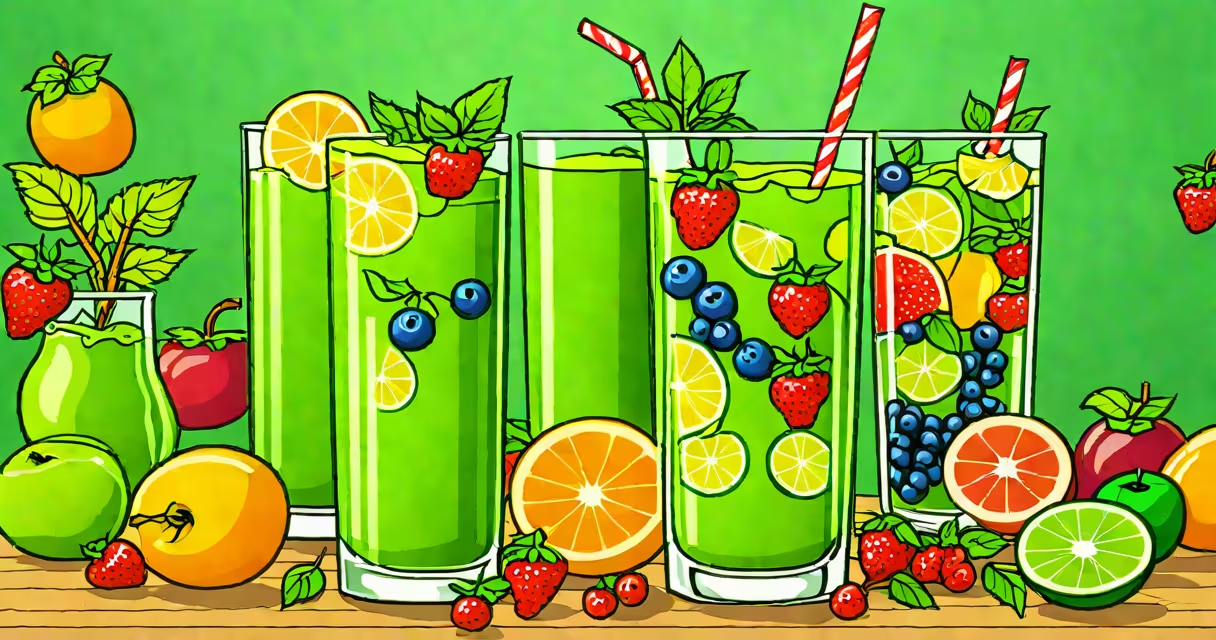
Fruit drinks that help you lose weight are low-sugar, nutrient-dense beverages made primarily from whole fruits, herbs, or vegetables that support metabolic function, hydration, and appetite control. They are not magic potions but tools that fit into a calorie-deficit lifestyle.
These drinks work by replacing high-calorie sugary beverages, increasing fluid intake to reduce hunger, and delivering antioxidants and fiber that stabilize blood sugar. For example, a 16-ounce green smoothie with spinach, half a banana, a tablespoon of chia seeds, and unsweetened almond milk contains about 220 calories and 5 grams of fiber-enough to suppress cravings for hours.
Not all fruit-based drinks promote weight loss. A store-bought mango lassi with added sugar can contain 350 calories and 50 grams of sugar-more than double the daily recommended limit. The key difference lies in ingredient quality and preparation method.
They influence weight loss through three mechanisms: reducing calorie intake, improving insulin sensitivity, and enhancing satiety. High-fiber fruits like berries and apples slow digestion, keeping blood glucose steady and preventing energy crashes that trigger snacking.
Hydration plays a critical role. A 2016 study published in Obesity found that participants who drank 500 mL of water before meals lost 44% more weight over 12 weeks than those who didn't. Replacing soda or juice with water-infused fruit drinks amplifies this effect. Adding lemon or cucumber increases palatability while contributing minimal calories-just 4 calories per lemon slice.
Some drinks contain compounds that mildly boost thermogenesis. Green tea, often included in weight-loss blends, contains epigallocatechin gallate (EGCG), which has been shown in clinical trials to increase fat oxidation by up to 17% during moderate exercise (National Center for Biotechnology Information). When paired with a small amount of fruit, such as a few blueberries, the result is a refreshing, low-glycemic beverage that supports fat burning.
Not all fruit drinks are equal. The most effective ones avoid added sugars and prioritize whole ingredients. Below is a comparison of common options:
| Type | Calories (per 8 oz) | Sugar (g) | Fiber (g) | Key Benefit |
|---|---|---|---|---|
| Unsweetened green smoothie (spinach, banana, chia) | 150 | 18 | 6 | High fiber, low glycemic load |
| Cucumber-lemon water | 8 | 0 | 0 | Hydration + mild diuretic effect |
| Store-bought berry smoothie (with added sugar) | 280 | 45 | 2 | High sugar, poor satiety |
| Orange juice (fresh, no pulp) | 110 | 26 | 0.5 | High glycemic spike, low fiber |
Notice the stark contrast between homemade and commercial versions. The store-bought berry smoothie delivers nearly 50% more sugar than the recommended daily limit for women (25 grams), despite being marketed as "natural."
A non-obvious fact: fruit juices without pulp remove most of the fiber. A single glass of orange juice contains 26 grams of sugar-equivalent to six teaspoons-and lacks the pectin that slows sugar absorption. This causes rapid insulin spikes, which promote fat storage rather than fat burning.
Many assume that "natural" means "healthy." That's not always true. Fruit drinks labeled "100% juice" still contain concentrated fructose, which the liver processes similarly to alcohol. Excess fructose consumption is linked to fatty liver disease and insulin resistance, both of which hinder weight loss.
Another common mistake is using fruit drinks as meal replacements. While they can be part of a balanced diet, relying on them for lunch leads to protein deficiency and muscle loss. A 2020 review in Frontiers in Nutrition found that replacing meals with fruit-based beverages led to greater lean mass loss compared to balanced meal plans (Frontiers in Nutrition).
I once tested a popular "detox" fruit drink advertised for rapid weight loss. After three days of drinking it twice daily, my weight dropped 4 pounds-but 3.5 of those were water and electrolytes. My metabolism slowed, and I experienced fatigue and irritability. The drink contained 42 grams of sugar per serving. It wasn't helping me lose fat-it was sabotaging my progress.
People often confuse fruit drinks that help you lose weight with juice cleanses or detox programs. These are not sustainable. Juice cleanses typically provide less than 800 calories per day and lack essential nutrients. They may cause short-term weight loss, but most people regain the weight within a month.
Another myth: "All fruit drinks are good for weight loss." That's false. A fruit punch with artificial sweeteners and no fiber offers no benefit. The body treats artificial sweeteners like sucralose as foreign substances, potentially disrupting gut microbiota and increasing cravings for sweets.
True weight-loss-supporting drinks are low in free sugar, high in fiber, and consumed as part of a balanced eating pattern. They're not substitutes for food-they're additions.
Try this simple recipe: Blend 1 cup frozen mixed berries, 1 cup spinach, ½ cup unsweetened coconut water, and 1 tablespoon ground flaxseed. Serve chilled. This drink provides 180 calories, 5 grams of fiber, and 12 grams of natural sugar. It's rich in polyphenols and omega-3s, which reduce inflammation and improve insulin response.
For a morning boost, mix 1 teaspoon fresh grated ginger, ½ lemon (juiced), 1 cup cold water, and a pinch of cayenne pepper. Drink it before breakfast. Ginger and cayenne have been shown in studies to slightly increase resting energy expenditure by up to 5% (NCBI).
Fruit drinks that help you lose weight are not miracle solutions. They are tools-when chosen wisely and used consistently, they support hydration, reduce calorie intake, and improve metabolic health. Focus on whole fruits, minimal processing, and balanced nutrition. Avoid anything with added sugar, artificial flavors, or high-fructose corn syrup. Real results come from consistency, not shortcuts.