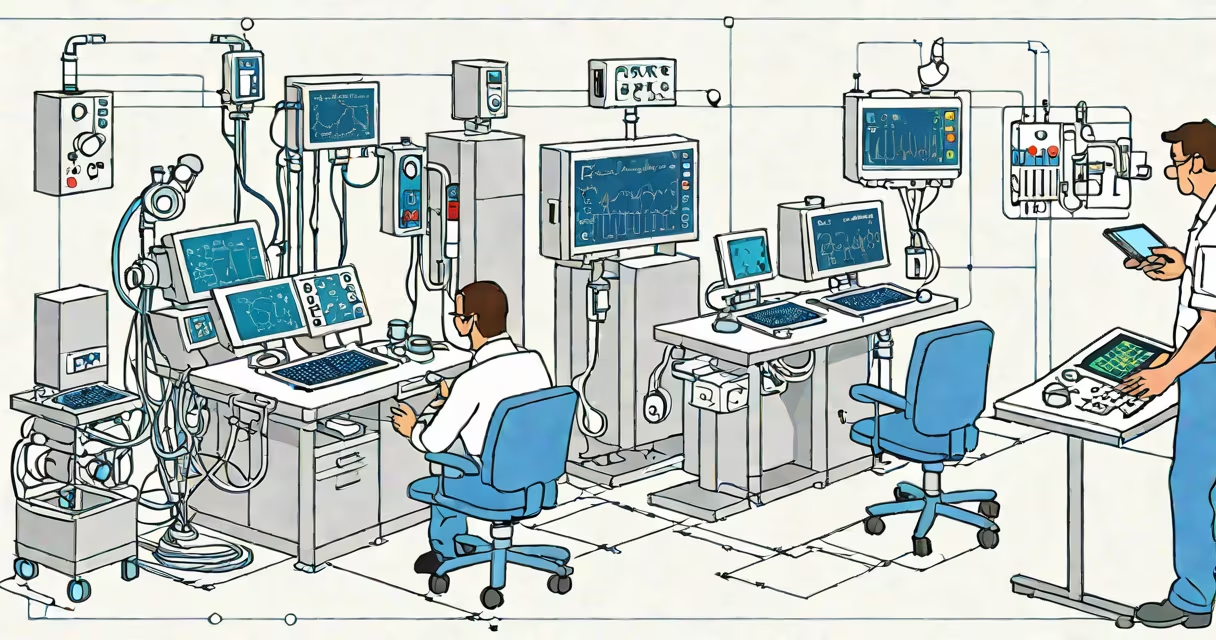
Dialysis for individuals with advanced kidney disease replaces the important functions of healthy kidneys by removing waste, excess fluids, and balancing electrolytes from the bloodstream. It is a life-sustaining treatment when kidney function drops below 10-15% of normal capacity.
When kidneys fail, toxins like urea and creatinine build up in the blood, leading to symptoms such as fatigue, nausea, swelling, and confusion. Without dialysis, these imbalances can cause irreversible organ damage or death within days. Dialysis does not cure kidney disease, but it maintains enough internal balance to allow survival while waiting for a transplant or managing chronic illness.
The two primary forms are hemodialysis and peritoneal dialysis. Hemodialysis uses a machine to filter blood through an artificial membrane, typically done three times a week at a clinic. Peritoneal dialysis uses the lining of the abdomen (peritoneum) as a natural filter, allowing patients to perform treatments at home daily. Both methods aim to mimic the filtration role of healthy kidneys.
Dialysis operates on the principle of diffusion-small molecules move from areas of high concentration to low concentration across a semipermeable barrier. In hemodialysis, blood is drawn from the patient's body, passed through a dialyzer (artificial kidney), and returned after waste and fluid have been removed. The dialyzer contains thousands of tiny hollow fibers bathed in a special solution called dialysate, which pulls out toxins and excess water based on concentration gradients.
A typical hemodialysis session lasts 3 to 4 hours and occurs three times weekly. Machines monitor blood pressure, flow rate, and temperature throughout. Patients often report feeling tired afterward due to rapid shifts in fluid and electrolyte levels. Some experience cramping or low blood pressure during sessions, especially if they've eaten recently or haven't adjusted their fluid intake.
Peritoneal dialysis relies on the peritoneal membrane inside the abdomen. A catheter is surgically placed into the abdominal cavity, and a dialysis solution-rich in dextrose-is infused. Dextrose draws fluid from the bloodstream into the abdominal space. Over several hours, waste products diffuse from capillaries into the solution. The fluid is then drained and replaced with fresh solution. This process, known as exchange, is repeated multiple times daily or overnight using a cycler machine.
Both hemodialysis and peritoneal dialysis serve the same purpose but differ in delivery method, schedule, and patient autonomy.
| Type | Frequency | Location | Duration | Key Advantage |
|---|---|---|---|---|
| Hemodialysis | 3 times/week | Clinic or home (with training) | 3-4 hours/session | Highly monitored, consistent treatment |
| Peritoneal dialysis | Every day (continuous or automated) | Home or travel | 4-6 exchanges/day or overnight | Greater flexibility, fewer dietary restrictions |
Patients with stable health, good mobility, and access to support may prefer peritoneal dialysis because it allows them to maintain routines. Those with cardiovascular instability or poor abdominal anatomy may find hemodialysis safer. A 2021 study published in Journal of the American Society of Nephrology found that peritoneal dialysis patients had lower hospitalization rates during the first year compared to hemodialysis patients, though long-term outcomes were similar.
Dialysis is prescribed when kidney function falls below 15% of normal, measured by estimated glomerular filtration rate (eGFR). An eGFR under 15 mL/min/1.73m² indicates end-stage renal disease (ESRD), requiring either dialysis or transplantation. Symptoms such as persistent swelling, shortness of breath, confusion, or uncontrolled high blood pressure often prompt evaluation.
Common causes of kidney failure include diabetes (responsible for about 45% of new ESRD cases), hypertension (30%), and polycystic kidney disease. In the United States, the Centers for Disease Control and Prevention reports that over 750,000 people live with ESRD, with nearly 500,000 receiving dialysis treatment annually.
Not all patients qualify for immediate dialysis. Some with acute kidney injury recover with supportive care. But in chronic cases, delaying treatment leads to complications like hyperkalemia (dangerously high potassium), metabolic acidosis, and fluid overload. One case study from the National Kidney Foundation documented a 62-year-old man with diabetic nephropathy who developed cardiac arrhythmias after skipping two dialysis sessions due to transportation issues.
Dialysis is not a cure. It manages symptoms and prolongs life but does not reverse kidney damage. Many patients assume dialysis restores full health, but most continue to experience fatigue, reduced energy, and ongoing medication needs. A 2022 survey by the Renal Physicians Association showed that 68% of dialysis patients reported moderate to severe fatigue, despite regular treatments.
Another misunderstanding is that dialysis is always done in hospitals. While many begin treatment at dialysis centers, home hemodialysis is growing. The U.S. Renal Data System notes that home hemodialysis use increased from 1.5% to 4.2% between 2010 and 2020. Training programs now enable patients to perform treatments safely at home with caregiver support.
Some believe dialysis is painful. Most patients report minimal discomfort during sessions. The insertion of needles for hemodialysis may cause brief stinging, but local anesthetics and proper technique minimize pain. Peritoneal dialysis involves catheter placement, which can cause temporary soreness, but infections remain rare with proper hygiene.
I once observed a patient undergoing peritoneal dialysis at home during a medical outreach visit. She managed her exchanges independently, using a cycler machine overnight. Her quality of life improved compared to her previous clinic-based hemodialysis routine. She was able to return to part-time work and travel, illustrating how personalized dialysis plans can improve independence.
Dialysis for end-stage kidney disease is a critical intervention that sustains life when natural kidney function fails. It requires careful planning, adherence to schedules, and ongoing coordination with healthcare providers. Understanding the differences between hemodialysis and peritoneal dialysis helps patients choose the option best suited to their lifestyle, health status, and goals.
For those facing kidney failure, dialysis offers time-time to heal, adapt, and prepare for transplant. It is not a permanent fix, but it is a proven, effective way to manage the condition. With proper care, many patients live well beyond five years on dialysis.