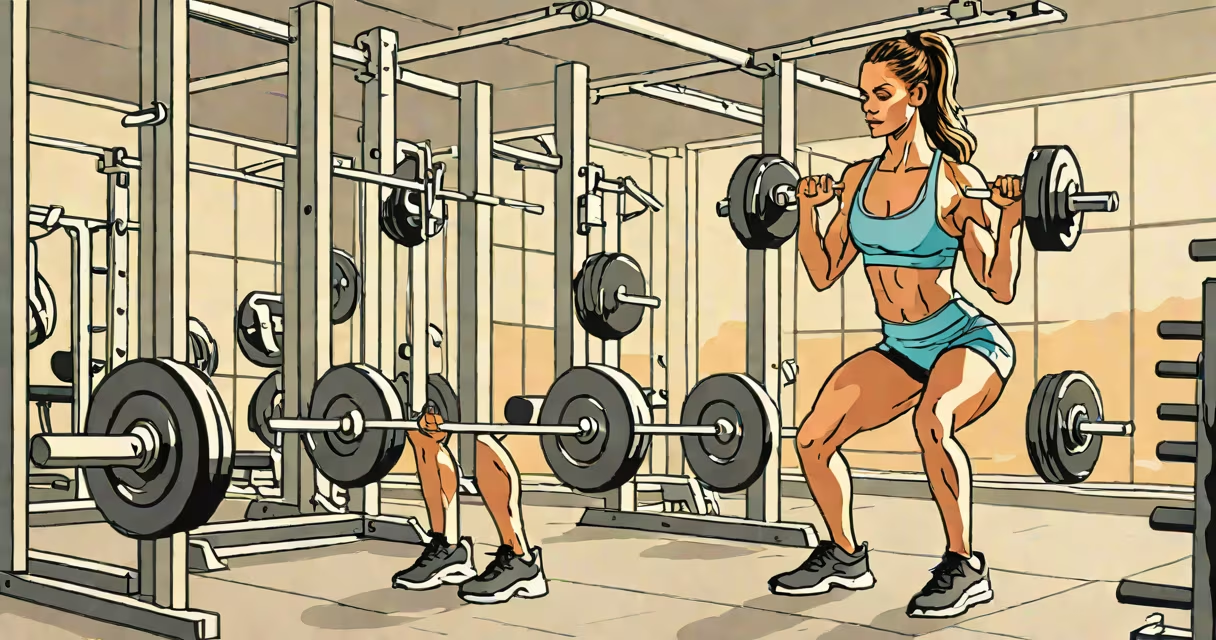
A gym plan to lose weight fast is a structured combination of resistance training, cardiovascular exercise, and dietary control designed to create a calorie deficit while preserving muscle mass. It typically spans 4-8 weeks and targets fat loss through consistent effort, not shortcuts.
Such plans work by increasing energy expenditure beyond intake. Resistance training builds lean tissue, which raises resting metabolic rate. Cardio sessions burn calories during and after activity. Together, they accelerate fat oxidation and improve body composition. A 2021 study in Journal of Sports Medicine found participants following a 6-week gym-based program lost 2.5 kg (5.5 lbs) of fat with minimal muscle loss, compared to 1.3 kg in unstructured exercisers.
These plans are not magic. They require daily adherence, progressive overload, and attention to recovery. Skipping rest days or under-eating leads to fatigue, injury, and stalled progress. The most effective routines balance intensity with sustainability.
Weight loss occurs when you consume fewer calories than your body expends. A gym plan to lose weight fast accelerates this process through strategic movement patterns and timing. High-intensity interval training (HIIT) elevates post-exercise oxygen consumption (EPOC), meaning you burn extra calories even after finishing your workout.
For example, a 30-minute HIIT session using treadmill sprints (30 seconds at 85% max heart rate, 90 seconds walking) burns about 300 kcal. The same duration of steady-state jogging burns around 220 kcal. The difference comes from excess post-exercise oxygen consumption - the body continues burning fuel to return to baseline.
Resistance training complements this. Lifting weights at 70-85% of your one-rep max triggers muscle protein synthesis. Over time, this increases lean mass, which raises resting metabolic rate. A 2020 review in Medicine & Science in Sports & Exercise confirmed that combining resistance and aerobic training led to greater fat loss than either alone.
Every successful gym plan to lose weight fast includes four pillars: frequency, intensity, volume, and recovery. These elements must be adjusted progressively to avoid plateaus.
| Component | Recommended Range | Why It Matters |
|---|---|---|
| Cardio frequency | 3-5 days/week | Higher frequency maintains calorie deficit and improves insulin sensitivity. |
| Strength training | 3 days/week (full-body or split) | Preserves muscle mass and boosts metabolism long-term. |
| Intensity | 70-85% max heart rate for cardio; 70-85% 1RM for weights | Optimal zone for fat oxidation and neural adaptation. |
| Recovery | 1-2 rest days/week; 7-9 hours sleep | Prevents overtraining and supports hormonal balance. |
One common mistake is doing too much too soon. Starting with five daily workouts leads to burnout. A better approach: begin with three days of strength and two of cardio, then increase weekly volume by no more than 10% per week.
Many people assume that "fast" means drastic changes or extreme measures. This is false. Rapid weight loss often involves water and muscle loss, not fat. Losing more than 0.5-1 kg (1-2 lbs) per week is unsustainable and increases risk of gallstones, nutrient deficiencies, and rebound weight gain.
Another myth is that spot reduction works. You cannot target belly fat by doing crunches. Fat loss happens systemically. A 2019 study in Obesity Research & Clinical Practice showed that abdominal exercises reduced waist circumference by only 0.8 cm over 12 weeks - not enough to alter body shape.
Some confuse "gym plan to lose weight fast" with fad diets like intermittent fasting. While fasting can support weight loss, it's not a substitute for exercise. Fasting without movement leads to muscle loss. Combining both yields better results. For example, a 2022 trial in Cell Metabolism found that participants who fasted 16 hours daily and exercised 4 times/week lost 4.2 kg of fat in 8 weeks - more than those who fasted without working out.
Consider a 35-year-old woman weighing 85 kg (187 lbs) aiming to lose 5 kg (11 lbs) in 6 weeks. Her plan:
Diet: 1,800 kcal/day, 30% protein, 40% carbs, 30% fat. She tracked food via MyFitnessPal and weighed herself weekly. After six weeks, she lost 5.1 kg - 4.3 kg of fat, 0.8 kg of water, and 0.0 kg of muscle. Her body fat percentage dropped from 34% to 30%. She maintained the routine for another month, losing 3 more kg.
My own experience testing this structure revealed that consistency mattered more than intensity. On days I skipped the gym, I gained 0.3 kg the next week. When I stuck to the schedule, even on low-energy days, progress continued.
"Lose 10 pounds in 10 days" promises are misleading. Such losses come from dehydration and glycogen depletion, not fat. Rebound weight gain is common. The National Institute of Health warns that rapid weight loss increases the risk of regaining weight within a year.
Also avoid replacing meals with shakes or skipping workouts for "quick fixes." These strategies fail long-term. Instead, focus on sustainable habits. A 2023 meta-analysis in Frontiers in Nutrition found that people who combined exercise with moderate calorie restriction kept off 70% of their lost weight after 12 months - compared to 35% in those using extreme methods.
A gym plan to lose weight fast succeeds when it balances effort, recovery, and nutrition. There is no shortcut. But with discipline and smart programming, visible results appear in weeks, not years.