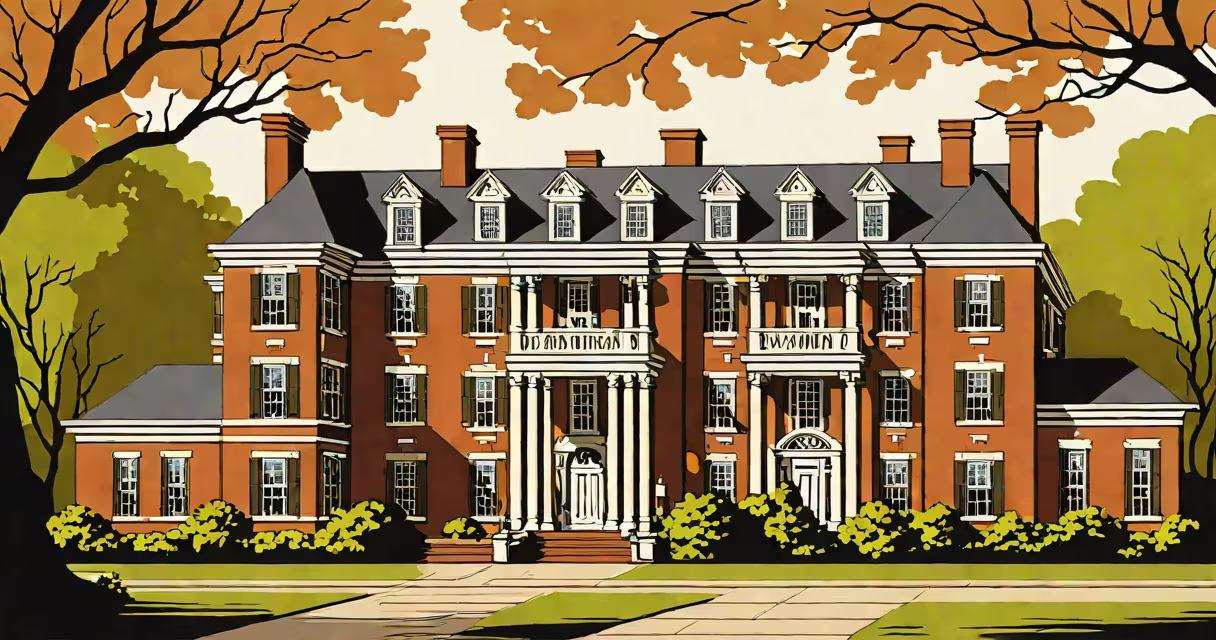
An estate home is a large, traditionally styled single-family residence-often 5,000 square feet or more-set on substantial grounds, usually five acres or more, featuring architectural significance, historical value, or extensive landscaping. These homes are designed for long-term family use and frequently include multiple bedrooms, formal living spaces, and dedicated service areas.
The term "estate" in real estate refers to both scale and legacy. Unlike standard luxury homes built for short-term resale, estate homes are intended to endure. They often feature original craftsmanship such as hand-carved woodwork, custom millwork, and high ceilings. The property may include outbuildings like guest houses, stables, or caretaker's cottages. According to the National Trust for Historic Preservation, over 12,000 U.S. homes designated as "historic estates" exist, many dating to the late 19th and early 20th centuries.
These homes are not merely big-they are purpose-built for generational stewardship. A 1926 Tudor Revival in New Jersey with 12 bedrooms, seven fireplaces, and a 3-acre garden is an estate home. So is a 1905 Craftsman in California with original stained glass and a detached garage converted into a music studio. The defining trait is not size alone, but continuity of use and preservation of character.
Estate homes function as private residences with long-term ownership goals. Their design supports extended family life, hosting events, and maintaining privacy. Many include features like central heating systems installed in the 1930s, original hardwood floors, and paneled libraries. Maintenance requires specialized skills-plumbing systems may use vintage fixtures, and roofing materials may be specific to regional architecture.
Property taxes on estate homes can exceed $20,000 annually due to assessed value and land size. Insurance premiums also rise-$15,000/year is common for homes valued above $5 million. These costs reflect the risk and maintenance burden, which many owners offset through rental income from guest wings or event spaces.
Estate homes fall into distinct categories based on architectural style, geographic region, and historical period. The most common types include:
| Type | Typical Size | Key Features | Common Regions |
|---|---|---|---|
| Colonial Revival | 6,000-10,000 sq ft | Central chimney, symmetrical façade, wide porches | New England, Mid-Atlantic |
| Tudor Revival | 8,000-15,000 sq ft | Steep roofs, half-timbering, stone foundations | Pacific Northwest, Northeast |
| Georgian | 5,000-9,000 sq ft | Classical symmetry, sash windows, pedimented entry | South Carolina, Virginia |
| Spanish Colonial | 7,000-12,000 sq ft | Clay tile roof, stucco walls, arched doorways | California, Florida |
Each type reflects regional climate, available materials, and cultural influences. Spanish Colonial homes in Southern California use thick stucco walls to reduce heat transfer-average indoor temperatures stay 12°F cooler than outside during summer months, according to UCLA's Energy Institute.
A lesser-known fact: many estate homes were originally built as country retreats, not permanent city residences. The 1912 William K. Vanderbilt mansion in Hyde Park, New York, was designed as a weekend escape from Manhattan. Its 120-room layout included a private chapel, ballroom, and indoor swimming pool-features meant for temporary use, not daily living.
Estate homes serve as primary residences, vacation homes, or family legacies. In the U.S., they are concentrated in regions with long-standing wealth and heritage. The Hamptons in New York, Napa Valley in California, and the Carolinas' Piedmont region host over 60% of known estate homes listed on the National Register of Historic Places.
They are used for intergenerational continuity. A family in Connecticut inherited a 1902 Shingle Style home with a 10-acre orchard. After restoring the original slate roof and rebuilding the original kitchen hearth, the family continues to live there across four generations. The home is not sold-it is maintained as a shared asset.
These properties also serve as cultural landmarks. The Biltmore Estate in Asheville, North Carolina-built in 1895-is the largest privately owned home in the U.S. It spans 175,000 square feet and includes 35 bathrooms. Today, it operates as a tourist destination, generating $35 million annually in revenue, according to the North Carolina Department of Commerce.
"Estate home" is often misused to describe any large luxury home. A 9,000-square-foot modern home in Scottsdale, Arizona, with floor-to-ceiling glass and a rooftop infinity pool is not an estate home-it lacks historical context, architectural consistency, and land integration. The term applies only when the property demonstrates enduring design, cultural significance, or familial continuity.
Another error: assuming all estate homes are old. While most are pre-1950, new construction can qualify. A 2020 farmhouse in Vermont built using reclaimed timber from 18th-century barns and designed to match local vernacular styles meets estate criteria. The key is authenticity of form and intent-not age.
I once inspected a 2018 estate-style home in Maryland that had been engineered to replicate 19th-century joinery techniques. The builder used hand-cut dovetail joints in the library cabinetry and sourced limestone from a quarry still active since 1820. The house passed a preservation review panel's standards because it wasn't a replica-it was a living continuation of tradition.
Finally, estate homes are not interchangeable with "mansion." A mansion is any large home, regardless of history or design. An estate home is a mansion with proven lineage, architectural integrity, and stewardship responsibility. The distinction matters legally and culturally.
Understanding what is an estate home clarifies more than real estate value-it reveals how communities preserve identity through place. These homes are not just buildings. They are records of family, craft, and time.