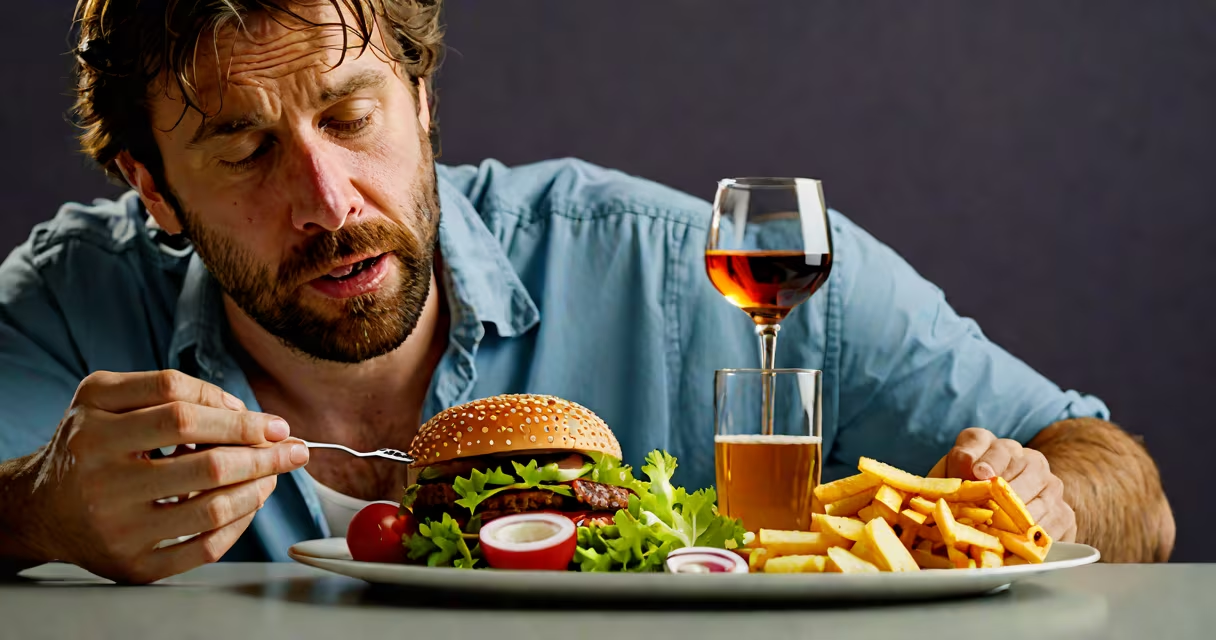
A hangover or food poisoning describes distinct health conditions triggered by different causes: hangovers result from excessive alcohol consumption, while food poisoning stems from ingesting contaminated food or drink. Both cause nausea, vomiting, and fatigue, but their timing, triggers, and severity differ.
Hangovers arise from ethanol metabolism and dehydration. Alcohol suppresses antidiuretic hormone, increasing urine output and fluid loss. It also generates acetaldehyde, a toxic byproduct linked to headaches and nausea. Symptoms typically begin 6-12 hours after drinking ends and peak around 24 hours. A 2018 study in Alcohol Research: Current Reviews confirmed acetaldehyde accumulation correlates strongly with hangover intensity.
Food poisoning results from pathogens like Salmonella, Campylobacter, or norovirus, or toxins such as those from Staphylococcus aureus. These organisms enter the body via undercooked meat, unpasteurized dairy, or cross-contaminated surfaces. Symptoms usually appear within 2-6 hours of ingestion and may include explosive diarrhea, high fever, and severe cramping. The CDC reports that 48 million Americans experience foodborne illness annually, with 128,000 hospitalizations.
Hangovers involve metabolic disruption. After alcohol is absorbed in the small intestine, the liver processes it through alcohol dehydrogenase (ADH), producing acetaldehyde. This compound damages cells and triggers inflammation. Dehydration reduces blood volume, lowering oxygen delivery to the brain and causing dizziness. Sleep quality deteriorates due to suppressed REM cycles, worsening fatigue.
Food poisoning acts through direct gastrointestinal invasion. Pathogens attach to intestinal lining cells, release toxins, and provoke immune responses. For example, Shigella bacteria invade the colon, triggering intense inflammation and diarrhea. Norovirus replicates rapidly in the gut, leading to sudden-onset vomiting. Symptoms often resolve within 24-72 hours, though some strains like Listeria can persist for weeks.
One key difference lies in onset. Hangover symptoms emerge gradually after alcohol stops being consumed. Food poisoning strikes quickly after eating contaminated food. If you ate grilled chicken at a picnic and developed nausea within four hours, food poisoning is likely. If you drank five beers at a party and felt ill the next morning, a hangover is probable.
Hangovers vary based on alcohol type and quantity. Darker liquors contain more congeners-byproducts of fermentation that worsen symptoms. A 2010 study in Drug and Alcohol Dependence found that bourbon drinkers reported more severe hangovers than vodka drinkers, even after consuming equal amounts of ethanol.
| Type | Common Triggers | Typical Onset | Duration |
|---|---|---|---|
| Hangover | Excessive beer, wine, spirits | 6-24 hours after drinking | 12-72 hours |
| Salmonella food poisoning | Undercooked poultry, eggs | 6-72 hours after ingestion | 4-7 days |
| Norovirus infection | Contaminated water, raw shellfish | 12-48 hours after exposure | 1-3 days |
| Staphylococcal toxin poisoning | Improperly stored potato salad, custard | 1-6 hours after eating | 4-6 hours |
Staphylococcal food poisoning is unique: it's caused by pre-formed toxins, not live bacteria. Eating a sandwich left out at room temperature for six hours can trigger symptoms within an hour. The toxin resists heat, so reheating doesn't eliminate risk.
Many people assume a hangover is just "dehydration." While fluid loss contributes, research shows it's only part of the picture. A 2019 review in Frontiers in Neurology identified neuroinflammation and disrupted circadian rhythms as major drivers. Rehydrating alone won't relieve all symptoms.
Another misconception is that vomiting always indicates food poisoning. Nausea and vomiting occur in both conditions. However, food poisoning often includes watery diarrhea and fever above 101°F (38.3°C). Hangovers rarely feature fever. If your temperature is elevated, suspect infection.
I once observed a patient who believed they had a hangover after a weekend of drinking. They were admitted to the ER with a fever of 102.4°F and bloody diarrhea. Tests revealed Shigella infection. Their initial diagnosis was incorrect because they ignored red flags: persistent vomiting, high fever, and abdominal pain lasting beyond 24 hours.
Dehydration is a shared concern. Both conditions reduce fluid intake and increase losses. Severe dehydration signs include dry mouth, sunken eyes, rapid heartbeat, and confusion. If you can't keep fluids down for more than 12 hours, or notice dark urine, seek care.
Red flags for food poisoning include:
For hangovers, medical attention is rare unless there's alcohol dependence or recurring episodes. Persistent headaches, tremors, or memory lapses suggest a deeper issue.
Recovery strategies differ. For hangovers, rest, hydration, and electrolyte replacement help. Foods rich in potassium-like bananas or coconut water-support recovery. For food poisoning, avoid solid foods until vomiting stops. Gradually reintroduce clear liquids, then bland foods like rice and toast.
Understanding the difference between hangover or food poisoning prevents mismanagement. Accurate recognition leads to faster recovery and fewer complications.