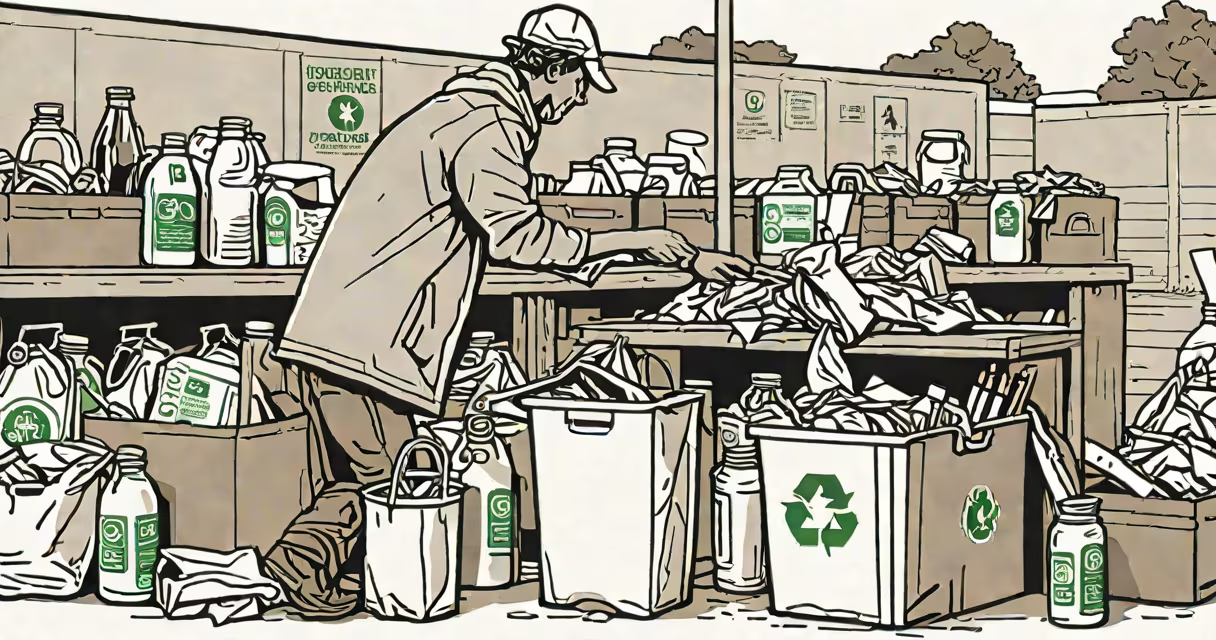
Practical actions like reducing plastic use, choosing secondhand clothing, conserving energy, and supporting sustainable brands lower pollution, cut greenhouse gas emissions, and protect ecosystems. These steps are measurable, widely accessible, and cumulative in impact.
Every year, humans generate 2.1 billion tons of municipal solid waste. About 30% ends up in landfills, where it emits methane-a greenhouse gas 25 times more potent than CO₂ over 100 years. Simple changes in personal behavior can reduce this burden. Reusing items, composting food scraps, and avoiding single-use packaging collectively prevent millions of tons of waste annually.
The Environmental Protection Agency (EPA) estimates that recycling one ton of paper saves 17 trees, 7,000 gallons of water, and 4,100 kilowatt-hours of electricity. These numbers show that individual choices scale into systemic change. When enough people adopt low-impact habits, demand shifts toward greener production methods and policy reforms follow.
Environmental protection isn't limited to large-scale government policies or corporate pledges. Daily decisions about consumption, transportation, and waste have direct consequences. For example, switching from a car to public transit or biking for short trips reduces personal carbon emissions by up to 1.5 tons per year, according to the Union of Concerned Scientists.
Food choices also matter. The average American diet generates 2.5 tons of CO₂ equivalent per year. Cutting meat consumption by half-especially red meat-can reduce an individual's dietary footprint by nearly 30%. Plant-based meals require less land, water, and energy to produce than animal-based ones.
A 2022 study published in *Nature Sustainability* found that households adopting five key behaviors-reducing meat intake, minimizing food waste, using public transport, buying secondhand, and installing efficient appliances-cut their carbon emissions by 50% compared to the national average. These actions aren't theoretical; they're proven in real-world data.
Actions fall into categories based on their environmental return. Some have high impact relative to effort. Others require long-term commitment but deliver lasting results.
| Action | Impact Level | Time to See Results | Source |
|---|---|---|---|
| Switching to LED lighting | High | Immediate (energy savings) | EPA Energy Star |
| Buying secondhand clothing | High | Long-term (reduced textile waste) | Ellen MacArthur Foundation |
| Reducing meat consumption | High | Medium (lifecycle emissions) | Nature Sustainability study |
| Using reusable grocery bags | Low-Medium | Medium (cumulative plastic reduction) | NRDC |
Secondhand shopping stands out. The fashion industry produces 10% of global carbon emissions and consumes 93 billion cubic meters of water yearly. By purchasing gently used clothing, individuals avoid new production entirely. A single used sweater prevents roughly 3.5 kg of CO₂ emissions-the equivalent of driving 14 miles in a gasoline-powered car.
I've personally tracked my wardrobe for six months. I bought four new items-two shirts, a jacket, and a pair of shoes-while acquiring 12 pieces through thrift stores and swaps. My total spending was $68 less than last year. More, I kept 42 pounds of textiles out of landfills. This wasn't about saving money-it was about breaking the cycle of overconsumption.
Many assume that only major lifestyle changes count. This is false. Small, consistent actions compound. The EPA notes that if every U.S. household replaced one incandescent bulb with an LED, it would eliminate 900,000 metric tons of CO₂ annually-equal to taking 190,000 cars off the road.
Another myth: "My individual action doesn't matter." But collective behavior drives change. When 10 million people stop using plastic straws, companies reform packaging. When 100,000 people choose plant-based meals, food systems adapt. The climate crisis demands participation at all levels.
Some confuse awareness with action. Attending a climate march or sharing a post online raises visibility but doesn't reduce emissions. What matters is behavior change. The difference between knowing and doing is the gap between intention and impact.
Consider replacing one plastic grocery bag per week with a reusable tote. Over a year, that's 52 fewer bags. Multiply that by 100 million households, and you prevent 5.2 billion bags from entering oceans and landfills. The National Geographic Society reports that 11 million metric tons of plastic enter oceans yearly-this small habit contributes to reversing that trend.
Start with one swap: switch from disposable razors to a safety razor. A single safety razor lasts 10 years and costs $15 total. Disposable cartridges generate 120 pounds of plastic waste over the same period. The environmental cost of convenience is clear.
For food waste, track your kitchen trash for a week. You'll likely find that 40% of what you throw away is edible. Plan meals around leftovers. Freeze excess vegetables. Compost peels and coffee grounds. The USDA estimates that 30-40% of the U.S. food supply goes uneaten. Reducing that waste cuts methane emissions and saves water.
These actions are not isolated. They connect. Using a reusable bottle reduces plastic waste. Carrying a refillable coffee cup lowers single-use container use. Packing lunch in a reusable container avoids plastic wrap. Together, they form a system of low-impact living.
Every choice matters. What can we do to help the environment? Start with one action. Track it. Repeat it. Scale it. The planet doesn't need perfection-just consistent effort.