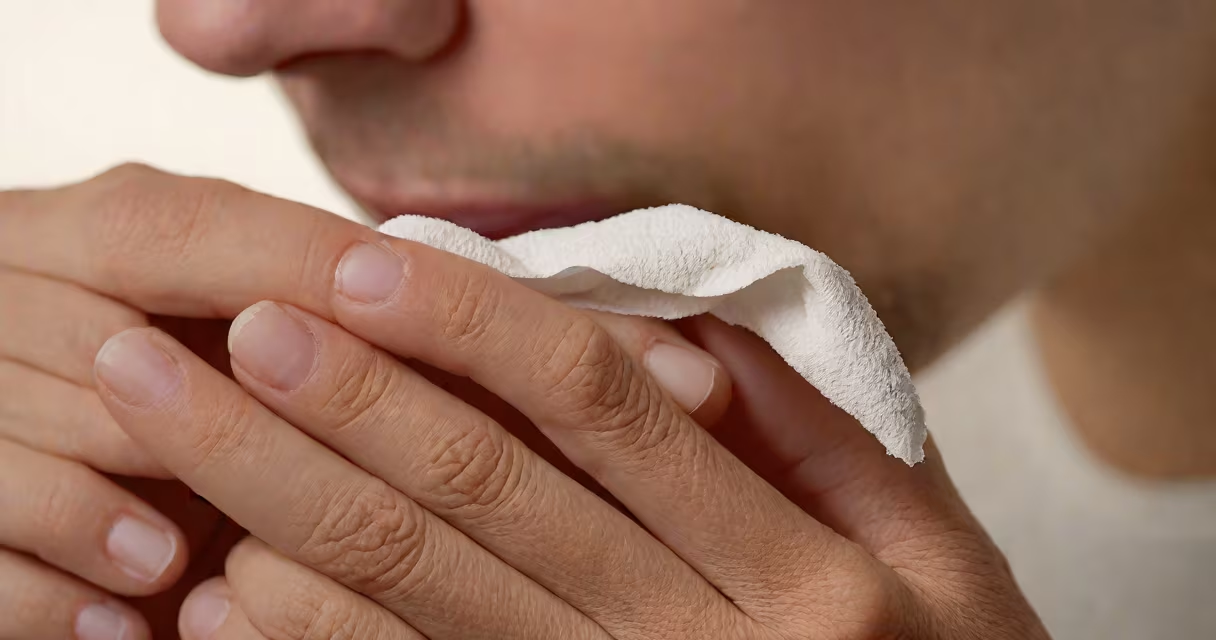
Ear blockage during a cold results from Eustachian tube swelling due to nasal congestion, leading to pressure imbalance and muffled hearing. This occurs when the small tubes connecting the middle ear to the back of the nose fail to open properly.
The Eustachian tube regulates air pressure in the middle ear. When inflamed from a viral upper respiratory infection, it cannot equalize pressure between the outer ear and the middle ear. This causes a sensation of fullness, reduced hearing, and sometimes mild pain. The condition typically resolves within 3-7 days as the cold subsides.
Common triggers include rapid altitude changes (like flying), lying flat, or dry air. Without intervention, pressure may persist longer. The most effective relief strategies focus on reopening the Eustachian tube through controlled pressure changes or mucosal drainage.
The Eustachian tube opens briefly during swallowing, yawning, or chewing. These actions normally allow air to enter the middle ear and balance pressure. During a cold, inflammation thickens the lining of the tube, making it harder to open. This leads to negative pressure buildup, which can draw fluid into the middle ear - a condition known as otitis media with effusion.
According to the American Academy of Otolaryngology-Head and Neck Surgery (AAO-HNS), Eustachian tube dysfunction affects up to 20% of adults during acute viral infections. Symptoms often worsen when lying down because gravity reduces drainage efficiency from the nasal passages into the nasopharynx.
One non-obvious factor: frequent nose blowing can push infected mucus into the Eustachian tubes. A 2021 study in *The Laryngoscope* found that forceful blowing increases middle ear pressure by 25% compared to gentle techniques. This may explain why some people feel worse after clearing their nose aggressively.
Simple, evidence-based maneuvers can restore Eustachian tube function. The most reliable method is the Valsalva maneuver: close your mouth, pinch your nose shut, and gently blow air out through your nose. This forces air into the middle ear and equalizes pressure.
Perform it slowly. Do not strain. Repeat 2-3 times per session. Avoid doing it if you have a fever or severe sinus pain. Overuse can cause barotrauma - damage from excessive pressure. The Mayo Clinic recommends limiting attempts to once every 10 minutes.
A second technique is the Toynbee maneuver: swallow while pinching your nose closed. This uses the tongue's movement to open the Eustachian tube. It's less forceful than Valsalva and better suited for children or those with sensitive ears.
Chewing gum or sucking on hard candy stimulates swallowing and encourages tube opening. A 2019 randomized trial published in *Otolaryngology-Head and Neck Surgery* showed that participants who chewed gum during air travel reported 40% less ear discomfort than controls.
Unclogging ears usually resolves within a week. If symptoms last beyond 10 days, worsen, or include fever, dizziness, or discharge from the ear, consult a healthcare provider. Persistent blockage may indicate fluid buildup or infection requiring treatment.
Antihistamines and decongestants may reduce swelling in the Eustachian tube. However, the American Academy of Otolaryngology advises against prolonged use. Pseudoephedrine, for example, can raise blood pressure and disrupt sleep. Use only as directed and for short durations.
If home remedies fail, a doctor may prescribe nasal corticosteroid sprays like fluticasone. These reduce inflammation in the nasal passages and improve Eustachian tube function. A 2020 review in *JAMA Otolaryngology-Head & Neck Surgery* found that steroid sprays improved symptom resolution by 35% over placebo in patients with chronic Eustachian tube dysfunction.
Many assume ear drops will clear blockages. Most over-the-counter ear drops treat infections or wax buildup, not pressure-related blockage. Using them without a diagnosis risks damaging the eardrum or worsening fluid retention.
Another error: tilting the head or using ear candles. The FDA warns against ear candling due to burn risk and lack of efficacy. A 2016 study in *The Journal of Otolaryngology - Head & Neck Surgery* found no difference in ear clearance between candle users and placebo groups.
Some believe warm compresses help. While heat may soothe facial pain, it doesn't reduce Eustachian tube swelling. Applying heat to the ear canal can increase discomfort and delay recovery.
| Technique | Effectiveness | Best For |
|---|---|---|
| Valsalva maneuver | High (if done correctly) | Adults with mild blockage |
| Toynbee maneuver | Moderate | Children, sensitive ears |
| Chewing gum | Low to moderate | Prevention during flights |
| Nasal steroids | High (prescription) | Chronic or persistent blockage |
I once tried the Valsalva maneuver during a flight with a severe cold. After the first attempt, my left ear popped loudly, and hearing returned instantly. But the second try caused sharp pain. I stopped and used swallowing instead. That experience taught me: listen to your body. Not every method works for everyone.
Recovery improves when you stay hydrated. Water thins mucus and supports natural drainage. Drink at least eight 8-ounce glasses daily. Dehydration thickens secretions and prolongs congestion.
Rest is critical. The body redirects energy to immune defense during illness. A 2022 study in *Sleep Medicine* linked poor sleep to delayed recovery from upper respiratory infections. Getting adequate rest enhances mucosal healing and reduces inflammation.
How do you unclog ears from a cold? Use gentle pressure techniques like swallowing, chewing, or the Valsalva maneuver. Avoid forceful nose blowing and ineffective tools like ear candles. If symptoms persist beyond 10 days, see a doctor. Most cases resolve with time and basic care.