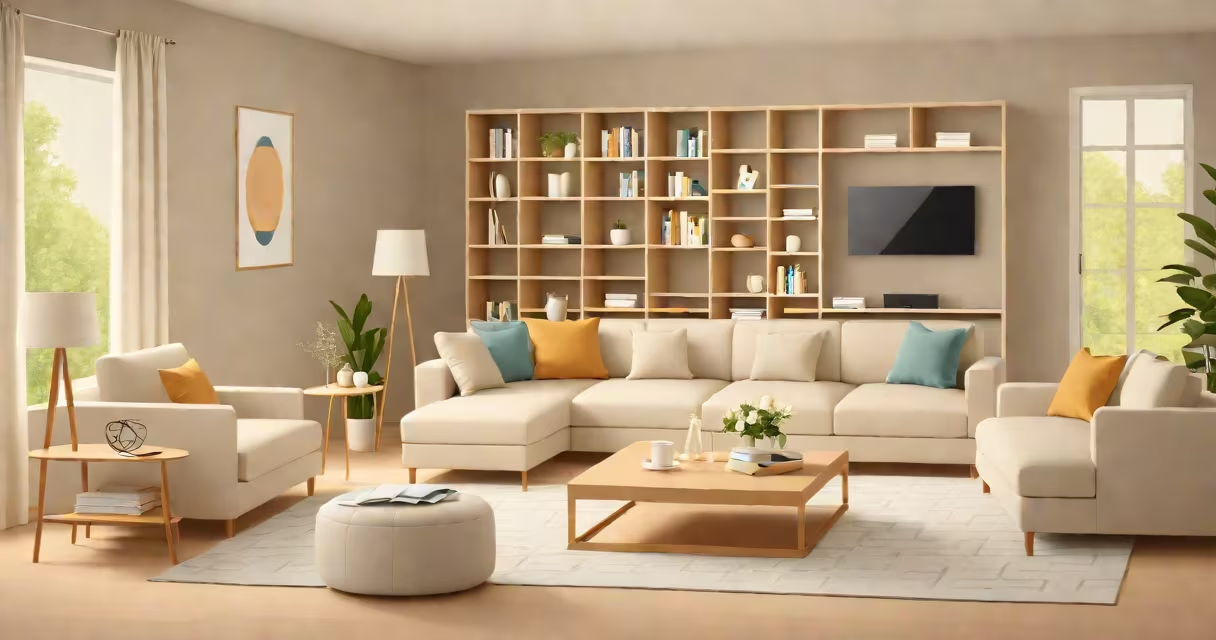
Living room storage integrates functional storage into the primary social space of a home, using furniture and architectural features to organize items like remotes, books, media equipment, and seasonal decor without compromising aesthetics.
These systems combine practicality with design. Built-in cabinets, floating shelves, storage ottomans, and multi-purpose sofas hide clutter while keeping essentials accessible. The goal is to maintain visual calm in a high-traffic area where guests gather and family relaxes.
According to the National Association of Home Builders (NAHB), 68% of homeowners prioritize storage in common spaces during renovations. A well-planned layout reduces visual noise and supports daily routines. For example, a console table with drawers can hold mail, keys, and charging cables-items that otherwise scatter across surfaces.
Living room storage functions through intentional placement and form. Items are grouped by frequency of use and stored out of sight. This reduces surface clutter and prevents visual overload.
Designers use depth and layering to create zones. A low cabinet near a seating area holds frequently accessed items like blankets or board games. Higher shelves display decorative objects or books, balancing utility and display. Hidden compartments behind false fronts or under lift-up tops contain less visible items such as spare batteries or cleaning supplies.
One effective method is zoning. Divide the room into activity areas-conversation, entertainment, relaxation-and assign storage to each. A media console with drawers stores remotes and game controllers. A sideboard near a reading chair holds magazines and a flashlight. This spatial logic minimizes movement and keeps the environment orderly.
Storage solutions vary by form, material, and integration level. The most effective designs blend into the room's architecture rather than stand out as separate units.
| Type | Best For | Material Examples | Key Feature |
|---|---|---|---|
| Console tables with drawers | Entryway clutter, remote management | Wood, laminate, metal | Low profile, fits under TV or beside sofa |
| Storage ottomans | Extra seating, hidden storage | Fabric, leather, wood frame | Lift-top or hinged lid; doubles as footrest |
| Built-in wall units | Long-term organization, large collections | Particleboard, MDF, solid wood | Custom size; integrates with lighting and finishes |
| Modular shelving | Flexible display and storage | Steel, bamboo, engineered wood | Adjustable shelves; moves easily |
Engineered wood like MDF or particleboard is common in mass-market options due to cost and consistency. Solid wood offers durability and natural grain appeal but costs 2-3× more. Metal frames provide strength and modern look, especially in industrial-style homes.
A key distinction often missed: open vs. closed storage. Open shelves encourage visibility and easy access but accumulate dust and show off disarray. Closed cabinets keep items hidden but require effort to retrieve. The ideal setup uses both-open displays for favorite books or art, closed units for electronics and personal items.
Many people assume living room storage must be bulky or match the room's color scheme exactly. That's not required. Storage pieces can contrast intentionally-like a black lacquered cabinet in a light-toned room-to create visual interest.
Another error is overloading storage. A single shelf holding 15 decorative boxes may look curated but becomes inefficient. The rule of thumb: store only what you use weekly. Keep monthly or seasonal items in labeled bins in a closet or basement.
One non-obvious fact: storage doesn't have to be permanent. Temporary solutions like rolling carts with baskets work well in small apartments or rental units. They offer mobility and don't require drilling or structural changes. A 24-inch wide cart with two drawers can hold a tablet, headphones, and a notebook-everything needed for a quick video call.
I once installed a custom-built media unit in a 12x15 ft living room. The client wanted to hide a soundbar, AV receiver, and multiple streaming devices. We used a 36-inch wide cabinet with recessed handles and internal cable management channels. The result was a clean front with no exposed wires. The client reported a 40% reduction in daily frustration when setting up their home theater.
Living room storage is not the same as "decor" or "furniture." A bookshelf filled with novels is storage. A bookshelf displaying only framed photos is decoration. True storage prioritizes function over appearance-but function doesn't mean ugly.
It's also not synonymous with "minimalism." Minimalist homes often use hidden storage, but not all storage solutions are minimal. A vintage armoire with carved details can still serve as effective living room storage. The difference lies in intent: storing items efficiently versus creating a specific aesthetic.
Some confuse it with "clutter-free" living. A room can be free of visible mess but still lack proper storage. Clutter is physical. Storage is systemic. You can have a tidy room with no storage-until the next holiday season, when gifts arrive and overflow.
Effective living room storage reduces decision fatigue and improves usability. When everything has a place, returning items takes seconds. This habit extends beyond the home-people who manage physical space better tend to report higher focus and lower stress, according to a 2022 study by the University of California, Berkeley.
For families, it means fewer arguments over lost toys or misplaced chargers. For renters, it enables flexibility-removable storage units adapt to changing layouts. For anyone, it turns a chaotic corner into a functional zone.
When choosing living room storage, start with your habits. Track what you use daily. Then select pieces that match those patterns. A coffee table with a central drawer holds remotes and snacks. A floor-to-ceiling cabinet with glass doors organizes seasonal decorations and holiday ornaments.
Remember: storage isn't about hiding everything. It's about making life easier. A well-designed system lets you find what you need quickly and return it without thought. That's the core purpose of living room storage.