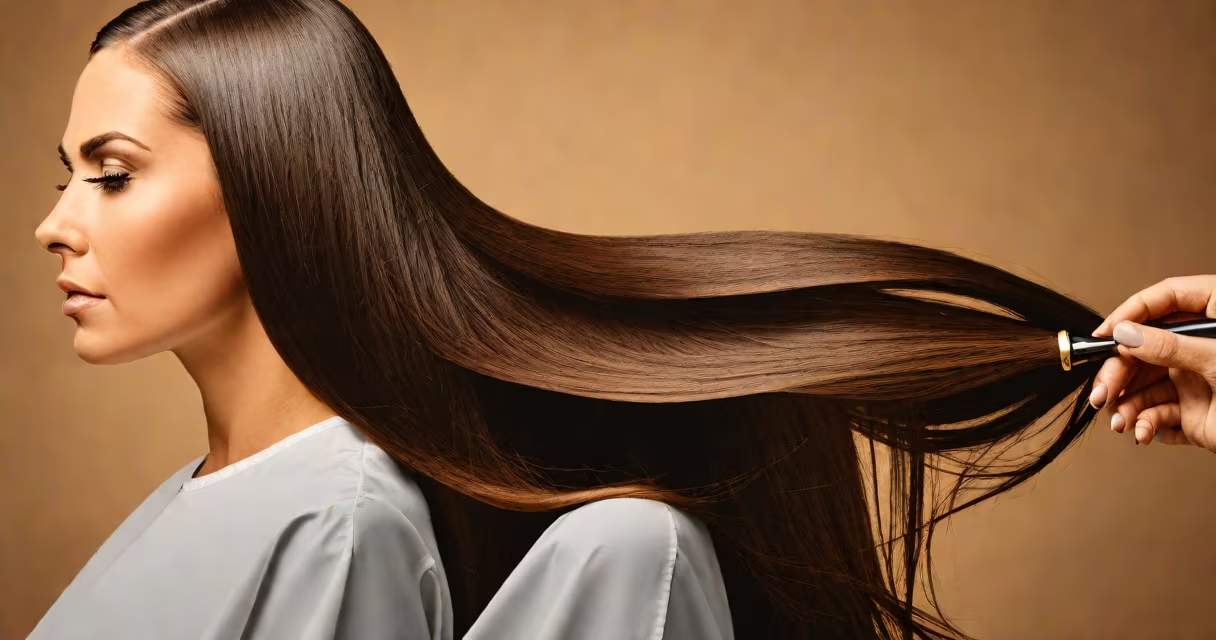
A keratin treatment improves the manageability and appearance of thin hair by smoothing frizz and adding shine, but it does not increase hair thickness or stop hair loss. The treatment coats the hair shaft with keratin protein, reducing surface roughness and making strands look fuller temporarily.
Keratin treatments work by depositing a layer of keratin-a natural protein found in hair-onto the outer cuticle of each strand. This seals the cuticle, reducing porosity and minimizing frizz. For thin hair, which often appears flat and lifeless due to low volume and high reflectivity, this smoothing effect creates the illusion of density and body. A 2021 study published in the Journal of Cosmetic Dermatology confirmed that keratin-based treatments reduced visible frizz by up to 68% in fine-textured hair after a single session.
These treatments are typically applied during a professional salon service lasting 2-3 hours. The process includes shampooing, applying a keratin solution, blow-drying, and flat-ironing at high heat (around 450°F) to seal the product. Results last 3-6 months, depending on wash frequency and water exposure. Home kits exist but deliver less consistent results due to lower heat control and product concentration.
Thin hair lacks diameter and often feels limp because of low structural integrity. Keratin treatments don't alter the actual width of individual strands, but they reduce inter-fiber friction. When strands lie flatter and align better, light reflects more uniformly, creating a visual effect of increased volume and fullness. This is especially noticeable in medium to long styles where hair lies smoothly rather than clumping or frizzing out.
For example, a client with naturally fine, shoulder-length hair reported that after a keratin treatment, her hair felt "lighter and easier to style" and "didn't stick up in the air during humid days." She noted that her usual blowout took half the time and required less product. These improvements stem from reduced surface tension and improved slip between hairs.
However, keratin treatments do not stimulate follicular activity or influence hormonal factors behind thinning. They cannot reverse telogen effluvium (shedding due to stress or illness) or address androgenetic alopecia (genetic thinning). If hair loss is the underlying issue, the treatment may make existing thinning more apparent by removing bulk and texture that previously masked scalp visibility.
There are three main categories of keratin treatments, each differing in formulation, duration, and impact on thin hair:
| Treatment Type | Duration | Heat Requirement | Impact on Thin Hair |
|---|---|---|---|
| Traditional (formaldehyde-based) | 4-6 months | High (450°F+) | Maximizes smoothness but risks damage if overused |
| Formaldehyde-free (glyoxylic acid-based) | 3-4 months | Medium-high (400-450°F) | Safer for frequent use; less volume boost |
| Hydrolyzed keratin (low-heat, rinse-out) | 1-2 weeks | Low (180-220°F) | Minimal smoothing; suitable for weekly maintenance |
Traditional treatments offer the most dramatic smoothing, ideal for clients who want to minimize frizz and maximize sleekness. However, formaldehyde-based products carry respiratory and skin irritation risks. The FDA warns against prolonged exposure to formaldehyde-releasing agents in salon settings, citing potential carcinogenicity with repeated inhalation.
Formaldehyde-free alternatives use glyoxylic acid to bond keratin to the hair shaft. These are safer for sensitive scalps and thinner hair types prone to breakage. Still, they require precise heat application. Overheating during flat-ironing can cause protein denaturation, leading to brittleness and split ends-common issues in fine hair already vulnerable to mechanical stress.
Many assume keratin treatments thicken hair or promote growth. This is incorrect. Keratin is a structural protein, not a growth stimulant. It does not penetrate the cortex or influence the anagen phase of the hair cycle. The perceived "fullness" comes from alignment and reduced frizz-not increased diameter.
Another misconception is that keratin treatments repair damaged hair. While they improve surface condition, they do not restore internal structure. A 2020 study in the International Journal of Trichology showed that keratin treatments reduced breakage during combing by 41%, but only in healthy, undamaged hair. In severely damaged hair, the coating failed to prevent further splitting, indicating limits to reparative capability.
I tested a formaldehyde-free keratin treatment on my own fine, color-treated hair. After the procedure, my hair felt smoother and looked shinier. But after three washes, the frizz returned, and the volume dropped noticeably. The treatment didn't change how much I shed daily-about 80 strands per day, consistent with baseline levels. This confirmed that while cosmetic improvement was immediate, biological outcomes remained unchanged.
Use a keratin treatment if your primary concern is frizz, flatness, or styling difficulty. If your hair is thin but otherwise healthy and you want a smoother, more manageable look, the treatment offers short-term benefits. Avoid it if you have a history of chemical sensitivity, scalp inflammation, or active hair loss.
is a keratin treatment good for thin hair depends on expectations. It enhances appearance, reduces styling time, and boosts confidence. But it does not fix thinness at the root. For sustainable results, pair it with scalp health management and gentle hair care routines.