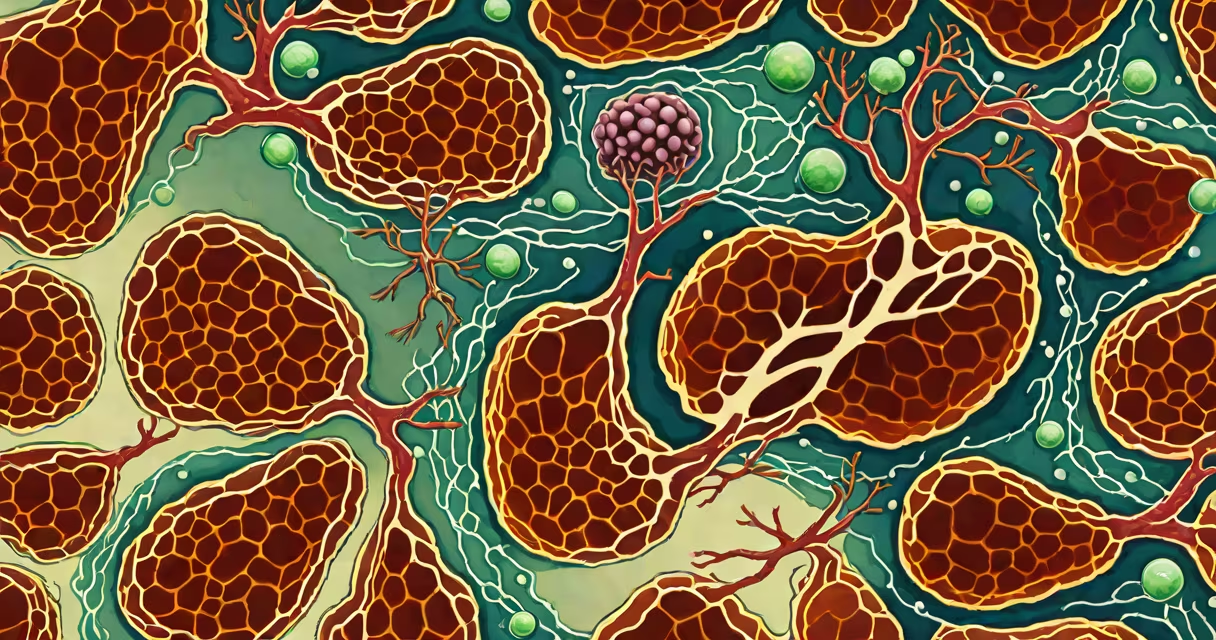
The liver produces bile by filtering blood, extracting bilirubin from old red blood cells, and converting cholesterol into bile acids. This fluid then flows into the biliary system for storage and release during digestion.
Bile is synthesized continuously by hepatocytes-the primary functional cells in the liver. These cells extract waste products like bilirubin, a breakdown product of hemoglobin, and conjugate it with glucuronic acid to form water-soluble bilirubin diglucuronide. This compound is excreted into bile canaliculi-tiny channels between adjacent hepatocytes-and eventually transported to the gallbladder via the common hepatic duct.
Cholesterol is another key ingredient. The liver converts about 500 mg of cholesterol daily into bile acids such as cholic and chenodeoxycholic acid. These bile acids act as detergents, emulsifying dietary fats in the small intestine to enable absorption. Without bile, fat-soluble vitamins (A, D, E, K) cannot be absorbed efficiently.
Bile consists of four major components: bile salts, phospholipids (primarily lecithin), cholesterol, and bilirubin. Bile salts are the most critical for fat digestion. They reduce surface tension between fat droplets and water, allowing enzymes like pancreatic lipase to access triglycerides.
Phospholipids stabilize bile salt micelles, preventing precipitation of cholesterol. Excess cholesterol in bile can lead to gallstone formation-a condition affecting 10-15% of adults in the U.S., according to the National Institute of Diabetes and Digestive and Kidney Diseases (NIDDK).
| Component | Source | Function |
|---|---|---|
| Bile salts | Cholesterol conversion in hepatocytes | Emulsify fats; aid fat-soluble vitamin absorption |
| Phospholipids | Hepatocyte membrane synthesis | Stabilize micelles; prevent cholesterol crystallization |
| Cholesterol | Dietary intake and recycling; ~500 mg/day converted | Raw material for bile acid synthesis |
| Bilirubin | Breakdown of heme from aged red blood cells | Waste product excreted in bile; contributes to stool color |
When bilirubin levels rise due to liver dysfunction or hemolysis, jaundice occurs-yellowing of skin and eyes. The liver normally processes 250-300 mg of bilirubin daily. Impaired conjugation leads to unconjugated hyperbilirubinemia, seen in conditions like Gilbert's syndrome.
Bile travels from the liver through the left and right hepatic ducts, joining to form the common hepatic duct. It enters the gallbladder via the cystic duct for concentration and storage. Over 24 hours, the gallbladder absorbs water and electrolytes, concentrating bile up to fivefold.
After a meal rich in fats, the hormone cholecystokinin (CCK) triggers gallbladder contraction. This releases concentrated bile into the duodenum through the common bile duct. Without this release, fat digestion fails-leading to steatorrhea (fatty stools), weight loss, and deficiencies in fat-soluble vitamins.
A 2020 study published in Gastroenterology found that patients with chronic cholestasis (impaired bile flow) had reduced bile acid pool size and altered gut microbiota composition. This demonstrates bile's role beyond digestion-it influences intestinal immunity and microbial balance.
Bile is not produced by the gallbladder. The gallbladder only stores and concentrates bile. The liver generates all bile components. Confusing this leads to incorrect assumptions about gallbladder function in metabolic health.
Another myth is that bile is "toxic" or "dirty." While bile contains waste products like bilirubin, it is essential for nutrient absorption and detoxification. Healthy bile prevents accumulation of toxic substances in the bloodstream.
Some believe fasting increases bile production. In reality, bile secretion slows during fasting. The liver still produces bile, but the gallbladder contracts less frequently. Bile flow remains steady but unstimulated until food arrives.
A 62-year-old man presents with yellow skin, dark urine, and pale stools. Blood tests show elevated direct bilirubin (1.8 mg/dL) and alkaline phosphatase (220 U/L). An ultrasound reveals a 1.5 cm stone blocking the common bile duct.
The obstruction prevents bile from reaching the intestine. Bilirubin backs up into the blood, causing jaundice. Stool lacks stercobilin-the breakdown product of bilirubin-resulting in clay-colored feces. The patient undergoes endoscopic retrograde cholangiopancreatography (ERCP) to remove the stone. After clearance, bilirubin normalizes within 48 hours.
This case illustrates how bile production continues even when flow is blocked. The liver keeps making bile, but without excretion, it causes clinical symptoms. It underscores that bile synthesis is independent of downstream transit.
In my experience reviewing histopathology slides during medical training, I observed bile canaliculi dilated in a patient with drug-induced cholestasis. The hepatocytes showed intracellular bile pigment accumulation-visible as golden-brown granules under light microscopy. This confirmed impaired bile export despite intact synthesis.
Such findings emphasize that bile production and secretion are separate processes. A liver can produce bile but fail to secrete it-leading to cholestatic injury and potential liver failure if unresolved.
Bile acid synthesis occurs primarily in the liver's periportal zone. Enzymes like CYP7A1 initiate the conversion of cholesterol to bile acids. This pathway is regulated by feedback inhibition-high bile acid levels suppress CYP7A1 activity via FXR (farnesoid X receptor) signaling.
Recent research shows bile acids also act as hormones. They bind to nuclear receptors like FXR and TGR5, influencing glucose metabolism, insulin sensitivity, and energy expenditure. A 2021 study in Nature Metabolism linked increased bile acid circulation to improved insulin response in obese individuals.
For those seeking to support liver function, focusing on diet and lifestyle matters. High-fat diets increase bile acid demand. Fiber-rich foods promote enterohepatic recirculation-where bile acids return to the liver via portal blood. This conserves bile acid pools and reduces workload on hepatocytes.