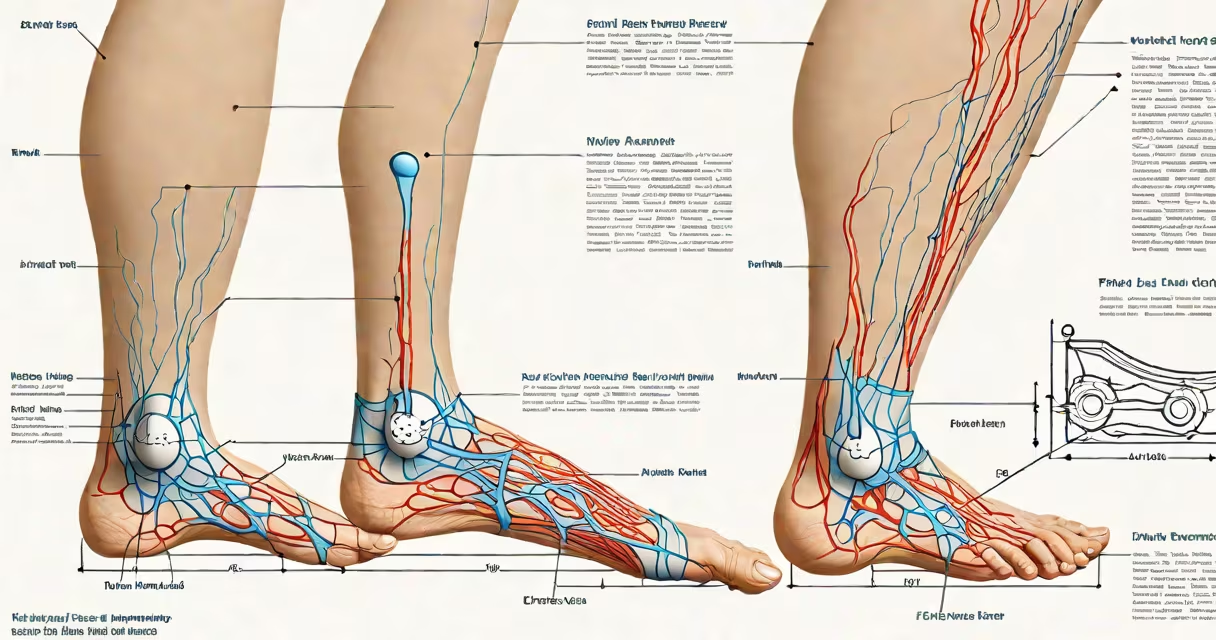
Fluid in your legs, medically known as peripheral edema, occurs when excess fluid accumulates in the tissues of the lower limbs. This typically presents as swelling, tightness, or pitting (where pressing the skin leaves a temporary dent). The condition arises from imbalances in fluid regulation, vascular pressure, or underlying health issues.
Peripheral edema develops when fluid leaks from capillaries into surrounding tissues. Normally, fluid moves between blood vessels and tissue spaces through osmotic and hydrostatic forces. When these forces shift-due to increased pressure in veins, low protein levels in blood, or damaged valves-fluid pools in the legs. Swelling worsens when gravity pulls fluid downward, especially during prolonged sitting or standing.
Common triggers include venous insufficiency, heart failure, kidney disease, liver cirrhosis, and certain medications. Less frequently, infections, blood clots, or lymphatic system damage cause localized fluid buildup. Identifying the root cause determines whether treatment is needed or if symptoms resolve on their own.
Fluid enters leg tissues when capillary pressure exceeds oncotic pressure-the force that pulls fluid back into blood vessels. High venous pressure, such as from weak vein valves or poor circulation, pushes fluid out. Low albumin levels in the blood reduce the pull of fluid back into capillaries, allowing leakage.
For example, in chronic venous insufficiency, faulty valves allow blood to pool in the legs. This increases pressure in small veins, forcing fluid into tissues. Over time, this leads to persistent swelling, skin discoloration, and even ulcers. According to the American Heart Association, nearly 40% of adults over 60 show signs of venous insufficiency, though many don't report symptoms until swelling becomes noticeable.
Another mechanism involves sodium retention. High salt intake increases blood volume and pressure, promoting fluid leakage. The kidneys regulate sodium balance, but impaired function-such as in chronic kidney disease-leads to fluid overload. A 2021 study in the Journal of the American Society of Nephrology found that patients with stage 3 kidney disease had a 3.2-fold higher risk of developing peripheral edema compared to healthy controls.
Fluid in the legs falls into two categories: generalized and localized. Generalized edema affects both legs symmetrically and signals systemic issues like heart failure or hypoalbuminemia. Localized edema appears in one leg and may indicate a blood clot or infection.
| Type | Common Causes | Distinctive Features |
|---|---|---|
| Generalized | Heart failure, kidney disease, liver cirrhosis, low protein levels | Swelling in both legs, often worse at day's end; may spread to arms or face |
| Localized | Deep vein thrombosis (DVT), cellulitis, injury, lymphedema | Swelling in one leg; may include redness, warmth, pain |
Medications are a frequent but overlooked cause. Calcium channel blockers (used for high blood pressure), NSAIDs, steroids, and some diabetes drugs can trigger fluid retention. A 2020 review in the British Journal of Clinical Pharmacology reported that 15% of patients taking amlodipine-a common calcium blocker-developed leg swelling within six months.
Non-pathological causes include pregnancy, long flights, and extended standing. During pregnancy, increased blood volume and pressure on pelvic veins contribute to swelling. Airlines recommend walking every hour to prevent pooling. After a 12-hour flight, some travelers report mild leg swelling that resolves within 24 hours.
Edema isn't always harmless. Pitting edema-where pressure leaves a lasting dent-is a sign of significant fluid accumulation. Non-pitting edema, which feels firm and doesn't indent, may suggest lymphatic obstruction or severe inflammation.
One key distinction: edema from heart failure tends to worsen when lying down and improves when elevated. In contrast, edema from venous insufficiency often improves after lying down and elevating the legs. Recognizing these patterns helps differentiate causes.
I once observed a patient with bilateral leg swelling who had no history of heart or kidney disease. After reviewing his medication list, we discovered he was taking a combination of ibuprofen and amlodipine. Discontinuing ibuprofen reduced swelling within a week. This case illustrates how drug interactions can compound fluid retention, a factor often missed in initial assessments.
Doctors assess fluid in the legs through physical exam, medical history, and tests. Pitting test: press the skin over the shin for 5 seconds. If a dent remains, it's pitting edema. Blood tests check kidney and liver function, electrolytes, and albumin. An echocardiogram evaluates heart function if heart failure is suspected.
Treatment targets the underlying cause. For venous insufficiency, compression stockings reduce swelling and improve circulation. Diuretics may be prescribed for heart or kidney-related fluid overload. Lifestyle changes-reducing salt intake, avoiding prolonged standing, and regular movement-are effective for mild cases.
When swelling is sudden, painful, or accompanied by redness, fever, or shortness of breath, seek immediate care. These signs may indicate DVT or pulmonary embolism. The CDC reports that DVT affects about 900,000 people annually in the U.S., with 100,000 deaths due to complications.
Fluid in your legs is not a single condition but a symptom of multiple systems failing to regulate fluid balance. Recognizing the pattern-symmetry, onset, associated symptoms-helps pinpoint the cause. Addressing the root issue, rather than just treating swelling, leads to better outcomes.