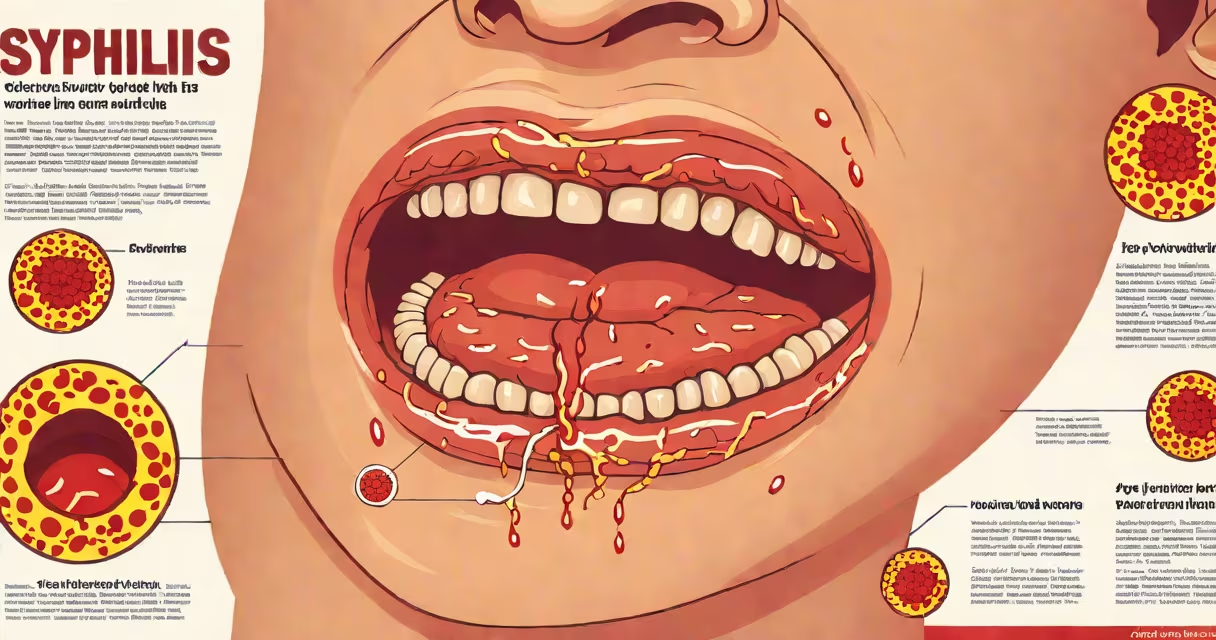
Syphilis spreads through direct contact with a syphilitic sore, typically during unprotected vaginal, anal, or oral sex. The bacterium Treponema pallidum enters the body through mucous membranes or broken skin. Transmission requires close physical contact with an active lesion.
The primary mode of transmission is sexual contact. A person with a syphilis sore on the genitals, anus, mouth, or lips can pass the infection to a partner during intercourse. The risk increases without barrier protection such as condoms or dental dams. Syphilis cannot be spread through casual contact like sharing food, kissing on the cheek, or using the same toilet seat.
Transmission can also occur from mother to unborn child during pregnancy. This is known as congenital syphilis. The bacterium crosses the placenta and may cause severe complications, including stillbirth or developmental delays. Without treatment, about 40% of pregnancies affected by untreated syphilis result in adverse outcomes, according to the Centers for Disease Control and Prevention (CDC).
Treponema pallidum thrives in warm, moist environments. Once introduced through a sore, it travels via the bloodstream and lymphatic system. The incubation period averages 10 to 90 days, with most cases appearing around 21 days after exposure. During this time, the infected person may show no symptoms but remains contagious.
Initial signs include a painless sore called a chancre at the site of entry-on the penis, vulva, anus, or inside the mouth. The sore heals on its own within weeks, which often leads people to believe they're no longer infectious. But the bacteria remain in the body and progress to secondary and tertiary stages if untreated.
In secondary syphilis, a rash appears on the palms and soles, often accompanied by fever, swollen lymph nodes, and fatigue. These symptoms can come and go for years. Tertiary syphilis affects the brain, heart, and bones, leading to neurological damage, blindness, or death. Early diagnosis and treatment with penicillin prevent progression.
Transmission occurs only through direct contact with an active lesion. The following scenarios carry risk:
| Contact Type | Risk Level | Notes |
|---|---|---|
| Vaginal sex | High | Lesions on genitalia transfer bacteria easily. |
| Anal sex | High | Rectal sores pose high transmission risk. |
| Oral sex | Medium-High | Mouth sores can spread infection; less common than genital routes. |
| Touching sores | Low-Medium | Hand-to-genital contact without gloves carries low but real risk. |
| Blood transfusion | Negligible | Screening eliminates risk in modern blood banks. |
Non-sexual contact, such as sharing razors or toothbrushes, is not a significant route. The bacterium dies quickly outside the body and cannot survive on dry surfaces. It does not live in water or on objects like doorknobs.
Many assume syphilis only affects people with multiple partners or those in high-risk groups. This is false. The CDC reports that syphilis rates rose 76% among men who have sex with men and 55% among heterosexuals between 2015 and 2022. Anyone with an active sore and unprotected contact is at risk.
Another myth is that syphilis can be caught from public bathrooms or swimming pools. The bacterium cannot survive in chlorinated water or on dry surfaces. It requires living tissue to thrive. There are no documented cases of syphilis spreading through shared showers or toilets.
A key misunderstanding is that healing sores mean the infection is gone. A chancre may disappear within 3-6 weeks, but the disease progresses silently. Without testing, individuals may unknowingly transmit the infection during this window. The CDC recommends screening for syphilis at least once a year for sexually active adults, especially those with new or multiple partners.
In 2021, a 28-year-old man presented to a clinic with a painless ulcer on his penis. He reported having unprotected sex with two partners in the past month. The sore had healed within two weeks, so he assumed he was fine. Blood tests confirmed positive syphilis antibodies. He was treated with a single intramuscular injection of penicillin G benzathine.
Follow-up testing showed a fourfold drop in antibody levels within six months. His partners were notified and tested. Two were diagnosed with early syphilis and treated. One had no symptoms but tested positive, highlighting the asymptomatic nature of early infection.
This case illustrates how easy transmission is even when symptoms resolve. It also shows the importance of partner notification and routine screening. The CDC estimates that nearly half of all syphilis cases in the U.S. go undiagnosed due to lack of symptoms.
If you've had contact with someone who has a visible sore and you're unsure of your status, get tested within 10 days of exposure. Testing involves a blood sample to detect antibodies. Rapid tests are available in clinics and take under 30 minutes.
Early treatment with penicillin is effective. For people allergic to penicillin, alternative antibiotics exist but require careful monitoring. Treatment stops further spread and prevents long-term damage. Re-testing after treatment confirms cure.
I once observed a community health outreach team in San Francisco offer free syphilis screening at a music festival. Over three days, they tested 120 attendees. Five tested positive-four had no symptoms. All received immediate care. This demonstrates how widespread and silent syphilis can be, even in young, healthy populations.
Understanding how syphilis spreads is essential for prevention. The infection moves through direct contact with sores, not through air, water, or touch. Using barriers like condoms reduces risk but doesn't eliminate it entirely-sores can appear in areas not covered by protection.
Regular testing, open communication with partners, and prompt treatment are critical. Knowing how syphilis spreads empowers people to protect themselves and others. Early detection saves lives.