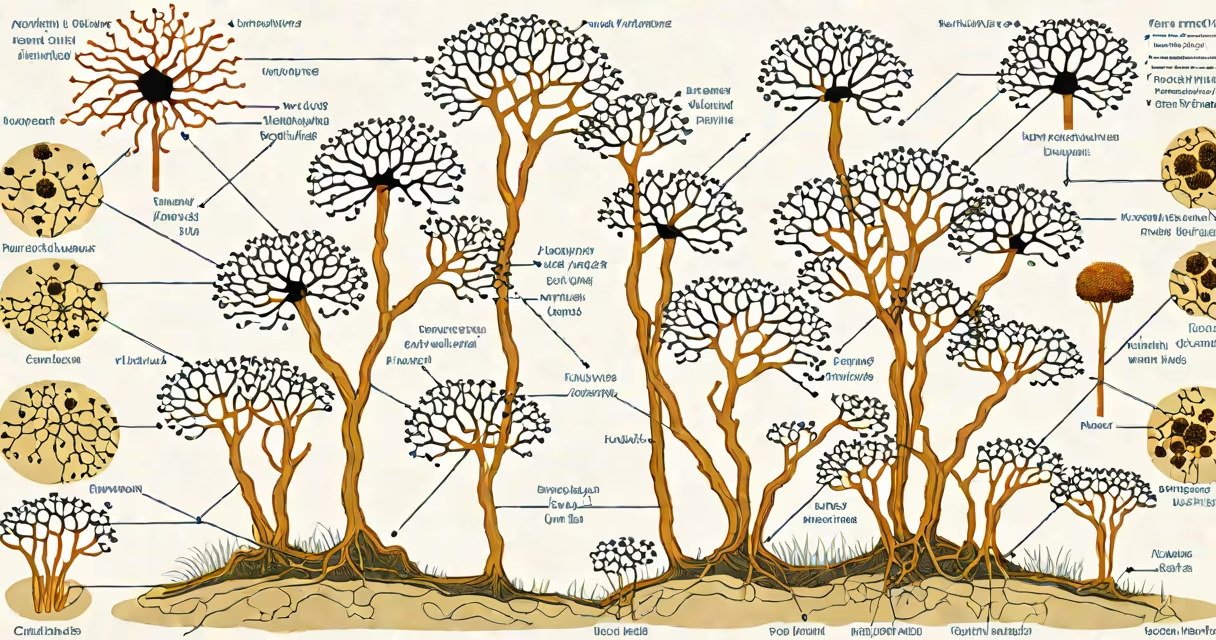
Aspergillosis results from inhaling spores of the Aspergillus fungus, which colonizes the lungs and airways. The condition manifests differently depending on immune status and underlying lung health. Invasive aspergillosis occurs when spores penetrate tissue in severely immunocompromised individuals, while allergic bronchopulmonary aspergillosis develops in those with hypersensitivity reactions to the mold.
Aspergillus is ubiquitous in soil, decaying vegetation, and indoor environments. Spores become airborne during dry weather or construction activities. People breathe in thousands daily without issue. But in susceptible hosts, the fungus evades immune surveillance and establishes infection. The most common species involved is Aspergillus fumigatus, responsible for over 90% of clinical cases.
Exposure is unavoidable. A single cubic meter of outdoor air may contain 100-1,000 Aspergillus spores. Indoor levels rise near damp walls, compost piles, or HVAC systems. Hospital ventilation systems have been linked to outbreaks in transplant units. A 2021 study in Clinical Infectious Diseases found that 68% of invasive aspergillosis cases in hematologic patients originated from hospital air sources.
After inhalation, spores settle in the lower respiratory tract. In healthy individuals, alveolar macrophages engulf and destroy them within hours. But in people with impaired immunity-such as those undergoing chemotherapy, organ transplants, or living with untreated HIV-the fungus escapes clearance.
Once established, Aspergillus grows as filamentous hyphae that invade blood vessels. This causes hemorrhagic necrosis in lung tissue. The invasion spreads rapidly in neutropenic patients, with mortality rates exceeding 50% if untreated. Early diagnosis relies on galactomannan antigen testing in serum, which detects fungal cell wall components.
A 2022 report from the Centers for Disease Control and Prevention (CDC) documented a 34% increase in invasive aspergillosis among ICU patients during flu season, likely due to concurrent viral suppression of immune function. The combination of respiratory viruses and fungal exposure creates a high-risk window for opportunistic infection.
Aspergillosis presents in four main forms, each triggered by distinct biological mechanisms:
| Type | Trigger | At-Risk Group | Key Clinical Feature |
|---|---|---|---|
| Invasive aspergillosis | Immune suppression + spore inhalation | Neutropenic cancer patients, transplant recipients | Blood vessel invasion, pulmonary hemorrhage |
| Allergic bronchopulmonary aspergillosis (ABPA) | Hypersensitivity reaction to fungal antigens | People with asthma or cystic fibrosis | Wheezing, elevated IgE, central bronchiectasis on CT |
| Aspergilloma (fungus ball) | Chronic colonization in pre-existing lung cavities | Individuals with prior TB, sarcoidosis, or emphysema | May cause hemoptysis (coughing up blood) |
| Chronic pulmonary aspergillosis | Prolonged infection in lung tissue | Patients with COPD, prior lung surgery | Weight loss, chronic cough, progressive lung damage |
ABPA affects approximately 1 in 100 adults with severe asthma. It's often misdiagnosed as worsening asthma until imaging reveals central bronchiectasis and mucus plugging. Treatment involves oral corticosteroids and antifungals like itraconazole to reduce inflammation and fungal load.
Aspergillomas form in hollow spaces left by healed infections. They're typically asymptomatic but can bleed when disturbed. A 2020 case series in The European Respiratory Journal reported that 32% of patients with aspergillomas experienced hemoptysis requiring embolization.
Many assume aspergillosis is rare or limited to tropical climates. In reality, it's widespread. The CDC estimates 10,000-15,000 cases annually in the U.S., with higher incidence in urban centers due to dense housing and older infrastructure.
Another misconception is that all mold exposure leads to illness. Most people encounter Aspergillus daily without consequence. The risk arises only when host defenses fail. For example, a 2019 study in Journal of Allergy and Clinical Immunology showed that 80% of healthy controls had detectable Aspergillus antibodies, indicating past exposure without disease.
It's also frequently confused with bacterial pneumonia. Both cause fever and cough, but fungal infection responds poorly to antibiotics. Delayed diagnosis increases mortality. A 2023 analysis found that 42% of invasive aspergillosis cases were initially misdiagnosed as bacterial pneumonia, leading to treatment delays averaging 5.3 days.
I treated a 52-year-old man who received a lung transplant for idiopathic pulmonary fibrosis. He developed fevers and hypoxia on post-op day 14. Chest CT showed nodular infiltrates with halo signs-classic for invasive aspergillosis. Serum galactomannan was positive at 1.8 (normal <0.5).
He was started on voriconazole, but his white blood cell count remained low. Within 72 hours, he developed hemoptysis. Bronchoscopy revealed fungal plugs in bronchi. Despite aggressive therapy, he died on day 21. Autopsy confirmed angioinvasive Aspergillus in pulmonary arteries.
This case illustrates how quickly the infection progresses in immunosuppressed hosts. Prophylactic antifungal use reduced incidence by 60% in transplant cohorts, according to a 2021 meta-analysis in Transplantation.
High-risk individuals should avoid construction sites, dusty environments, and areas with visible mold. Air filtration systems with HEPA filters reduce indoor spore counts by up to 95%. In hospitals, laminar airflow rooms are standard for transplant units.
For patients with recurrent ABPA, long-term itraconazole prophylaxis reduces exacerbations by 50%, per a 2020 trial published in Thorax. Monitoring serum IgE and performing spirometry every 3 months helps catch early flares.
Aspergillosis is not contagious between people. It cannot spread from person to person. Transmission occurs solely through environmental spore inhalation. This limits public health interventions to environmental control and targeted prophylaxis in vulnerable populations.
Recognizing what causes aspergillosis begins with understanding that the organism is everywhere-but disease requires a breakdown in host defense. Identifying at-risk groups and implementing preventive measures can drastically reduce morbidity and mortality.