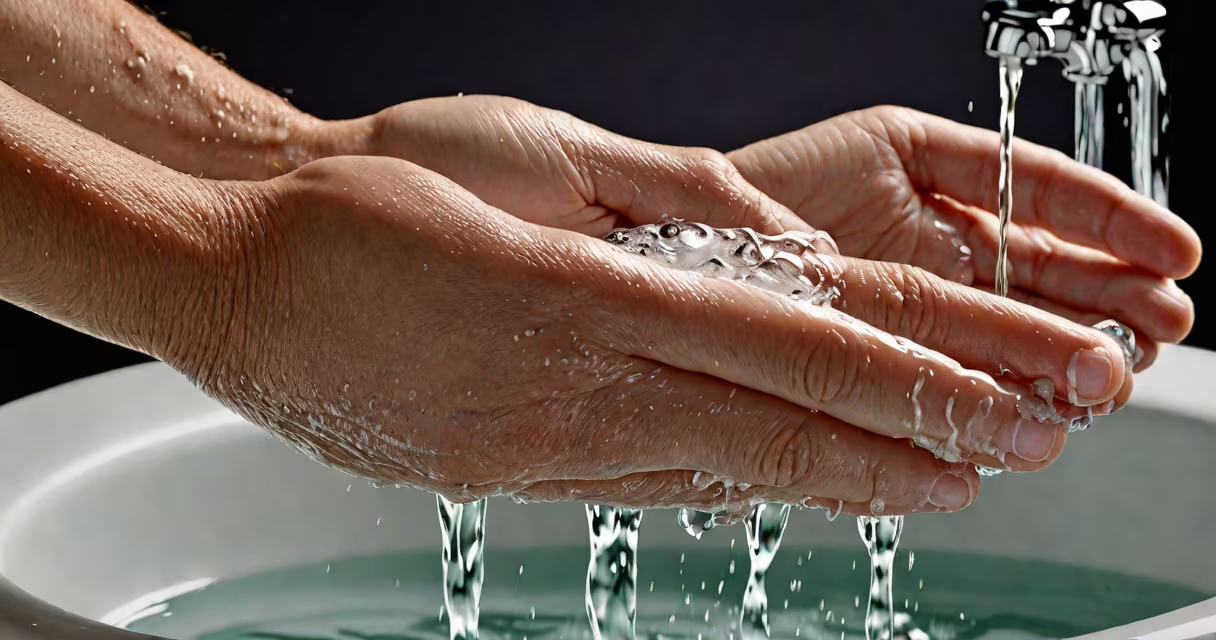
How to not catch a stomach bug means consistently practicing hand hygiene, avoiding contact with infected individuals, and disinfecting high-touch surfaces. This prevents exposure to viruses like norovirus and rotavirus, which cause acute gastrointestinal symptoms including vomiting and diarrhea.
Stomach bugs are caused by viruses, most commonly norovirus and rotavirus. These pathogens spread through contaminated food, water, or surfaces touched by an infected person. They survive on surfaces for days and can enter your body via the mouth after touching a contaminated object then touching your face.
The Centers for Disease Control and Prevention (CDC) confirms that handwashing with soap and water reduces the risk of respiratory and gastrointestinal infections by up to 40%. The Mayo Clinic adds that alcohol-based hand sanitizers (60% alcohol or higher) are effective against many germs, though they don't eliminate all viruses like norovirus.
Hand hygiene is the single most effective step. Wash hands with soap and water for at least 20 seconds after using the bathroom, changing diapers, handling raw food, or returning from public spaces. Scrub all surfaces: palms, backs of hands, between fingers, under nails, and around thumbs.
Disinfect frequently touched surfaces daily during outbreaks. Use bleach-based cleaners or EPA-approved disinfectants. Focus on doorknobs, light switches, remote controls, and kitchen counters. Norovirus resists many common cleaners-only chlorine-based solutions reliably kill it.
Avoid close contact with people who have symptoms. Stay home if you're sick. The virus spreads easily in crowded environments like schools, daycare centers, cruise ships, and nursing homes. A person remains contagious for at least 48 hours after symptoms stop.
| Prevention Step | Effectiveness | Best Practice |
|---|---|---|
| Washing hands with soap and water | High | 20 seconds, multiple times daily |
| Using alcohol-based sanitizer (60%+) | Moderate | When soap unavailable; doesn't replace handwashing |
| Disinfecting surfaces with bleach solution | High | Use 1:50 bleach-to-water mix; let sit 10 minutes |
| Staying home when symptomatic | High | Isolate until 48 hours symptom-free |
Many assume that "clean" surfaces are safe. But norovirus particles are invisible and can survive on stainless steel for up to 12 days. A surface wiped with a damp cloth may still harbor infectious material.
Another myth is that antibiotics prevent or treat stomach bugs. Antibiotics target bacteria, not viruses. Taking them unnecessarily increases resistance risk and can worsen symptoms by disrupting gut flora.
Some believe drinking only clear liquids prevents dehydration. While fluids help, oral rehydration solutions (ORS) containing sodium and glucose are proven to reduce hospitalization rates by 50% compared to water alone, according to WHO.
In January 2023, a primary school in Ohio reported 42 cases of vomiting and diarrhea within 48 hours. An investigation by the state health department traced the outbreak to a single student who returned to class two days after symptoms ended. That student had not washed their hands after using the restroom and touched shared utensils.
By the time the school closed, 18 classrooms were affected. The CDC later confirmed norovirus was present in samples taken from cafeteria tables and sinks. The school implemented mandatory handwashing before meals and daily disinfection with a 1:50 bleach solution. No new cases occurred in the following week.
If you've been near someone with a stomach bug, wash your hands immediately. Avoid touching your face. Change clothes worn during contact. Monitor for symptoms for 48 hours.
Do not share drinks, utensils, or food. If you're caring for someone ill, wear gloves and dispose of them after use. Clean and sanitize any items they've handled. The CDC recommends laundering soiled clothing in hot water and drying on high heat.
I once managed a small office team during a winter norovirus wave. Two employees fell ill within 24 hours. We required everyone to wash hands upon arrival, placed hand sanitizer stations at entrances, and disinfected shared equipment twice daily. No further cases developed over the next 72 hours.
Seek medical attention if you experience bloody stool, persistent fever above 101.3°F, signs of severe dehydration (dry mouth, dizziness, reduced urination), or symptoms lasting longer than 3 days. Children and older adults are at higher risk for complications.
Following these steps reduces your chance of catching a stomach bug. Consistent hygiene, environmental cleaning, and isolation during illness are the foundation of protection. How to not catch a stomach bug isn't about luck-it's about predictable, repeatable actions backed by science.